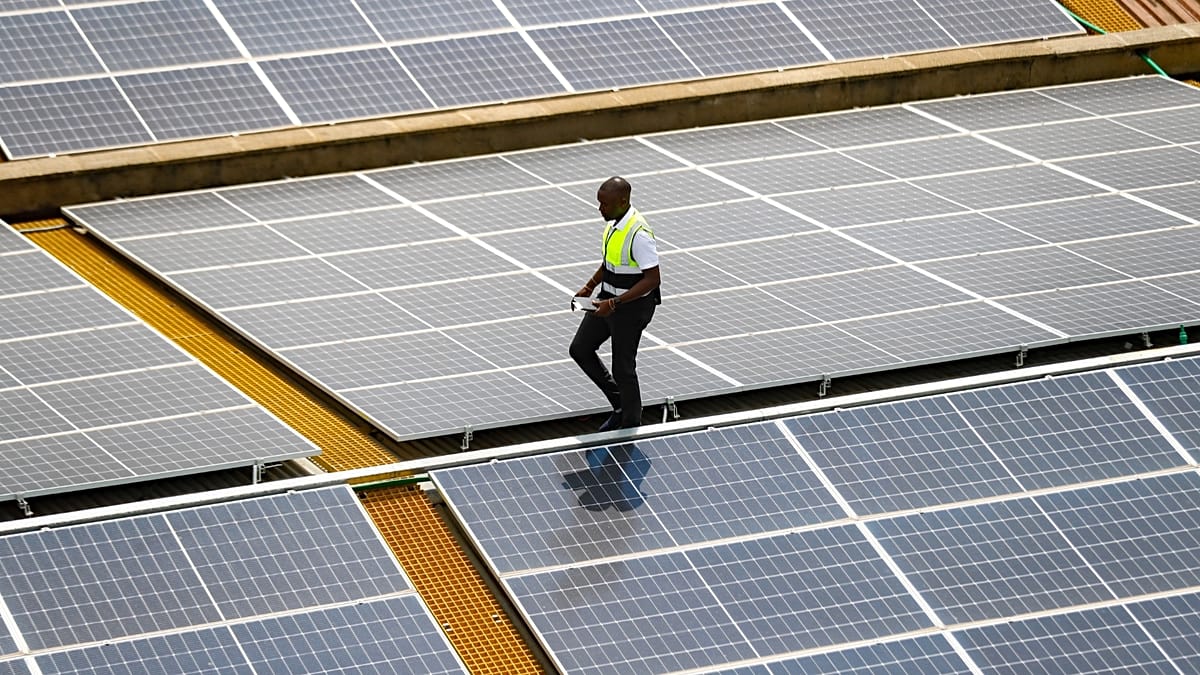
Solar power has shielded Europe from the soaring costs of fossil fuel imports since the onset of the Iran conflict, according to a new analysis by SolarPower Europe. Between 1 March and 15 July, solar installations across the continent saved an estimated €20 billion by reducing demand for natural gas imports. This translates to average daily savings of €146 million—more than France's daily defence spending.
The war on Iran has kept oil and gas prices volatile, with Brent crude trading at $85 per barrel on 15 July, up €10.47 from pre-conflict levels on 27 February. The benchmark Dutch TTF natural gas price has also surged by around €20 per MWh. The Strait of Hormuz, a critical passage for about one-fifth of global oil supplies, remains under Iranian pressure, exacerbating price swings.
Solar as a Route to Energy Security
“Every megawatt-hour generated by solar power reduces our dependence on imported fossil fuels and makes Europe safer,” said Walburga Hemetsberger, CEO of SolarPower Europe. “This news follows solar becoming the EU’s largest single source of electricity in June, supplying 25% of the bloc’s power. It's a demonstration of the returns on Europe's investment in abundant, homegrown renewable energy resources. We can go further and faster.”
Hemetsberger emphasised that electrification, expanded renewable generation, and non-fossil flexibility solutions like battery storage are essential to shield Europe from future fossil fuel price shocks. These measures, she argued, represent the “route to long-term energy security.”
The findings align with broader trends: in 2025, wind and solar generated more EU electricity than fossil fuels for the first time, accounting for a record 30% of the bloc's power, according to energy think tank Ember. This milestone underscores the accelerating transition away from coal and gas.
Spain Leads the Renewables Race
Spain has emerged as a standout performer, having doubled its wind and solar capacity since 2019 by adding over 40 GW. To put that in perspective, 1 GW can power approximately 876,000 households for a year. Ember reported last year that Spain’s wind and solar growth reduced the influence of expensive fossil generators on electricity prices by 75% since 2019. “This decline in the hours where the electricity price was tied to gas power cost was faster than in other gas-reliant countries, such as Italy and Germany,” the report noted.
In European power markets, the most expensive generator—typically fossil fuels—sets the hourly wholesale electricity price. As low-cost solar and wind displace gas and coal, fossil fuels determine prices less often. This dynamic has been particularly beneficial for Spain, where solar capacity has surged, though it has also led to occasional negative prices, as explored in our analysis of Spain's solar boom.
Other countries are also making strides. Austria led the EU in 2024 with 90% green electricity use, driven by its 16 hydroelectric plants. Sweden followed at 88%, powered mainly by wind and water, while Denmark ranked third with 80% renewable energy. The UK, though no longer an EU member, set a new wind generation record on 26 March, hitting 23,880 MW—enough to power 23 million homes. RenewableUK’s Tara Singh noted that during this period, “low-cost wind and solar squeezed expensive gas off our energy system, with gas falling to its lowest level of generation for nearly two years, providing just 2.3% of our electricity.”
Innovations like Agri-PV in Bavaria, where solar panels are installed above hop gardens, demonstrate how solar can be integrated into existing land use. Meanwhile, the EU’s broader energy strategy includes joint borrowing plans, such as Spain’s proposed €850 billion debt initiative, which ECB President Christine Lagarde has endorsed (see ECB's Lagarde endorses Spain's joint borrowing plan).
The savings from solar are not just financial; they also enhance Europe’s energy independence. As Hemetsberger concluded, “We can go further and faster.” With solar now a cornerstone of the EU’s electricity mix, the continent is better positioned to withstand geopolitical shocks and volatile fossil fuel markets.