As Europe braces for a potentially harsh winter, the question of whether heat pumps can cope with freezing temperatures has moved to the forefront of the energy debate. With gas prices still volatile, the technology is seen as a key tool in the continent's push to decarbonise heating.
According to the European Heat Pump Association (EHPA), there are now roughly 30 million residential heat pumps installed across the EU, with about three million added in 2025. That sounds impressive, but it falls a million short of the European Commission's four-million annual target. The gap highlights the difficulty of accelerating the transition in a region with diverse housing stocks and varying levels of public awareness.
How heat pumps work
Heat pumps operate on a simple principle: they capture thermal energy from the air, ground, or water and convert it into usable heat, rather than burning fuel on site. The process is often compared to a refrigerator running in reverse. A liquid refrigerant absorbs ambient heat, evaporates, and is then compressed into a hot gas that can reach temperatures of up to 65°C, which is then used to warm radiators and water tanks.
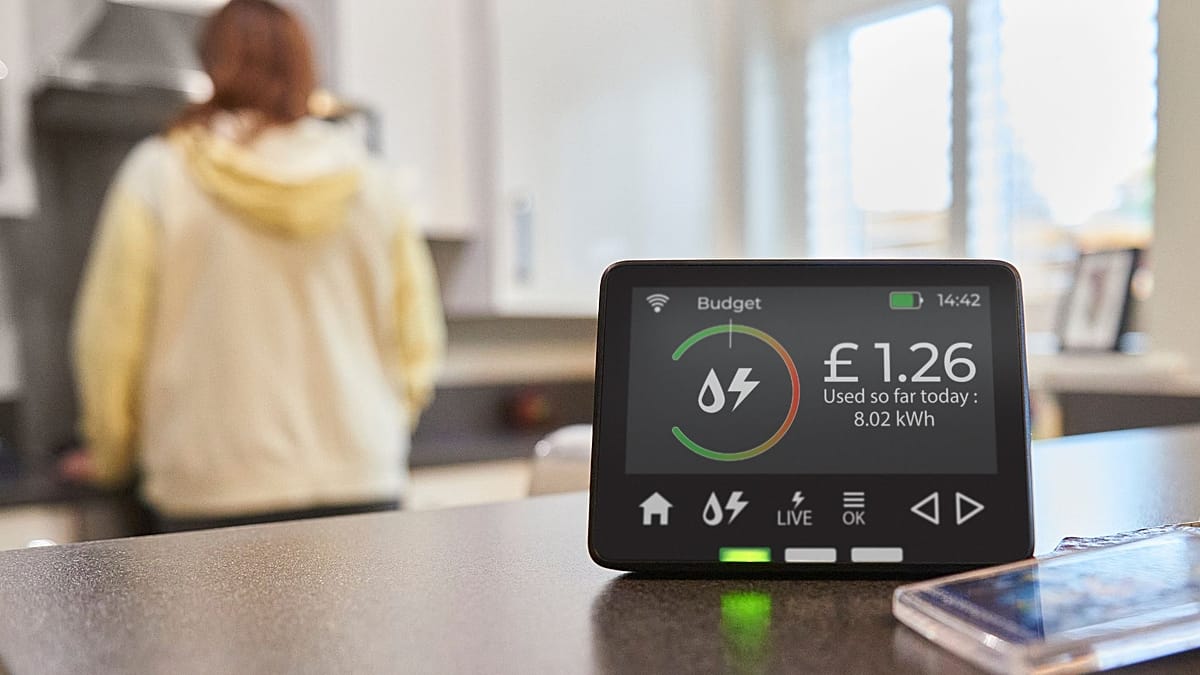
For every kilowatt-hour of electricity consumed, a typical heat pump delivers three to four kilowatt-hours of heat. That efficiency translates into lower running costs—around €2.20 per day in winter—and significantly reduced carbon emissions.
Cold weather performance
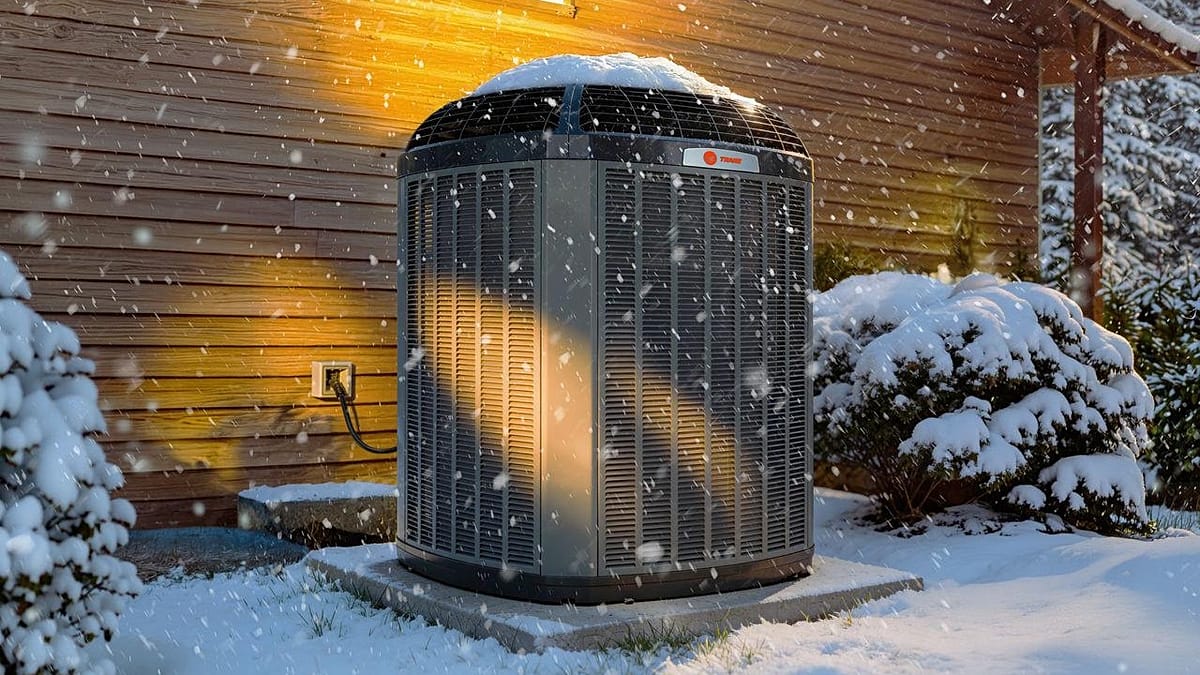
One of the most persistent myths is that heat pumps fail in freezing conditions. In reality, modern units are designed to operate even at -20°C. As UK energy firm Octopus Energy explains, the key lies in the refrigerant's low boiling point. “Even when it feels cold outside to you and me, the air temperature is still hot enough to boil the refrigerant,” the company notes. The resulting vapour is then compressed, raising its temperature dramatically, before it releases heat into the home.
While lower temperatures do force the pump to work harder, experts say it still outperforms a traditional gas boiler by a factor of three in efficiency during cold snaps. This is why Norway, Finland, and Sweden—among Europe's coldest countries—have the highest adoption rates, with more than half of households already using heat pumps. In contrast, warmer nations like Spain and Portugal lag behind, despite the technology's benefits in cooling as well as heating.
Old buildings and retrofits
Another common concern is that heat pumps are only suitable for new builds. A previous report suggested that 54% of British homes would be impractical candidates due to poor insulation and space constraints. However, the Fraunhofer Society, Europe's largest applied research organisation, disputes this. A 2019 study analysed buildings aged 15 to 150 years that had undergone partial or full energy refurbishment, including heat pump installation. The results showed that heat pumps outperformed gas boilers even in century-old structures, provided the building envelope was upgraded to a reasonable standard.
That said, upfront costs remain a significant barrier. As our recent analysis shows, the initial investment can be double that of a gas boiler, and many households are deterred despite long-term savings. Policymakers are being urged to introduce incentives and simplify permitting processes to close the installation gap.
The stakes are high. EHPA estimates that if heat pumps were installed in every building and compatible industrial process, powered by renewables like solar and wind, Europe could avoid around 600 million tonnes of CO2 annually—more than Germany's total yearly emissions. That would be a major step toward meeting the bloc's climate targets.
As the continent faces a colder winter due to a shifting polar vortex, the reliability of heat pumps becomes even more critical. Early forecasts suggest that regions accustomed to milder winters may see deeper freezes, putting additional strain on heating systems. Heat pumps, with their proven cold-weather performance, offer a resilient alternative—but only if Europe can accelerate its rollout.
The technology is ready. The question is whether the political will and financial support will follow.