The travel industry is already looking past the current season towards 2027, and Hilton has added its voice with a Trends Report built on a survey of nearly 15,000 travellers across the UK, Germany, Türkiye, the United States, Australia and beyond. The company frames the findings as part of what it calls the great rebalance — a move away from prescribed notions of the perfect holiday towards itineraries shaped by individual priorities.
"We're seeing that travellers are less interested in someone else's definition of perfection and more focused on planning travel on their own terms," said Chris Nassetta, Hilton's president and chief executive. "This year's report reinforces that people are looking for experiences that fit their lives, help them recharge, and create meaning that lasts long after they've returned home."
Micro-travel and the 'ish' mindset
Among the headline trends is what Hilton terms the micro-travel mindset: shorter, more frequent escapes that are easier to plan and slot into daily life. One in four respondents cited work schedules as the reason for choosing shorter breaks, while 29% said they wanted greater spontaneity.
Hilton splits these travellers into two groups. Selectors build a trip around a single anchor — a concert, a match or a restaurant booking — while stackers try to fit in as much as possible. Some 57% of those polled said they enjoy visiting multiple cities in one trip, a pattern that could reshape demand for rail links and short-haul connections across Europe, particularly as trains gain ground on buses for intra-EU journeys.
A related shift is the rise of "ish" — an acceptance that holidays need not be flawless. Travellers describe themselves as healthy-ish, keeping some routines and abandoning others; adventure-ish, with 28% improvising rather than following a fixed itinerary, compared with 18% who prefer a set plan; and solo-ish, with three in ten travelling alone but meeting someone they know on arrival, and 20% joining group excursions with strangers.
Growth getaways and wellness in nature
Another trend is the growth getaway, including so-called skillcations where travellers enrol in language, cooking or art classes. More than a third of respondents — 34% — said they want travel to leave them with a new mindset.
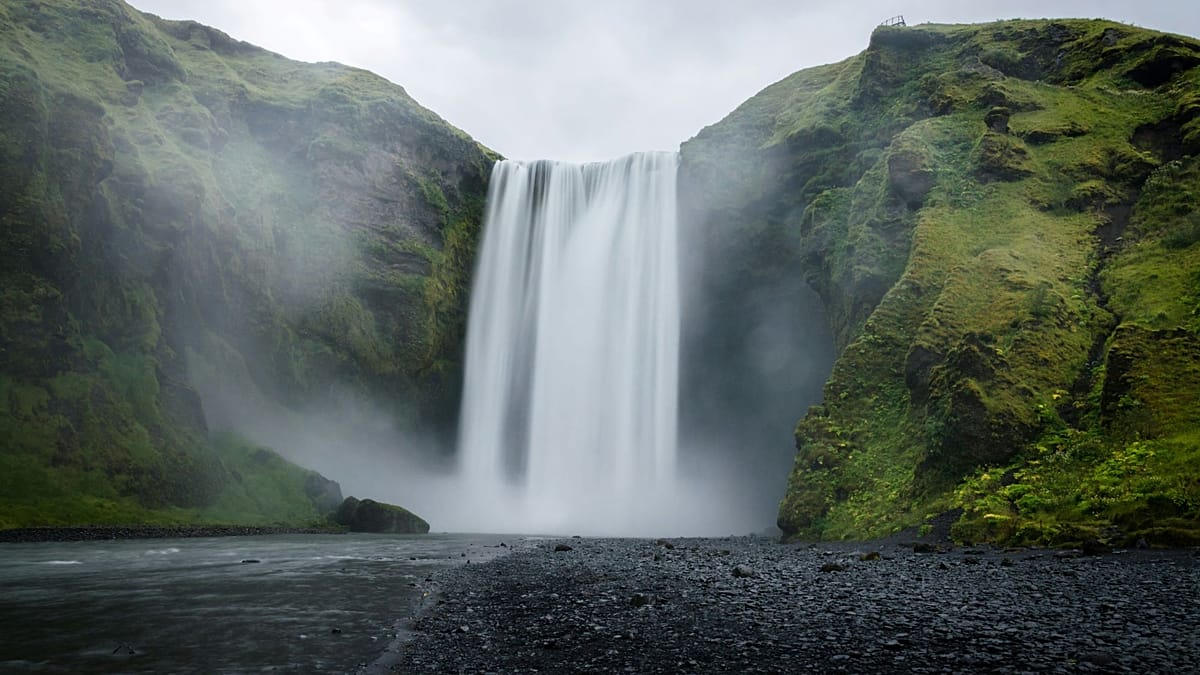
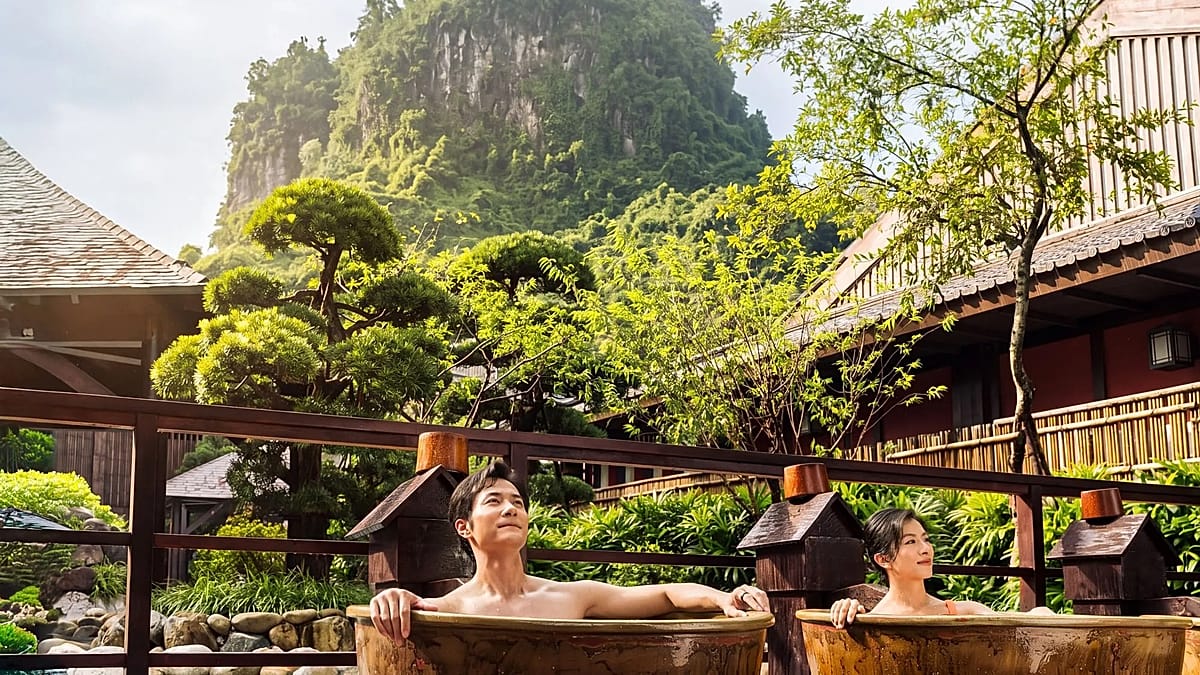
Wellness travel continues to expand, but its centre of gravity is shifting towards the outdoors. Under the heading "wellness, rewired", 79% of those surveyed said fresh air and nature are essential to relaxation, and more than half spend more time immersed in nature while away than at home. That emphasis on the natural world sits alongside growing concern about the sector's environmental footprint, a theme raised by industry figures including the European Travel Commission's warning on climate risk.
AI planning, human trust
The final trend, which Hilton calls the travel trust equation, concerns how bookings are researched. Artificial intelligence is becoming more useful for itinerary planning, yet personal recommendations still carry greater weight. Some 70% of respondents said they trust hotel staff for tips, while 87% turn to family members for advice.
For European destinations, the implications are practical. Cities such as Lisbon, already buoyed by its reputation as a leading destination for wellbeing, and second-tier cities across Germany, Italy and the Nordics may benefit from travellers seeking shorter, more frequent and more flexible breaks. Operators that cater to spontaneous, multi-city itineraries — and that can offer credible nature access — look best placed to capture the shift.
Hilton's findings echo other industry forecasts pointing to fragmentation of the traditional two-week holiday. Whether the "great rebalance" proves durable or simply reflects a moment of economic caution, the direction of travel is clear: less prescription, more personalisation, and a stronger pull towards the outdoors.