A federal jury in Brooklyn has convicted Chinese telecommunications giant Huawei of stealing trade secrets from US companies and of bank fraud, while acquitting it on the more serious charge of racketeering. The verdict, delivered on Tuesday after an 11-week trial at the US District Court for the Eastern District of New York, marks a significant legal setback for the company, though it avoided the harshest label of organized criminal enterprise.
Huawei, which has consistently denied any wrongdoing, issued a statement emphasizing the acquittal on the racketeering charge. The company said the decision "confirms that these allegations lack factual basis and vindicates our consistent position over the past eight years." It added that it believes "the government’s remaining charges are equally without legal or factual merit."
The case dates back to January 2019, when US prosecutors first unveiled charges against Huawei, later expanding them to include allegations of stealing technology from companies such as T-Mobile and of misleading banks about its business in Iran, in violation of US sanctions.
Prosecution and defense narratives
During closing arguments, prosecutor Meredith Arfa painted a picture of a company whose leadership was complicit in criminal behavior. "The tone was set at the top by Huawei leaders and executives who themselves engaged in criminal conduct, like lying to Congress, lying to banks, violating US sanctions and trying to interfere with the very criminal investigation that led to this case," she told the jury, as reported by the Associated Press.
Defense lawyer Brian Heberlig countered that the prosecution relied on "innuendo and facts ripped out of context," as well as testimony from former employees "with a bone to pick." He argued that "Huawei didn’t steal its way to success," noting that much of the material the US alleged was stolen was already publicly available. Heberlig said the company would appeal the convictions.
The verdict is a mixed outcome for both sides. For US prosecutors, it secures convictions on two of the three main charges, validating years of investigation into Huawei’s practices. For Huawei, the acquittal on racketeering—a charge that carries severe penalties and the stigma of organized crime—provides some relief, though the company still faces potential fines and restrictions.
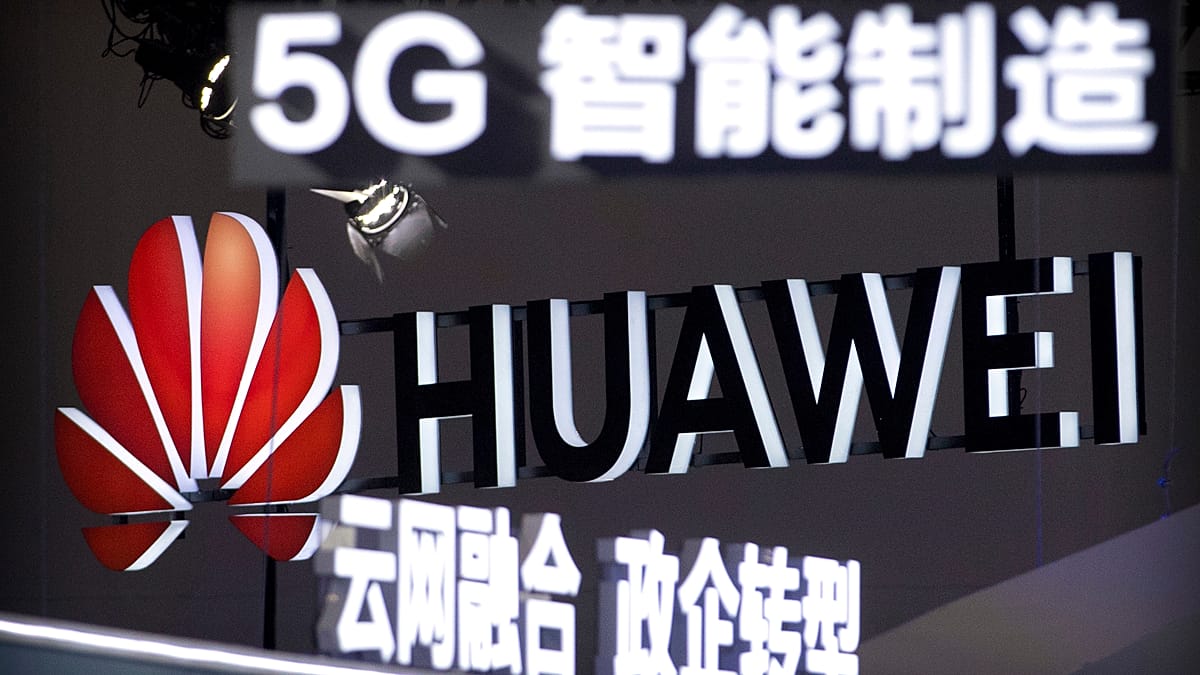
The case has broader implications for global technology supply chains and the ongoing tensions between Washington and Beijing over intellectual property and national security. Huawei remains a major player in telecommunications equipment, particularly in Europe, where several countries have weighed the risks of using its 5G technology. The company has consistently denied any security threats, and this trial’s outcome may influence how European regulators and businesses view the firm.
European observers have watched the case closely, as many EU member states have taken a cautious approach to Huawei’s involvement in their digital infrastructure. The conviction could reinforce concerns among some policymakers, while the racketeering acquittal may be cited by those who argue that the charges were politically motivated.
Huawei’s appeal will likely focus on the admissibility of certain evidence and the conduct of the prosecution. The legal process could take years, and the company continues to operate globally, including in Europe, where it has significant research and development investments.
For now, the verdict stands as a landmark in the US legal battle against Huawei, but the full consequences—both legal and diplomatic—remain to be seen.