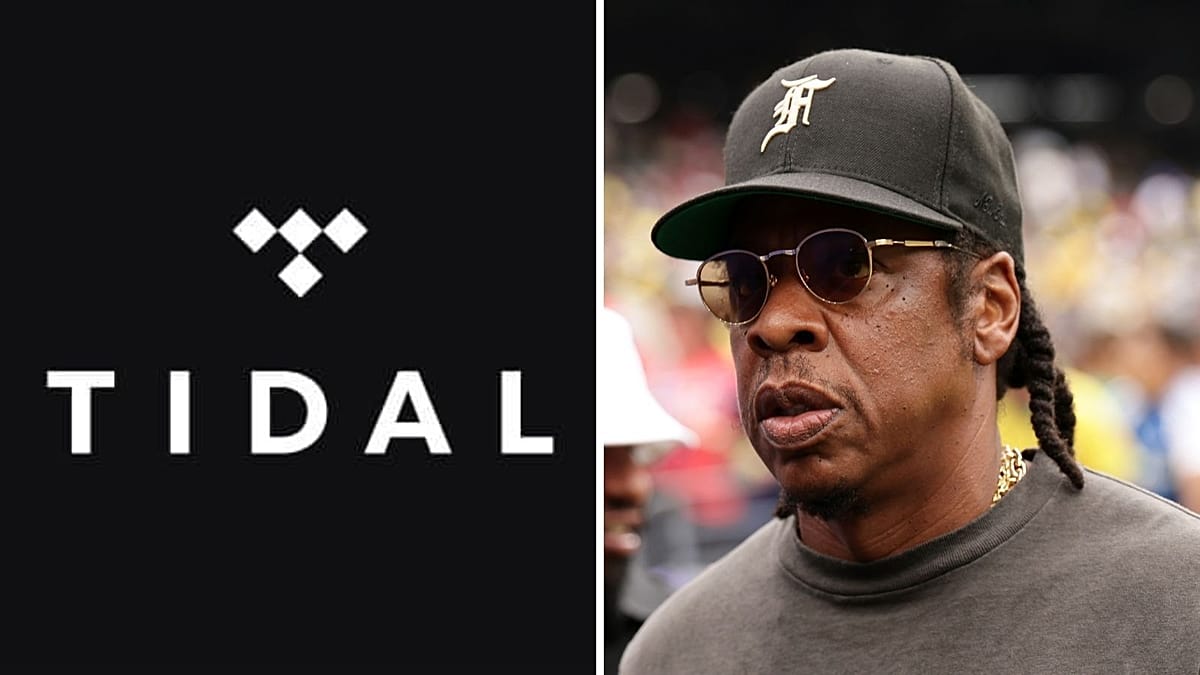
Music streaming service Tidal, which counts Jay-Z among its co-owners, has announced a sweeping crackdown on AI-generated music. Starting 9 December, the platform will remove all tracks it identifies as wholly created by artificial intelligence, a decision the company says is designed to safeguard the economic interests of human artists as generative tools reshape the industry.
In a statement, Tidal framed the move as a response to the rapid proliferation of text-prompted music generation, which has flooded streaming catalogs with synthetic content. The company argues that without intervention, the sheer volume of AI output could drown out genuine musicianship and devalue the work of professional artists.
Why Tidal is acting now
The urgency became clear in recent months. Robert Anderson, who leads Tidal at its parent company Block, revealed on X that 43% of tracks distributed to the platform in the last 90 days were detected as AI-generated. He noted that Tidal had already begun tagging and demonetizing such tracks, but called that approach insufficient.
“A few months ago, @Tidal tagged and demonetized all wholly AI-generated tracks to protect the authenticity of real artists. But that’s enough, as 43% of tracks distributed to us in the last 90 days have been detected as AI-generated. Something more drastic needs to be done…”
Anderson added that the platform will begin removing all wholly AI-generated tracks immediately, with the goal of having them completely gone by the start of 2025. He also noted that 96% of AI-generated songs receive zero plays, suggesting that the purge will have little impact on listener experience while cleaning up the catalog.
The scale of the operation is considerable: Tidal expects to remove roughly 29 million tracks. The platform already rejects between 80,000 and 85,000 songs daily, many of which are likely AI-generated.
Industry context and implications
Tidal’s decision comes amid broader debates about AI’s role in music. While some artists have embraced generative tools as creative aids, others worry about copyright infringement, loss of income, and the dilution of human artistry. The move positions Tidal as a leader in the fight against unregulated AI content, a stance that could resonate with musicians and fans alike.
However, the policy raises questions about enforcement. Tidal will need to distinguish between wholly AI-generated tracks and those that use AI as a tool within a human creative process. The company has not yet detailed its detection methods, but the scale of the purge suggests it has developed robust systems.
For European artists and listeners, the implications are significant. Many independent musicians rely on streaming platforms for exposure and revenue, and the influx of AI tracks has made it harder for them to stand out. Tidal’s move could set a precedent for other platforms, particularly in the EU, where regulators are already scrutinizing AI’s impact on creative industries.
As the music industry grapples with these challenges, Tidal’s aggressive stance may prove influential. Whether other streaming giants follow suit remains to be seen, but the message is clear: the era of unchecked AI-generated music on major platforms may be coming to an end.