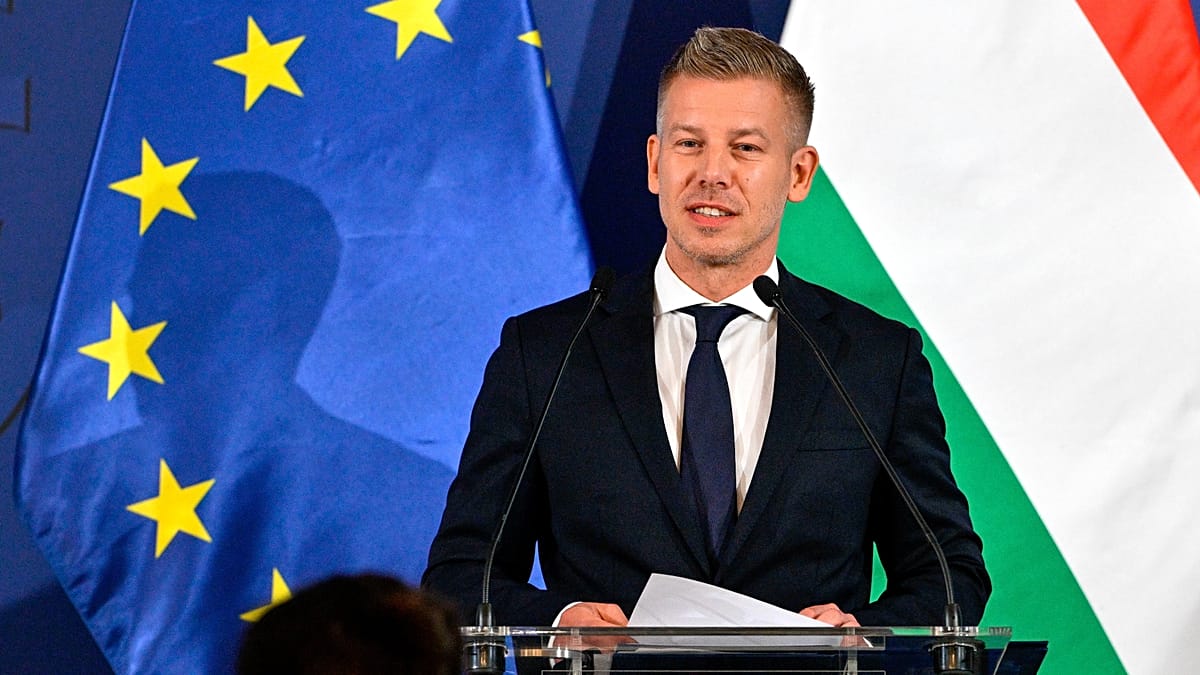
Budapest has taken a decisive step toward mending its strained relationship with Brussels by formally notifying the European Commission of the reforms it has enacted to address long-standing rule-of-law concerns. The notification, submitted under the EU's Rule of Law Conditionality Regulation, could unlock €4.2 billion in cohesion funding and restore Hungary's participation in key European programmes.
Piotr Serafin, the European Commissioner for Budget, Anti-Fraud and Public Administration, confirmed on X that the Commission had received the written notification. He stated that it outlines measures to remedy the situation that led to the adoption of protective measures against Hungary.
The submission follows an agreement reached in May between Hungarian Prime Minister Péter Magyar and Commission President Ursula von der Leyen. That deal was part of a broader rapprochement that began after Magyar's electoral victory over Viktor Orbán in April, which ended more than a decade of contentious relations between Budapest and EU institutions.
From suspension to potential recovery
In late 2022, the Council of the EU suspended €6.3 billion in cohesion funds for Hungary under the conditionality mechanism, citing deficiencies in the country's anti-corruption framework, conflicts of interest, and systemic irregularities in public procurement. That amount has since been reduced due to financial adjustments, leaving €4.2 billion that Budapest could now reclaim.
Resolving the conditionality issue is about more than just the money. The mechanism also blocked funding to Hungarian public interest trusts and related entities—a legal structure the government has used to take control of public institutions, including universities. As a result, Hungarian students and researchers were excluded from the Erasmus+ exchange programme and Horizon Europe research grants.
In recent weeks, the Commission and the Hungarian government have worked closely together, and Brussels does not anticipate any surprises when assessing whether the reforms sufficiently address its concerns, according to Euronews.
Hungary remains eligible for €10 billion under the Recovery and Resilience Facility, the EU's post-pandemic stimulus instrument, with a payment request expected later this month. However, just over €2 billion in cohesion funding remains blocked due to concerns about the asylum system, child protection law, and academic freedom.
The Commission now has one month to complete its assessment, after which it will refer the matter to the Council with a draft decision. Only member states can formally terminate the conditionality mechanism, making the Council's role crucial in the final stage of this process.
This development comes amid other shifts in Hungary's EU relations, including moves to end the Article 7 procedure and potential relief on migration-related fines. The country has also taken steps to expel Russian diplomats, signaling a broader realignment with European norms.
For now, all eyes are on the Commission's assessment, which will determine whether Hungary's reforms are sufficient to restore full access to EU funds and programmes. The outcome will be a significant test of the EU's ability to enforce its values while maintaining constructive engagement with member states.