European Union ambassadors are gathering in Brussels today amid signs that Hungary may finally drop its months-long veto on a €90 billion loan package for Ukraine. The diplomatic shift comes just as Ukraine has reopened the Druzhba oil pipeline, a critical energy artery that had been shut down for months, raising hopes for a breakthrough in EU support for Kyiv.
Euronews correspondent Sándor Zsíros reported from Brussels that the timing is no coincidence. The pipeline restart, which supplies oil to several Central European countries including Hungary, has eased Budapest's concerns over energy security—a key reason for its earlier blockade. The loan, part of a broader EU effort to stabilise Ukraine's economy amid the ongoing war, has been stalled since last autumn.
Exclusive Interviews on Europe Today
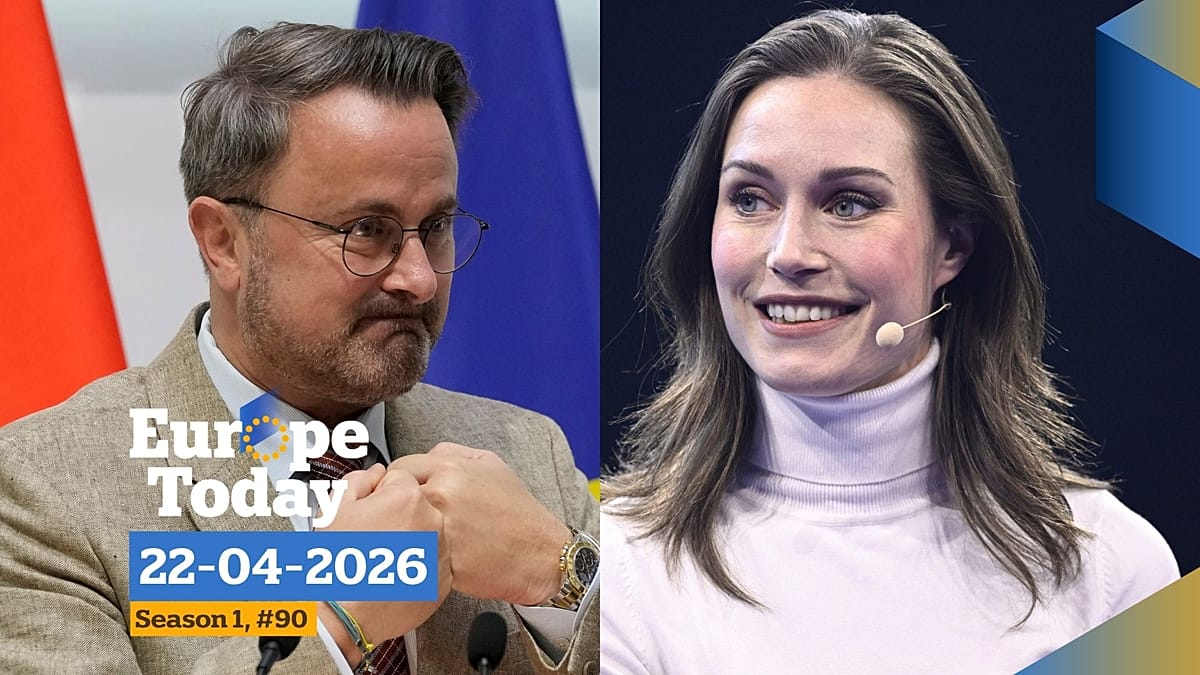
In today's episode of Europe Today, hosted by Mared Gwyn, viewers will hear from Xavier Bettel, Luxembourg's deputy prime minister and foreign minister, and Sanna Marin, the former prime minister of Finland. Both are expected to discuss the implications of Hungary's potential U-turn and the broader geopolitical stakes for Europe.
Bettel, a veteran of EU diplomacy, has been a vocal advocate for maintaining unity among the twenty-seven member states. Marin, who led Finland through its NATO accession process, brings a Nordic perspective on security and solidarity. Their conversation comes at a pivotal moment, as the EU also grapples with the fallout from the Middle East crisis and the Trump administration's recent extension of a ceasefire with Iran.
Euronews correspondent Laila Humairah will provide updates from the region, where the US-Iran truce has temporarily de-escalated tensions but left European allies wary of long-term stability. The EU's foreign policy chief has repeatedly stressed the need for a coordinated European response to the Hormuz crisis, which threatens global shipping lanes and energy supplies.
Druzhba Pipeline: A Strategic Lever
The Druzhba pipeline, one of the world's longest oil transport networks, runs from Russia through Belarus, Ukraine, and into several EU countries. Its reopening by Kyiv was seen as a goodwill gesture to Budapest, which had cited energy security risks as a reason for blocking the loan. The move also aligns with broader EU efforts to diversify energy sources, as outlined in recent summits on mutual defence and energy resilience.
For Ukraine, the €90 billion loan is not just a financial lifeline but a test of European commitment. President Volodymyr Zelenskyy has repeatedly rejected symbolic gestures, demanding full integration into EU structures. The loan, if approved, would be disbursed over several years and tied to reforms in governance, anti-corruption, and energy efficiency.
Hungary's new government, under scrutiny for its handling of Orbán-era defence contracts, has signalled a more pragmatic approach to EU affairs. The veto lift would mark a significant shift in Budapest's stance, which had previously aligned with Moscow on several issues. Analysts note that the pipeline restart may have provided the political cover needed for Prime Minister Viktor Orbán's successor to change course without appearing weak.
The broader context includes ongoing debates about Europe's defence adaptation, as highlighted by Ukraine's drone innovations exposing gaps in NATO capabilities. The EU's ability to act decisively on Ukraine is also seen as a test of its credibility, especially after warnings from Spanish Prime Minister Pedro Sánchez that inaction on Israel undermines the bloc's moral authority.
As the ambassadors deliberate, the clock is ticking. The loan package is considered essential for Ukraine to maintain basic public services and military operations through the winter. A decision could come as early as today, with the European Commission expected to announce the outcome later this week.
For now, all eyes are on Brussels and the Druzhba pipeline—a symbol of how energy, diplomacy, and war are intertwined in Europe's response to the largest conflict on the continent since 1945.