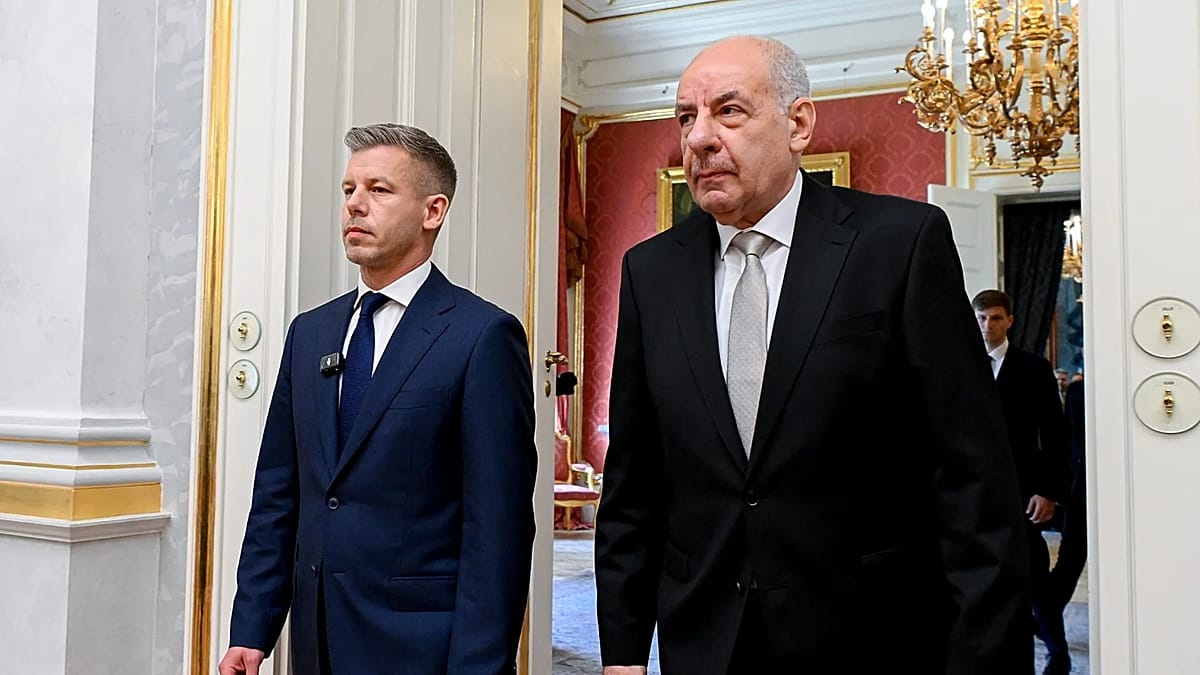
Hungary’s political landscape is bracing for a pivotal moment as Prime Minister Péter Magyar’s government moves to remove President Tamás Sulyok from office. The governing Tisza Party, which secured a landslide victory in April’s elections, has filed a constitutional amendment that would terminate the president’s mandate the day after the amendment takes effect. Sources in the Hungarian parliament suggest a vote could come as early as next week, though official confirmation is pending.
Constitutional Overhaul Targets Presidency and Judiciary
The proposed changes go beyond the presidency. The amendment would also set a mandatory retirement age of 70 for four constitutional judges, effectively removing them from the bench, and limit parliamentary deputies to a 12-year mandate. These measures, if passed, would significantly reshape Hungary’s institutional landscape, consolidating power under Magyar’s administration.
President Sulyok, appointed by former Prime Minister Viktor Orbán in 2023, has refused to resign. In a statement on Sunday, he described the move as a threat to democracy. “The question is whether this force will sweep away internationally recognised and required principles of the rule of law, as well as genuine representative democracy,” Sulyok said.
Magyar has long criticised Sulyok as “Orbán’s puppet,” accusing him of failing to uphold constitutional duties during Orbán’s 16-year tenure. “Viktor Orbán failed the Hungarian people, and Tamás Sulyok, whom he appointed, failed the Hungarian Republic,” Magyar declared in June. The prime minister’s campaign repeatedly promised to oust the president, arguing that Sulyok did not stand up for opposition supporters under the previous regime.
Opposition Mobilises Against ‘Tyranny’
The opposition Fidesz party, now out of power, has called for a demonstration on Thursday in support of Sulyok. Viktor Orbán, who led Hungary for over a decade and a half, accused the Tisza Party of overstepping its mandate. “The Tisza Party crosses all boundaries – human, moral and legal,” Orbán said. “Hungarian voters did not authorise this.” Fidesz argues that Sulyok’s removal would pave the way for tyranny, framing the amendment as a personalised attack on the presidency.
Legal experts and opposition figures contend that Sulyok was elected in accordance with the constitution, and that his removal amounts to ad hominem legislation. The Tisza Party’s supermajority in parliament, however, makes the amendment’s passage highly likely.
The Council of Europe’s Venice Commission, an advisory body on constitutional affairs, visited Budapest last week and met with both the president and government officials. Its findings have not yet been released, but the commission’s involvement underscores the broader European concern over Hungary’s democratic backsliding. This is not the first time Budapest has clashed with EU institutions over rule-of-law issues; earlier this year, a lawyer argued that Viktor Orbán should have been detained over a cash convoy raid, highlighting ongoing tensions.
European Implications
The crisis in Budapest resonates across the continent. Hungary’s trajectory under Magyar, who campaigned on a platform of restoring democratic norms, is being closely watched in Brussels and other capitals. The move to remove a sitting president and reshape the judiciary echoes similar power consolidations in Poland under the former Law and Justice party, which drew EU sanctions. Meanwhile, Ukraine’s President Zelenskyy has urged Hungary and Poland not to block Ukraine’s EU accession path, a reminder of Hungary’s geopolitical role.
As the vote approaches, the international community will be watching whether Magyar’s government follows through on its promise to dismantle Orbán’s legacy—or whether it is creating new autocratic structures of its own. The Venice Commission’s forthcoming opinion may shape the debate, but for now, Hungary’s democracy faces its most serious test since the fall of communism.