Reykjavík woke to a divided mood on Sunday after Iceland narrowly voted against resuming European Union membership talks. The final count showed 52.8% opposed to reopening negotiations, while 47.2% supported them, according to public broadcaster RÚV. The result, announced in the early hours, left both camps claiming a measure of vindication.
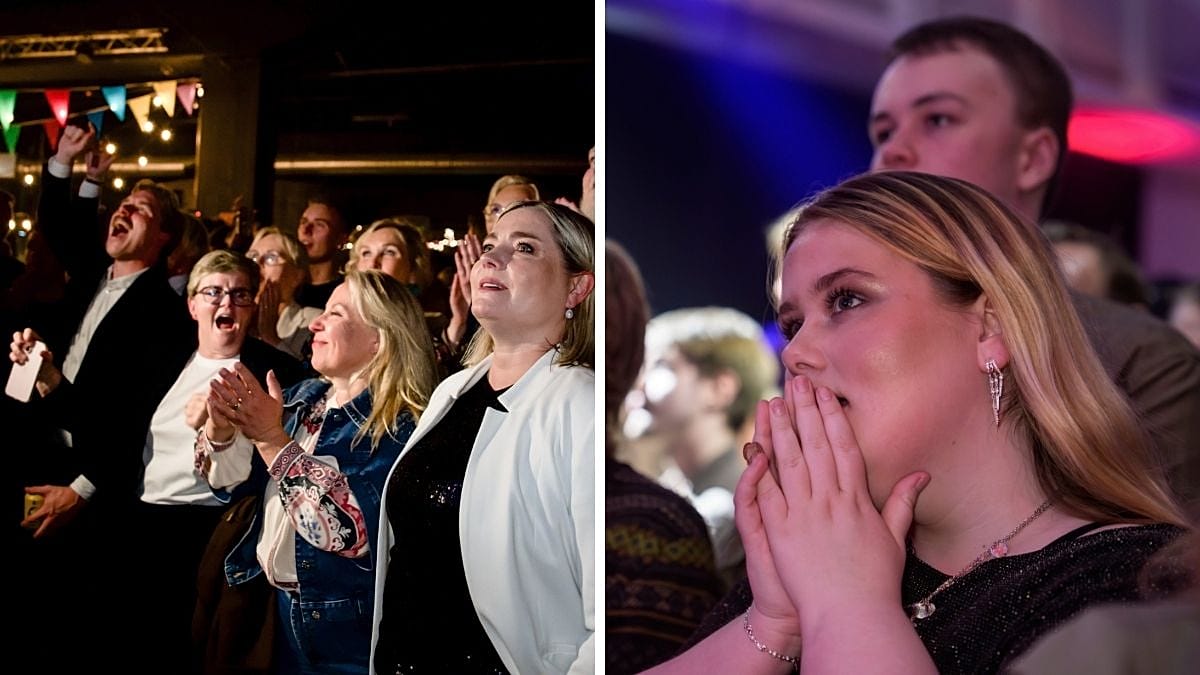
Supporters of the "No" side gathered in the capital to watch the numbers come in, many expressing relief after a campaign they described as tense and divisive. Skuli Olafsson, a pastor in Reykjavík, said he felt "a little bit relieved" now that the question had been settled. "It has been quite aggressive, this discussion," he told reporters. "But now I hope the opposing parties will find a way to make this community here in Iceland a little bit better just by using our own methods and, of course, those relations we have with Europe, America, and Asia."
For those on the losing side, the outcome was harder to accept. Anna Maria Bogadottir, an artist, said she was "in a kind of denial." "It's hard to grasp that it's a no," she added, reflecting the disappointment of the 47% who had hoped to see Iceland move closer to Brussels.
A narrow verdict with wide implications
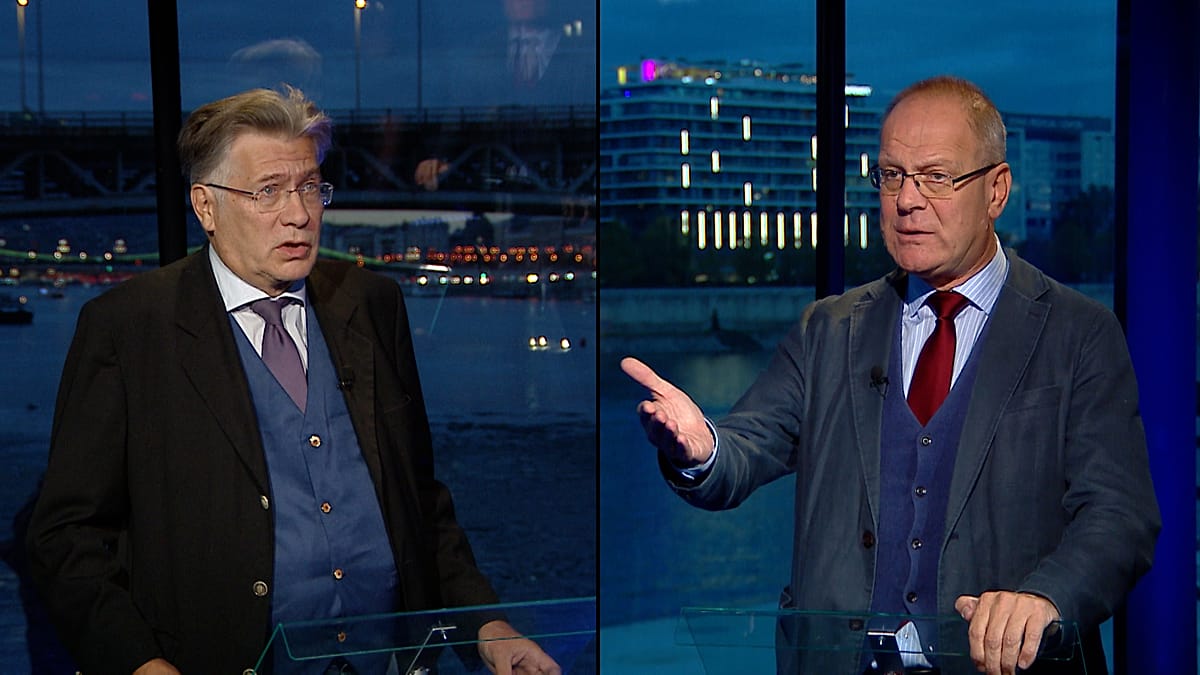
The referendum was consultative, but its political weight is considerable. Prime Minister Kristrún Frostadóttir, whose centre-left government had backed the talks, acknowledged the result with a pledge to respect it. "It's obvious that close to half of the country wanted to continue these negotiations, but over half of the population did not. We will respect that result," she said at a press conference on Sunday. She also highlighted the high turnout, which she called "extremely important" for the democratic process. "It gives us a stronger mandate to make a decision on this matter," she added.
Former President Ólafur Ragnar Grímsson, who had campaigned for a "No" vote, took to social media to declare that "the nation has spoken." His comment echoed the sentiments of many who see the result as a reaffirmation of Iceland's independent path, a stance that has deep roots in a country that has long balanced its European ties with a fierce sense of sovereignty.
The outcome also resonated beyond Iceland's shores. Right-wing figures in the UK and France were quick to celebrate. Nigel Farage, the former Brexit campaigner and leader of Reform UK, congratulated Iceland on "voting to keep their independence." In France, Marine Le Pen, leader of the National Rally, framed the result as a rebuke to federalist ambitions. "At a time when some are pushing for greater federalism and the transfer of sovereignty to the European Commission, this vote serves as a reminder that another Europe is possible – a Europe of free, sovereign nations cooperating voluntarily on matters of common interest," she said.
The European Commission offered a brief, measured response, saying it "takes note of the outcome" and "respects the choice of the Icelandic people." The statement was notably short, reflecting Brussels' cautious approach to a result that complicates its enlargement agenda.
Iceland's relationship with the EU has been a recurring theme in its modern politics. The country applied for membership in 2009 after the financial crisis, but talks were frozen in 2013 and later dropped. Saturday's vote was the first time Icelanders had directly weighed in on the question since then, and the narrow margin suggests the issue is far from settled. As the impact on EU enlargement momentum becomes clearer, analysts note that the result could have ripple effects for other candidate countries in the Western Balkans, who watch Iceland's deliberations with interest.
For now, the immediate focus in Reykjavík is on healing the divisions the campaign exposed. The prime minister's promise to respect the result, while acknowledging the strength of the "Yes" vote, points to a desire to move forward. As lessons from the referendum are drawn, both sides will be watching to see how the government navigates the country's relations with Europe, the United States, and Asia.
The vote also raises questions about Iceland's future engagement with the EU's single market, of which it is already a member through the European Economic Area. Some argue that the "No" vote could lead to a more pragmatic, issue-by-issue approach, while others fear it may leave Iceland isolated on key policy fronts. As the implications for Reykjavík and Brussels unfold, the coming months will reveal whether this narrow decision becomes a lasting settlement or a prelude to further debate.