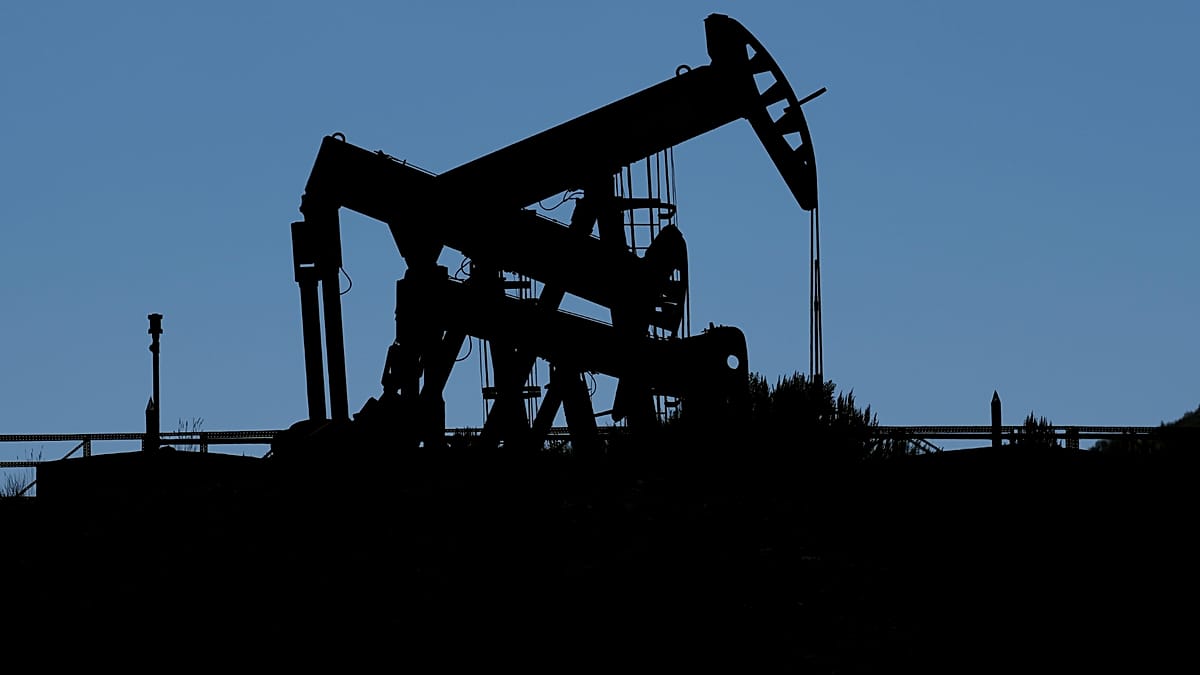
The International Energy Agency (IEA) confirmed on Saturday that its member countries have so far released 325 million barrels of crude oil and refined products from strategic reserves, representing more than 80 percent of the 400 million barrels pledged in March. The remaining 75 million barrels are expected to be delivered in the coming weeks.
The update came a day after leaders of the Group of Seven (G7), in a statement issued from the Élysée Palace, agreed to coordinate with the IEA on an immediate release of 100 million barrels of diesel and crude oil. The move follows sustained pressure from Washington on European capitals to tap their reserves and ease supply concerns triggered by the ongoing conflict between the United States and Iran.
The G7 statement did not clarify whether the 100 million barrels includes the outstanding 75 million from the earlier IEA commitment or is additional to it. The ambiguity has left markets guessing about the total volume that could hit the market in the near term.
Diesel crunch and the Strait of Hormuz
The urgency stems from a sharp tightening of diesel supplies. Iran's restrictions on shipping through the Strait of Hormuz, a chokepoint for about a fifth of global oil consumption, have disrupted flows of both crude and refined products. The US and Israeli attacks on Iranian targets have further escalated tensions, prompting Tehran to retaliate by limiting tanker movements.
Diesel prices have spiked across Europe and North America, hitting record highs in several EU member states. The fuel is critical for trucking, agriculture, and heating, making price surges particularly painful for households and businesses. In Germany, France, and Poland, diesel pump prices have risen by more than 20 percent since the start of the year, according to industry data.
The Trump administration has been pressing European allies to release diesel reserves to cool the market. Washington argues that a coordinated release would send a strong signal to speculators and help stabilize prices. European officials, however, have been more cautious, wary of depleting strategic stocks that are meant for genuine emergencies.
Europe's strategic reserves under scrutiny
The IEA's collective action, first announced on 11 March, was designed to cushion the impact of supply disruptions. With 325 million barrels already released, the agency says the effort is on track. But analysts warn that Europe's diesel stockpiles are thin. A recent analysis suggested that the continent's diesel reserves cover only about ten days of global demand, underscoring the fragility of the market.
The G7's decision to release an additional 100 million barrels of diesel and crude is seen as a direct response to this vulnerability. The move was backed by French President Emmanuel Macron, whose office issued the G7 statement. Macron had earlier proposed a dual release—combining IEA strategic stocks with commercial inventories—to maximize impact.
European Union energy ministers are scheduled to hold emergency talks in Brussels next week to discuss the situation. The meeting, convened by the European Commission, will focus on coordinating national responses and assessing whether further releases are needed. Some member states, particularly those with limited storage capacity, are calling for a more flexible approach.
Meanwhile, the broader geopolitical picture remains tense. The conflict in the Middle East shows no signs of abating, and the Strait of Hormuz remains a flashpoint. Any prolonged disruption could force the IEA to consider additional releases, but the agency's ability to act is constrained by the volume of remaining reserves.
For European consumers, the immediate impact of the releases may be limited. Oil markets are global, and the effect on pump prices depends on how quickly the barrels reach refineries and how much of the diesel is actually usable. Refining bottlenecks in Europe could delay the benefits, even as the IEA insists that the collective action is working.
In the longer term, the crisis has reignited debates about energy security and the need to diversify supply. Several EU countries, including Spain and Italy, have accelerated plans to boost renewable energy and reduce dependence on fossil fuels. But for now, the focus is on managing the immediate shortfall and preventing a full-blown diesel shortage.
The IEA's next update is expected in early May, when it will confirm whether the remaining 75 million barrels have been delivered. Until then, markets will be watching the Strait of Hormuz and the diplomatic efforts to de-escalate the conflict.