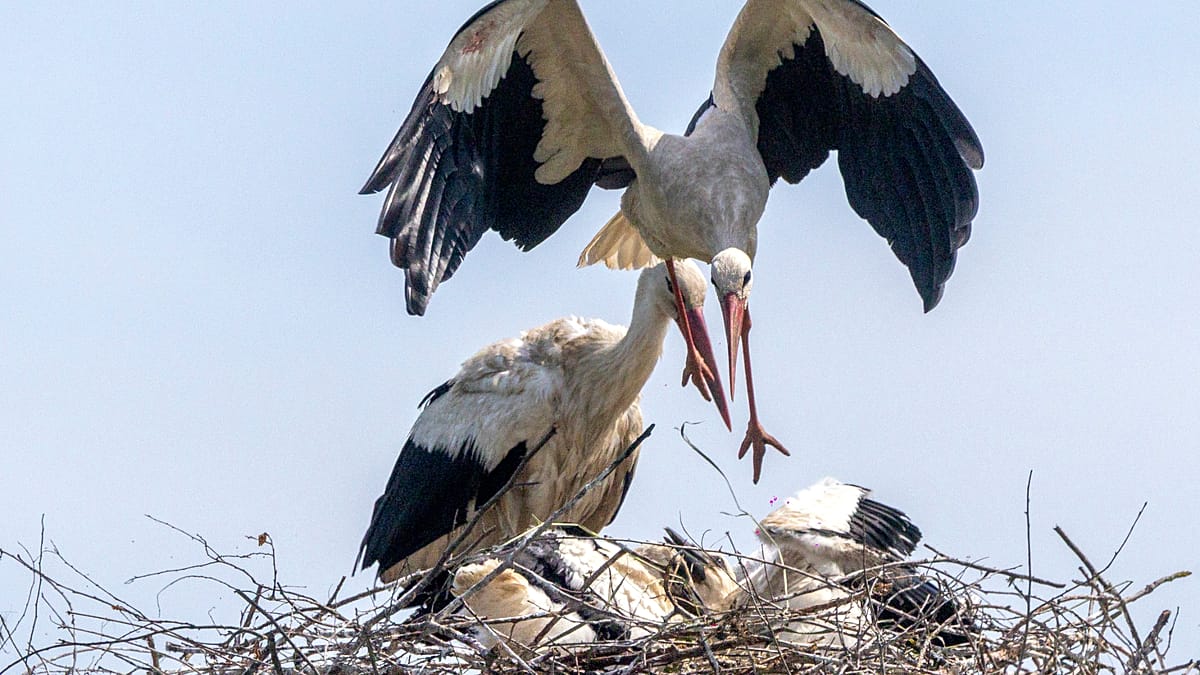
In the small village of Cigoc, roughly 90 kilometres southeast of Zagreb, a remarkable coexistence plays out each spring. White storks return from Africa to build their nests on the rooftops of traditional wooden houses, often in such numbers that they outnumber the human residents. This is not a fleeting visit; the birds are considered permanent neighbours.
Cigoc holds the distinction of being Europe's first designated 'Stork Village', a title it has maintained for 32 years. Unlike most of the continent, where storks typically nest in trees, on cliffs, or near coastlines, here they have integrated directly into village life. Davor Anzil, an employee of the Cigoc Information Centre, explains: 'Here, storks build their nests on the roofs of barns and houses, unlike elsewhere in Europe where they are typically found in oak forests, on cliffs, above the sea. Here, they live in close contact and coexistence with people.'
A Wetland That Sustains the Birds
The village lies within the Lonjsko Polje nature park, Croatia's largest protected wetland area. This rich ecosystem supports more than 250 bird species—over two-thirds of all bird species recorded in Croatia, including both white and black storks. The abundance of frogs, fish, snakes, and insects in the nearby wetlands allows stork pairs in Cigoc to raise an average of three to four chicks per nest, roughly double the European average of one to two.
This ecological richness is directly linked to the storks' breeding success. The wetland acts as a natural pantry, ensuring that the birds have ample food during the critical nesting period. The park's protection also means that the habitat remains undisturbed, a key factor in the storks' continued presence.
An Aging Village, Fewer Storks
As Cigoc's population ages and younger residents move to cities, the number of storks nesting there has also declined. Farmland once used for foraging has fallen out of use, reducing the available feeding grounds. Yet those who remain have no intention of disturbing their feathered neighbours. Pensioner Marijan Belosevic says: 'The storks were here before me, and I don't see how I could ever remove their nest or chase them away when they keep returning here. It is their habit, and I have a lot of respect for nature.'
This sentiment is echoed by other elderly residents, who view the storks as part of the family. The birds have learned to share a roof, and the humans have learned to live with the noise, the droppings, and the occasional broken tile. It is a relationship built on mutual tolerance and a deep respect for the natural world.
For those interested in similar off-the-beaten-path destinations, Europe's 2026 Hidden Gems list includes other Croatian villages worth exploring. Meanwhile, the story of Cigoc offers a quiet counterpoint to the more dramatic environmental news elsewhere, such as the first underwater video of a great white shark in the Mediterranean captured during a ghost net cleanup.
The storks of Cigoc are a reminder that coexistence is possible, even when the numbers tip in favour of the birds. As the village continues to age, the question remains whether this unique relationship can survive the demographic shift. For now, the storks keep returning, and the pensioners keep welcoming them home.