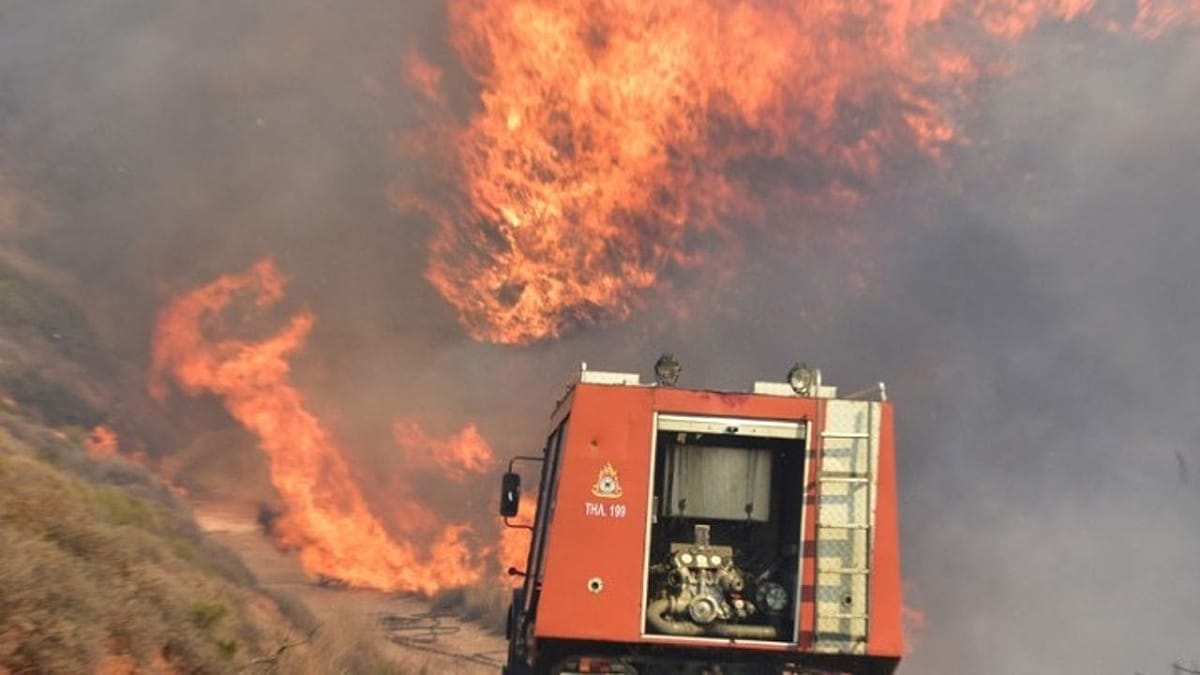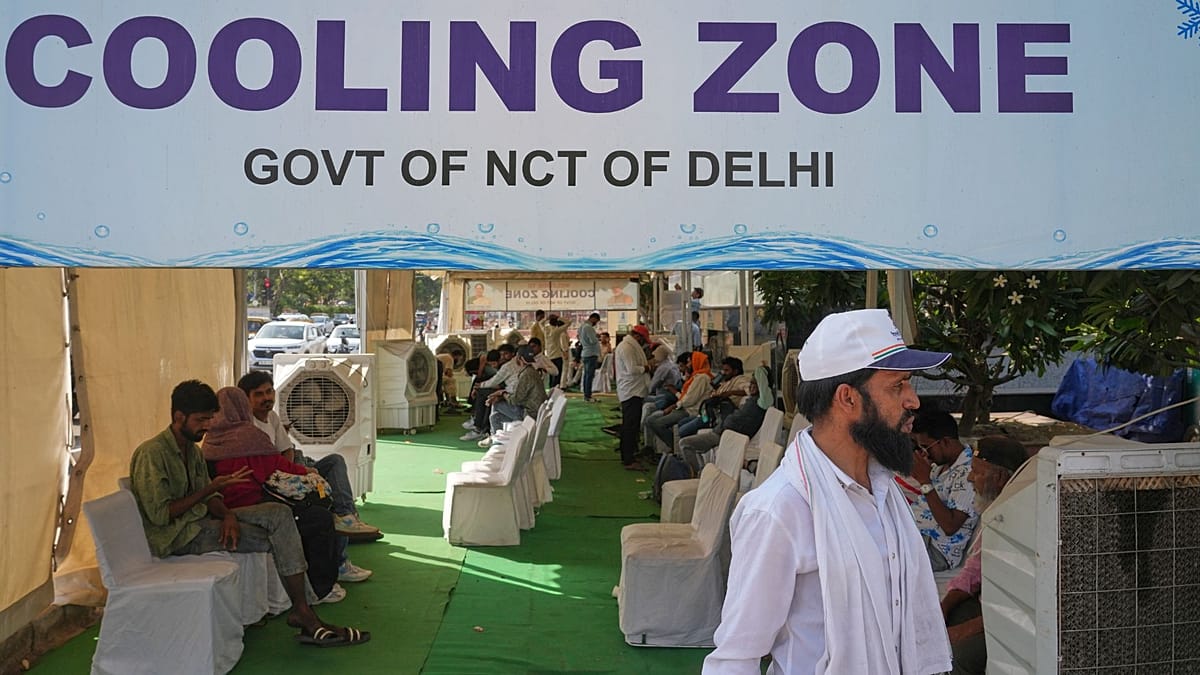
India has endured a punishing summer, with temperatures in Uttar Pradesh exceeding 48°C in May. A new study published in Frontiers in Environmental Health reveals that the true death toll from these heatwaves is far higher than official records suggest, raising questions about how Europe and other regions track heat-related mortality.
The research estimates that a single day of extreme heat leads to approximately 3,400 excess deaths across India. A five-day heatwave is linked to nearly 30,000 additional deaths. These figures dwarf the official annual count of 500 to 1,500 heatwave deaths nationwide, which experts have long considered a gross underestimate.
Why official counts fall short
India lacks a uniform system for tracking heatwave deaths. Officials typically record only deaths directly attributed to heatstroke or heat-related disasters, ignoring the indirect impacts—such as the exacerbation of cardiovascular or respiratory conditions—that extreme heat can trigger. The study is the first to provide detailed estimates for all 765 districts in India, using a methodology that accounts for all excess deaths during hot periods.
Researchers analyzed historical data from ten Indian cities in different climate zones to establish baseline excess death rates during heatwaves. They then matched each district to the city with the most similar climate, extrapolating to produce national and state totals. The results show that states like Uttar Pradesh bear the heaviest burden, accounting for roughly 8,100 excess deaths during a five-day heatwave. Individual districts such as Ahmedabad, Jaipur, and Surat each recorded over 250 excess deaths in a single event.
The authors describe their findings as conservative, noting that rising temperatures and the particular vulnerabilities of rural areas—outdoor work, limited access to air conditioning and healthcare, higher poverty rates—likely mean the true numbers are even higher.
Inequalities in heat resilience
The study reveals stark inequalities. The five states with the highest heatwave mortality account for 66 percent of national excess deaths but contribute only 29 percent of India's GDP. This means the regions least able to fund adaptation measures face the greatest risk. The authors argue that federal investment in heat resilience should be redirected accordingly.
Better protections are urgently needed, including localized heat action plans, improved healthcare infrastructure, and robust early-warning systems. The findings also have implications beyond India. Countries across South Asia and Sub-Saharan Africa face similar combinations of extreme heat, limited healthcare infrastructure, and poor mortality surveillance, making India's district-level methodology a potential model for understanding a largely invisible death toll elsewhere.
European parallels
The undercounting of heatwave deaths is not unique to India. A study by Imperial College London and the London School of Hygiene & Tropical Medicine found that climate change was responsible for an estimated 16,500 additional deaths across 854 European cities in the summer of 2025—68 percent of all heat-related deaths that season. During the record-hot summer of 2024, more than 62,000 people died in Europe's heatwaves.
In Spain, May 2026 alone saw a record 101 heat-related deaths, 3.6 times the monthly average of the past decade, before summer had even begun. Spain's health minister warned that heat is now arriving before people's bodies have had time to acclimatise. These figures echo concerns raised by research on heatwaves increasing preterm birth risk across Europe, underscoring the broad health impacts of extreme heat.
Europe's own cooling infrastructure gaps are also a concern. A recent analysis found that 68 percent of EU homes lack air conditioning, leaving millions vulnerable as heatwaves intensify. The Indian study's methodology could help European countries improve their mortality tracking and better target adaptation efforts.
The findings serve as a stark reminder that heatwave deaths are often invisible in official statistics, both in India and across the globe. As climate change drives more frequent and intense heat events, accurate data is essential for saving lives.