In a landmark legal challenge, a coalition of Russian environmental groups and activists has filed the country's first climate lawsuit, arguing that the government's climate strategy is dangerously inadequate. The case, submitted in September 2023, contends that Russia's approach would lead to 4°C of global warming if adopted worldwide, violating both the Russian constitution and the European Convention on Human Rights.
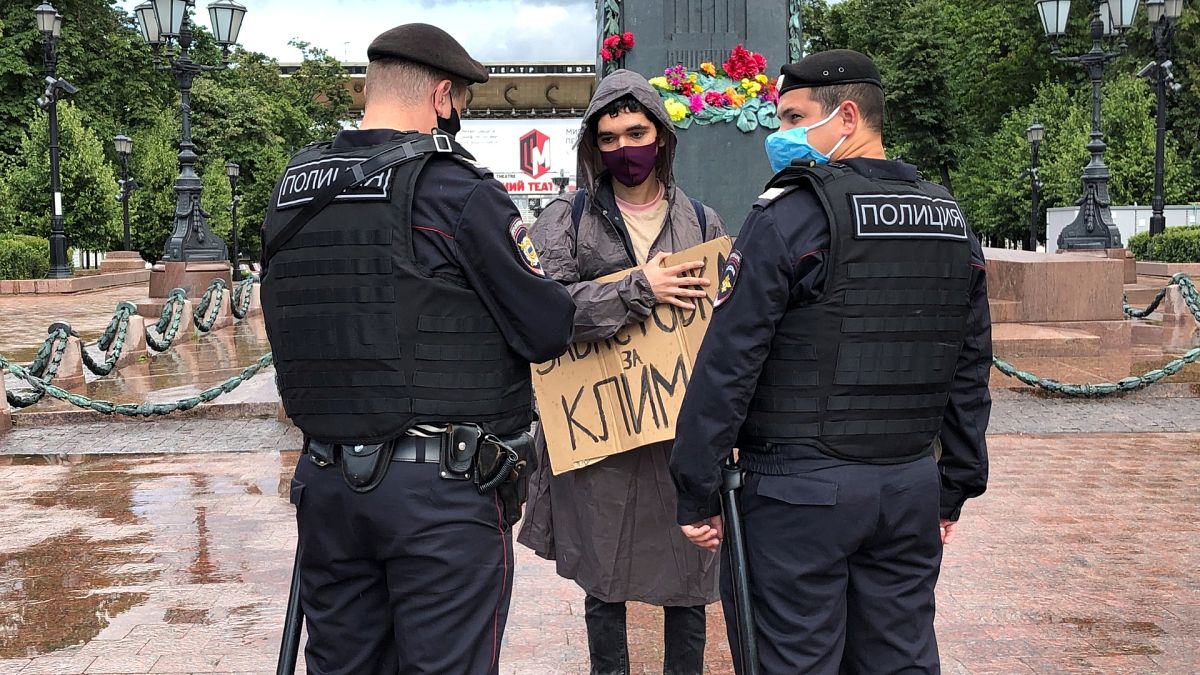
The lawsuit comes at a time of intense pressure on civil society in Russia. Since the war in Ukraine began, the Kremlin has tightened laws on dissent, particularly the 'foreign agent' legislation first adopted in 2012. Originally targeting organisations receiving foreign funding and engaging in political activities, the law has been expanded to cover individuals and media, and now effectively criminalises any criticism of the regime.
The 'Foreign Agent' Label: From Elite Club to Legal Trap
Aleksandra Koroleva, head of the environmental group Ecodefense!, founded in 1989, recalls the early days of the law. "When it was first introduced, we joked that the label was an 'elite club' – a quality mark for our work," she says. "Then very soon it became clear that every person with a civil position can become a foreign agent."
Ecodefense! was placed on the 'foreign agent' list in 2014. The group refused to comply with the law's requirements, such as labelling publications with disclaimers and reporting to the Ministry of Justice. For five years, they continued their work, successfully pushing multinational energy corporation Lukoil to invest in satellite technology to track oil spills in the Baltic Sea and preventing nuclear waste imports from Germany. But fines mounted, reaching 1 million rubles (€13,235). In 2018, the organisation's accounts were frozen, and in 2019, five criminal cases were brought against Koroleva. Facing up to two years in prison, she fled to Lithuania and then to Germany, where she received political refugee status.
Ecodefense! is one of the plaintiffs in the climate case. The lawsuit was filed on 11 September 2023, just five days before Russia withdrew from the European Convention on Human Rights, meaning this may be the last climate case from Russia heard by the European Court of Human Rights.
The risks for activists are considerable. Russian politicians have accused the plaintiffs of using the "myth" of climate change to launch "large-scale legal sabotage." Sergei Mironov, chairman of the Just Russia party, called it "direct preparation for a new propaganda campaign against our countries and outright blackmail of the Russian leadership."
The crackdown extends beyond climate activism. According to Koroleva, there are now 70 organisations on the 'foreign agent' list, 19 individuals on the register, and 172 people and organisations designated as media foreign agents. By 2021, 22 of the 32 environmental organisations initially added to the list had closed. The law was tightened further in 2022, redefining 'political activity' to include "opinions about public authorities' decisions or policies," effectively allowing authorities to designate almost anyone as a foreign agent. Those labelled are banned from civil service, teaching children, donating to political campaigns, or even organising public assemblies.
The climate case itself challenges Russia's strategy, which independent analysts say is "critically insufficient." The plaintiffs argue that the government's inaction violates constitutional rights to a healthy environment. The outcome remains uncertain, but the case highlights the growing tension between Russia's international climate commitments and its domestic crackdown on dissent.
As Europe grapples with its own climate challenges, the situation in Russia serves as a stark reminder of the risks activists face in authoritarian states. The European Union has condemned Russia's 'foreign agent' laws as a tool to silence opposition, and the case may further strain relations between Moscow and Brussels.