This weekend marks the start of the first-ever international meeting dedicated to creating a concrete plan for phasing out fossil fuels. The First International Conference on the Just Transition Away from Fossil Fuels, held in Santa Marta, Colombia, from 24 to 29 April, brings together over 50 countries, along with hundreds of organisations, campaigners, and academics. The goal is to forge a roadmap away from oil and gas toward renewable sources like wind and solar.
Co-sponsored by Colombia and the Netherlands, the conference was announced at COP30 in 2025. It comes after three decades of UN climate summits that have repeatedly failed to curb fossil fuel use—the primary driver of rising temperatures, water shortages, and biodiversity loss. The question now is whether Santa Marta can succeed where COP has fallen short.
Will Lobbyists Be Present?
Unlike COP gatherings, where thousands of fossil fuel lobbyists have gained access—2,456 at COP28 in Dubai, 1,773 at COP29 in Baku, and over 1,600 at COP30 in Brazil—the Santa Marta conference has taken a different approach. Organisers required all attendees to sign a disclosure stating they do not work for or with fossil fuel companies. This aims to restrict participation to a “coalition of doers” genuinely committed to the transition.
However, concerns remain about industry influence at the European level. Silvia Pastorelli, EU Petrochemicals Campaigner at the Center for International Environmental Law, warns: “Since the 2024 Antwerp Declaration, a corporate wishlist has steadily become European policy, dismantling hard-won environmental protections. Without restoring equitable civil society participation in EU policymaking, grounded in democratic principles and social justice, no genuine transition away from fossil fuels is possible.”
What European Experts Want
Euronews Earth asked European experts what single step governments should take immediately to end reliance on fossil fuels. Their answers highlight three priorities: treating fossil fuels like tobacco, ending subsidies, and addressing petrochemicals.
Dr Abi Deivanayagam from the UK Faculty of Public Health argues that fossil fuels should be seen as “an industry fundamentally incompatible with health,” akin to tobacco. “Protecting people’s health means restricting industry influence, ending subsidies and advertising, and investing instead in clean energy that delivers the greatest benefits to people affected by pollution, climate change, and fuel poverty,” she says.
Ending fossil fuel subsidies is another key demand. According to the International Institute for Sustainable Development, these subsidies take many forms—direct budget transfers, tax breaks, artificially low retail prices, and preferential finance—all of which keep fossil fuels priced below their true cost. Shweta Narayan from the Global Climate and Health Alliance urges: “European governments should immediately end fossil fuel expansion and subsidies, and invest those resources in clean energy and frontline communities—protecting health, cutting pollution, and delivering long-overdue justice.”
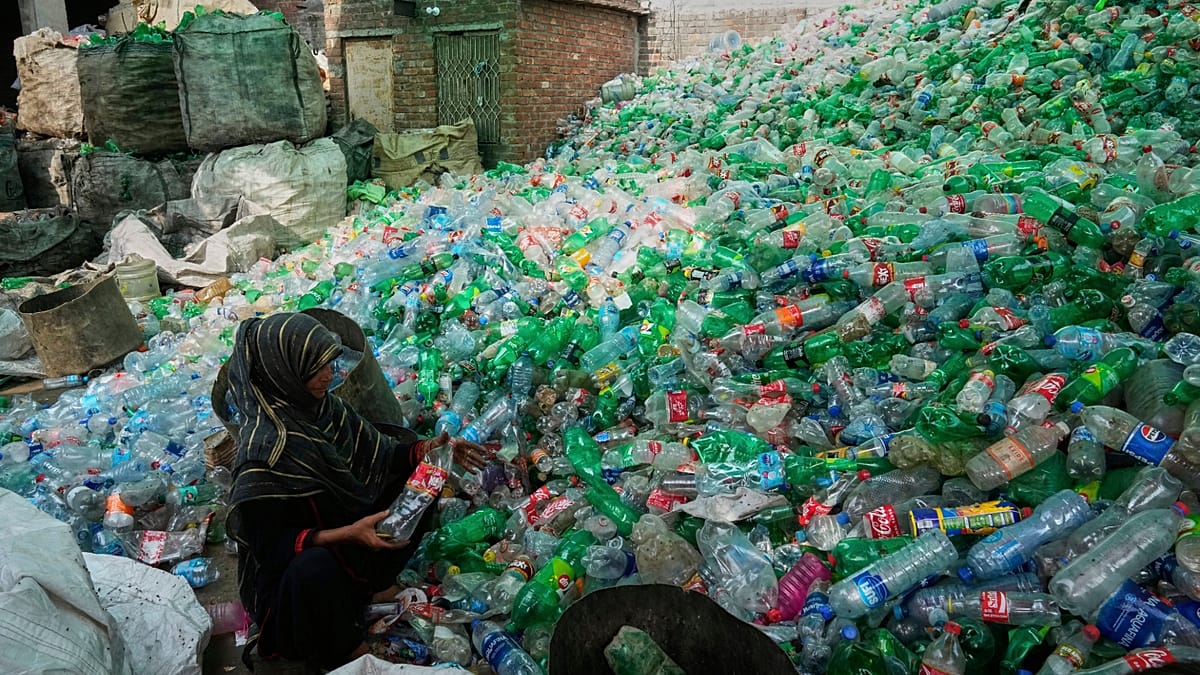
Petrochemicals represent a hidden but massive lifeline for the industry. About 15% of global oil consumption goes into chemicals, waxes, and other products used in over 6,000 everyday items—from computer keyboards and lipstick to aspirin and nylon guitar strings. Ana Rocha from the Global Alliance for Incinerator Alternatives calls petrochemicals “a major climate threat and a worldwide public health emergency.” She urges leaders to force manufacturers to shift to agro-ecological alternatives.
The Santa Marta conference will need to tackle these issues head-on if it is to deliver a genuine transition. For Europe, the stakes are high: the continent’s energy security and climate commitments depend on breaking the fossil fuel cycle. As the EU debates its competitiveness strategy, the outcome of this conference could shape policy from Brussels to Berlin. For more on related EU policy shifts, see our coverage of the EU's AccelerateEU Plan.