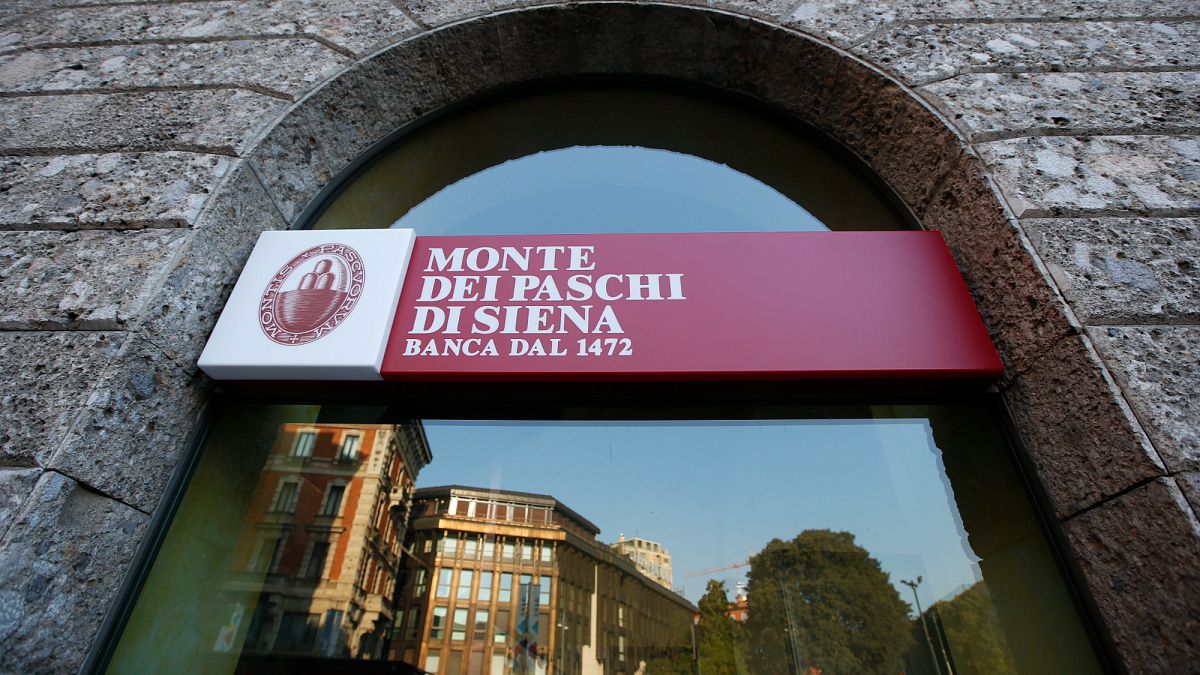
In a dramatic escalation of Italy's banking consolidation race, Intesa Sanpaolo — together with insurer Unipol — has launched a public purchase and exchange offer (OPAS) worth €30.6 billion for the entire share capital of Monte dei Paschi di Siena (MPS). The move comes less than 24 hours after Banco BPM submitted a friendly merger proposal to MPS, upending the Milan-based bank's plans and reshaping the competitive landscape of Italian and European finance.
Under the terms of the offer, Intesa Sanpaolo would absorb MPS, which recently completed its acquisition of Mediobanca — itself a major shareholder in insurance giant Generali. Unipol, meanwhile, will propose to Bper (in which it is the largest shareholder) a merger with the Siena branches of MPS, creating a new entity to be named Banca Monte dei Paschi. To support this, Unipol plans a capital increase of up to €2.5 billion.
If the transaction receives regulatory approval, the combined Intesa-MPS group would become the second-largest banking group in Europe by stock market value, trailing only HSBC. The deal would also mark a significant shift in Italy's banking sector, which has long been dominated by Intesa Sanpaolo and UniCredit.
Banco BPM's competing offer sidelined
Banco BPM, backed by French lender Crédit Agricole (which holds a 20.1% stake), had on Sunday proposed a merger of equals with MPS. The aim was to create a third major Italian banking group capable of breaking the Intesa-UniCredit duopoly. However, Intesa's OPAS triggers the so-called passivity rule under Italian takeover law, which prohibits MPS from pursuing alternative offers or transactions during the offer period — which is expected to run until December 2026.
Unipol chairman Carlo Cimbri was blunt about BPM's chances. "The chances of success for a suitor who thinks he can win over his beloved simply by sending her a letter are slim," he said during a press conference in Milan presenting the strategic project with Intesa Sanpaolo.
For Banco BPM and Crédit Agricole, the path forward now looks considerably more difficult. The passivity rule effectively blocks any competing bid or negotiation until Intesa's offer concludes, giving the Intesa-Unipol consortium a clear runway.
Details of the transaction
According to a reconstruction by Corriere della Sera, Intesa Sanpaolo will call an extraordinary shareholders' meeting on 10 September to approve a €5.7 billion capital increase, issuing ordinary shares to back the transaction. The plan envisages Intesa taking over the legal entity of MPS, including Mediobanca and its businesses.
Unipol will acquire 635 Monte dei Paschi branches, €55 billion in direct funding, and customer loans of around €42 billion. The insurer expects a profit contribution of between €400 million and €460 million from the acquired operations, along with risk-weighted assets of up to €20 billion, the MPS brand, and approximately 2 million customers.
At that point, Bper will enter the picture. Unipol will propose a merger between Bper and the "new" MPS, with the combined entity renamed Banca Monte dei Paschi. To finance this, Unipol will seek shareholder approval for a capital increase of up to €2.5 billion at an as-yet-unscheduled extraordinary general meeting.
The entire process is expected to be completed by December 2026. According to the consortium, the merger will allow the new banking group to strengthen its "support for the real and social economy as a European leader."
The Italian government, which still holds a small stake in MPS through the Ministry of Economy, has not yet commented on the bid. The European Commission, which has been involved in previous MPS-related negotiations, will also need to assess the competitive implications of the deal.
This latest consolidation move comes amid a broader wave of mergers and acquisitions in European banking, as lenders seek scale to compete with larger US and Asian rivals. The outcome of the Intesa-MPS bid will be closely watched across the continent, particularly in Paris, Frankfurt, and London, where regulators and competitors are already assessing the potential ripple effects.