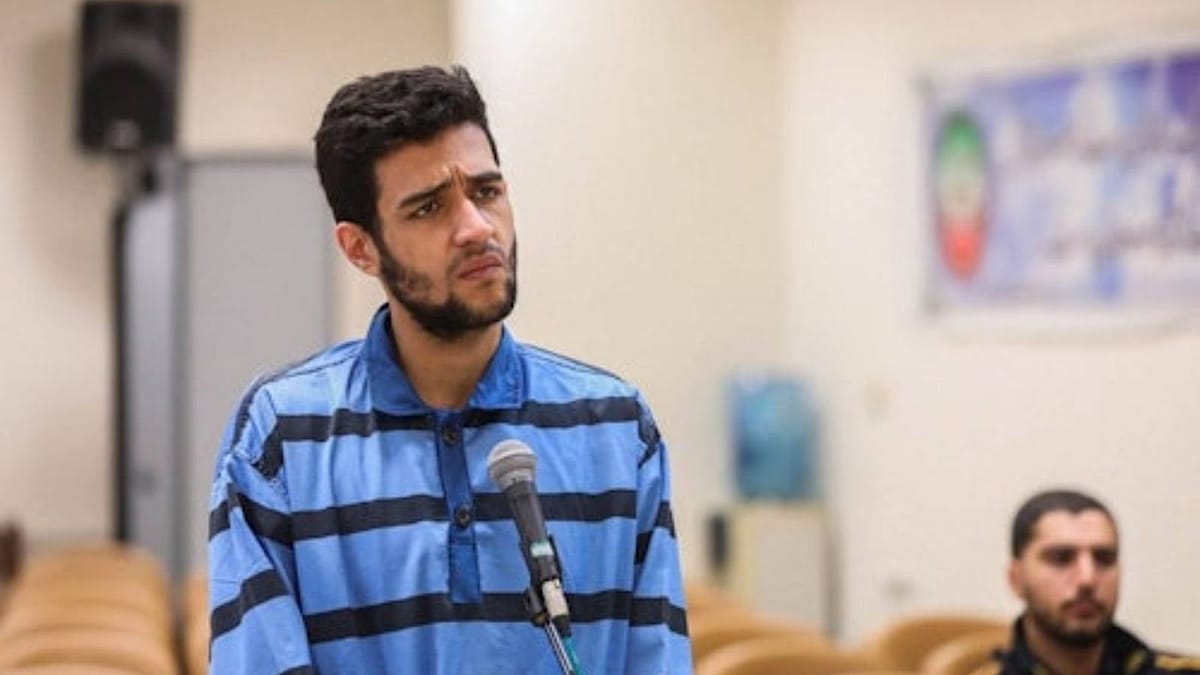
Iran executed Amirali Mirjafari on Tuesday after a Supreme Court upheld his conviction for setting fire to the Gholhak Grand Mosque in Tehran and collaborating with Israel and the United States during nationwide protests in January, according to the judiciary's Mizan news agency.
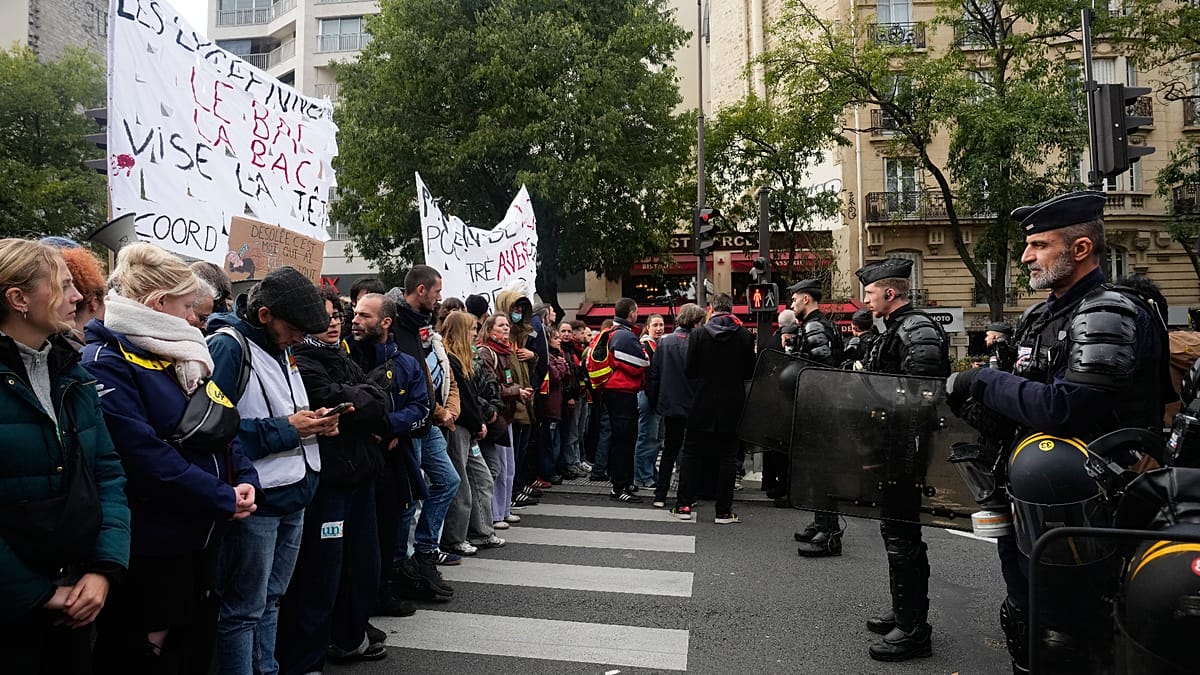
Mirjafari, described by Mizan as “one of the armed elements collaborating with the enemy” and “the leader of the Mossad network's anti-security” activities, was hanged in the morning. The protests, which began in late December over rising living costs, escalated into anti-government demonstrations that peaked on 8 and 9 January.
Official reports claim Mirjafari confessed to participating in the January protests, damaging public property, and carrying out arson attacks using gasoline-filled bottles. However, human rights groups, including Amnesty International, have repeatedly raised concerns about confessions obtained under duress in Iran's judicial system.
Rising Executions and International Concerns
The execution is part of a broader trend. The UN Special Rapporteur on human rights in Iran, Mai Sato, reported on 9 March that at least 100 people were executed in January 2026 alone. Human rights organisations warn that many more protesters could face capital punishment, though comprehensive figures remain difficult to verify.
Iranian judiciary chief Gholamhossein Mohseni Ejei has called for faster implementation of sentences against those accused of involvement in the unrest or alleged collaboration with foreign adversaries, including Israel and the United States. He has described the situation as a “full-scale war” against the country, urging penalties such as “confiscation of property and execution” to be carried out more swiftly.
US President Donald Trump and White House officials have publicly claimed that Iran halted or cancelled the execution of roughly 800 people in January. However, independent reporting and accounts from human rights groups have not corroborated a clear, verifiable pause on that scale.
Rights groups report that Tehran has accelerated the execution of political prisoners since the start of the war involving Iran, the United States and Israel on 28 February. A fragile two-week ceasefire has been in place since 8 April. The crackdown has included protesters and alleged opposition members, amid an ongoing internet shutdown.
Further executions may be imminent, including that of Bita Hemmati, believed to be among the first known female protesters facing the death penalty in connection with the January unrest. Trump called on Iran on Tuesday to release eight women facing execution, including Hemmati, describing it as a potential gesture of goodwill ahead of upcoming talks in Islamabad. In a post on Truth Social, he wrote, “Please do them no harm. It would be a great start to our negotiations.”
This execution follows a similar case reported by European Pulse, where Iran executed a former nuclear agency employee amid spy claims and rights concerns. The international community continues to monitor the situation closely, as the war and internal repression raise serious questions about human rights in Iran.