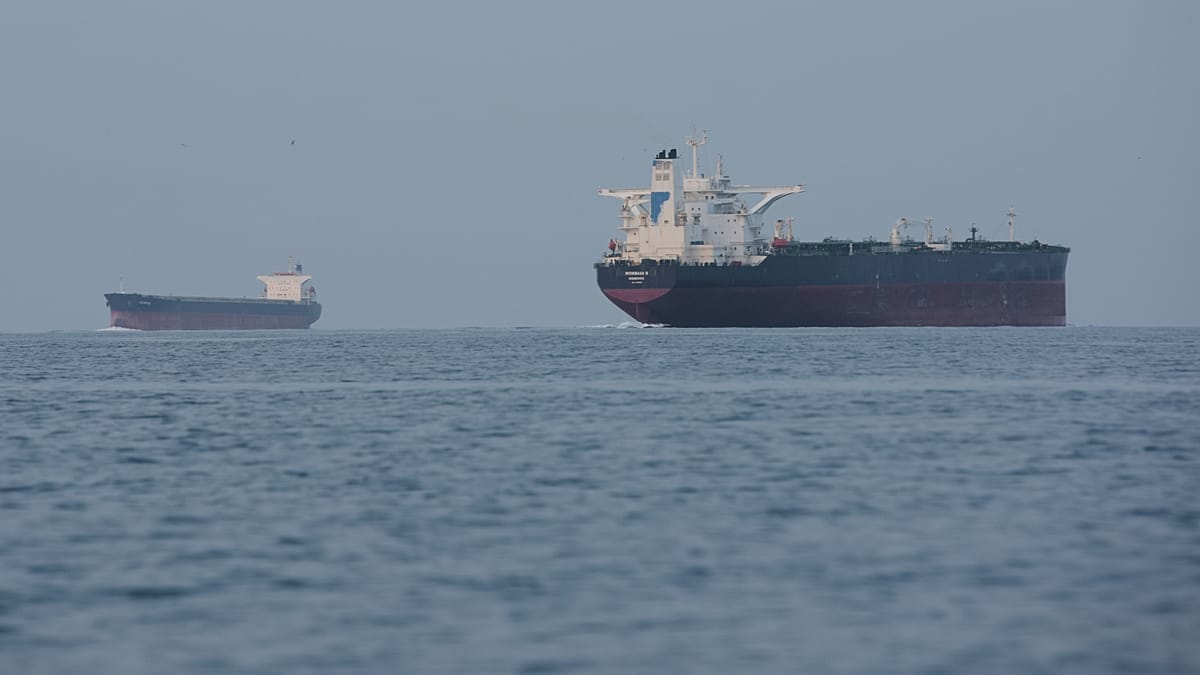
The standoff in the Strait of Hormuz escalated further this week as both the United States and Iran carried out new seizures of commercial vessels. On Thursday, the US military intercepted the oil tanker Majestic X in the Indian Ocean, accusing it of smuggling Iranian crude oil in violation of American sanctions. The move came just one day after Iran’s Revolutionary Guard Corps attacked three cargo ships in the strategic waterway, capturing two of them.
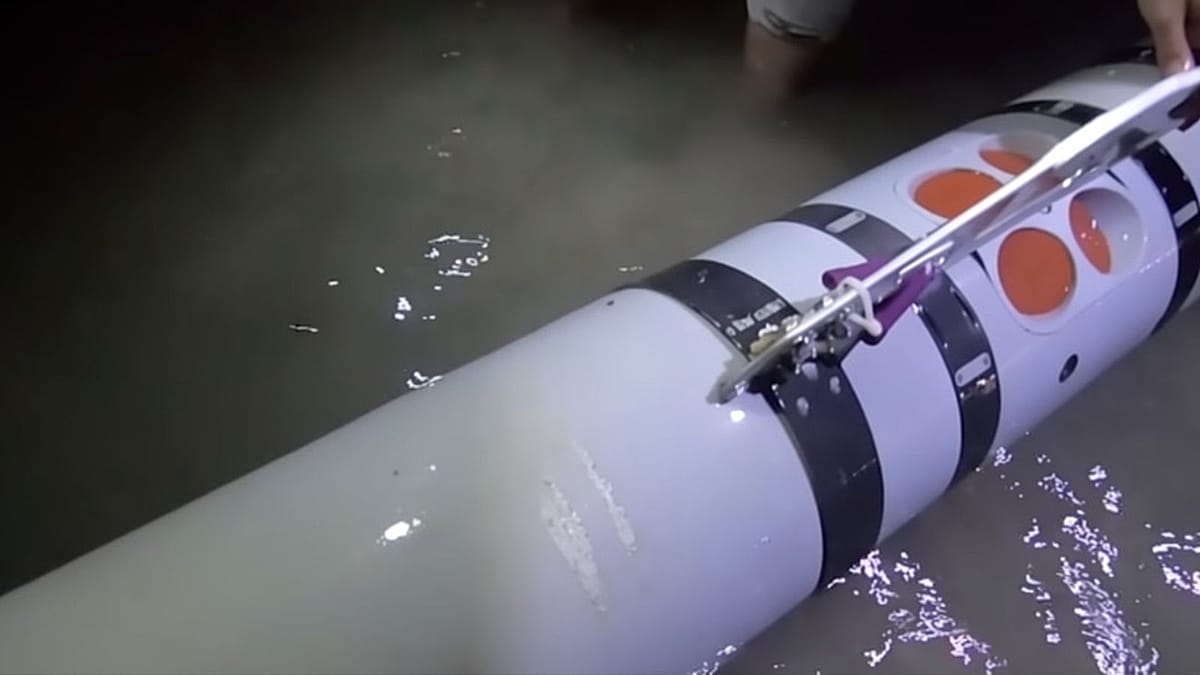
The US Defence Department released footage of the operation, showing troops boarding the Majestic X. A Pentagon statement said the US military “will continue global maritime enforcement to disrupt illicit networks and interdict vessels providing material support to Iran, wherever they operate.” Ship-tracking data placed the vessel between Sri Lanka and Indonesia, near the area where US forces earlier seized the oil tanker Tifani. The Majestic X, flying a Guyana flag, had previously been known as the Phonix and was sanctioned by the US Treasury in 2024 for smuggling Iranian oil.
Iran did not immediately respond to the latest US seizure. However, earlier on Thursday, the IRGC released its own footage of the capture of two container ships in the Strait of Hormuz, with Iranian media reporting that a third vessel was also targeted. The actions underscore the fragility of the current ceasefire between Washington and Tehran, which has halted direct military strikes but failed to restore freedom of navigation in one of the world’s most critical energy chokepoints.
Diplomatic Stalemate and Iranian Demands
Diplomatic efforts to resolve the crisis remain stalled. Iran’s parliament speaker, Mohammad Bagher Ghalibaf, declared that reopening the strait would be “impossible” while the US naval blockade remains in place, calling it a “blatant violation” of the ceasefire. President Masoud Pezeshkian echoed that sentiment, blaming Washington for the impasse and stating that “bad faith, siege and threats are the main obstacles to genuine negotiation.” Iranian officials insist that talks cannot resume unless the blockade is lifted.
Separately, Iran’s deputy parliament speaker, Hamidreza Haji Babaei, claimed that Tehran has already begun collecting transit fees from ships passing through the strait. According to the semi-official Tasnim news agency, initial revenues have been transferred to the central bank. Haji Babaei said the “first revenue from Hormuz transit tolls has been deposited” into state accounts, while another lawmaker noted that charges vary depending on cargo and navigation conditions. This move signals Iran’s intent to assert greater control over the waterway, a development with significant implications for global trade and energy markets.
The crisis has drawn attention from European capitals, given the continent’s reliance on energy imports that transit the Strait of Hormuz. EU leaders recently discussed the situation during a summit in Cyprus, where they also addressed the mutual defence clause and the war in Ukraine. The bloc has called for de-escalation and the restoration of free navigation, but has so far struggled to mediate between the two sides. Turkey, meanwhile, has hosted talks among middle powers in Antalya to explore alternative trade routes, reflecting the broader economic fallout.
US officials have warned that even if an agreement is reached, restoring normal shipping could take considerable time. The Pentagon estimates that clearing Iranian sea mines in the strait could take up to six months, while separate assessments suggest it might take weeks before commercial traffic resumes at pre-crisis levels. Ship owners and insurers are likely to remain cautious, requiring more than a simple peace announcement to venture through the strait. According to Rystad Energy, an analytical firm, repositioning the world’s tanker network after a conflict ends could take six to eight weeks.
The ongoing seizures and the hardening of Iranian positions highlight the deep mistrust between the two countries. For Europe, the stakes are high: any prolonged disruption in the Strait of Hormuz could drive up energy prices and complicate supply chains, adding to the economic pressures already stemming from the war in Ukraine. As the standoff continues, the EU’s ability to influence events remains limited, but its interest in a stable and open waterway is undeniable.