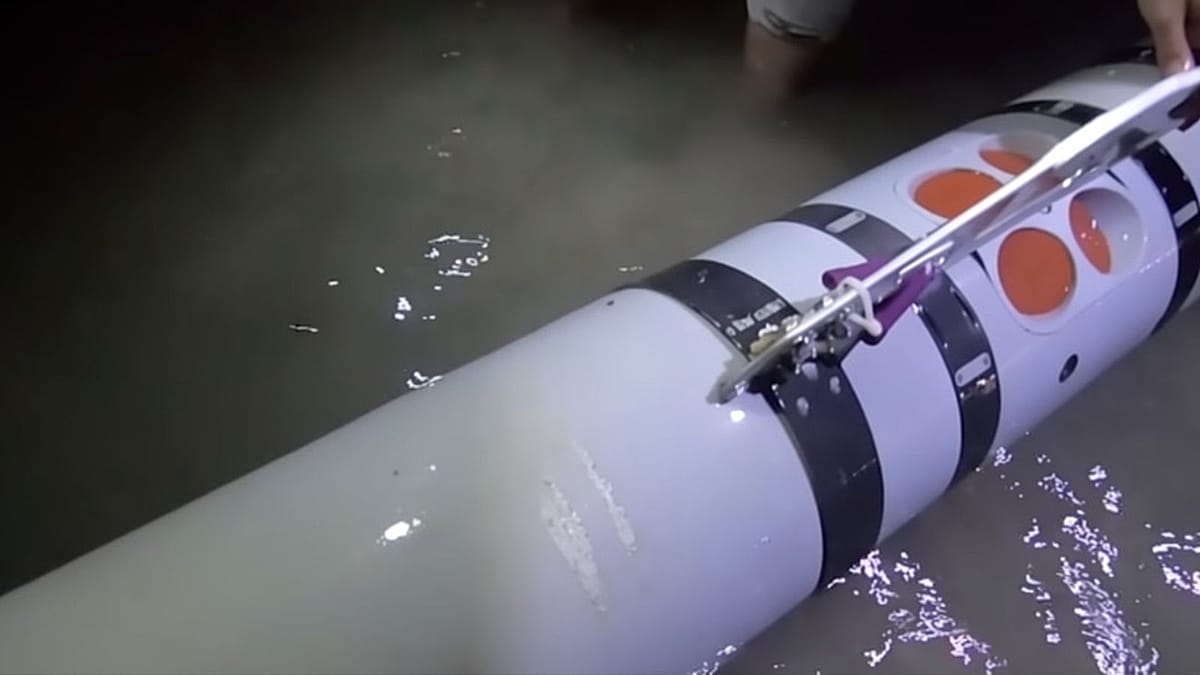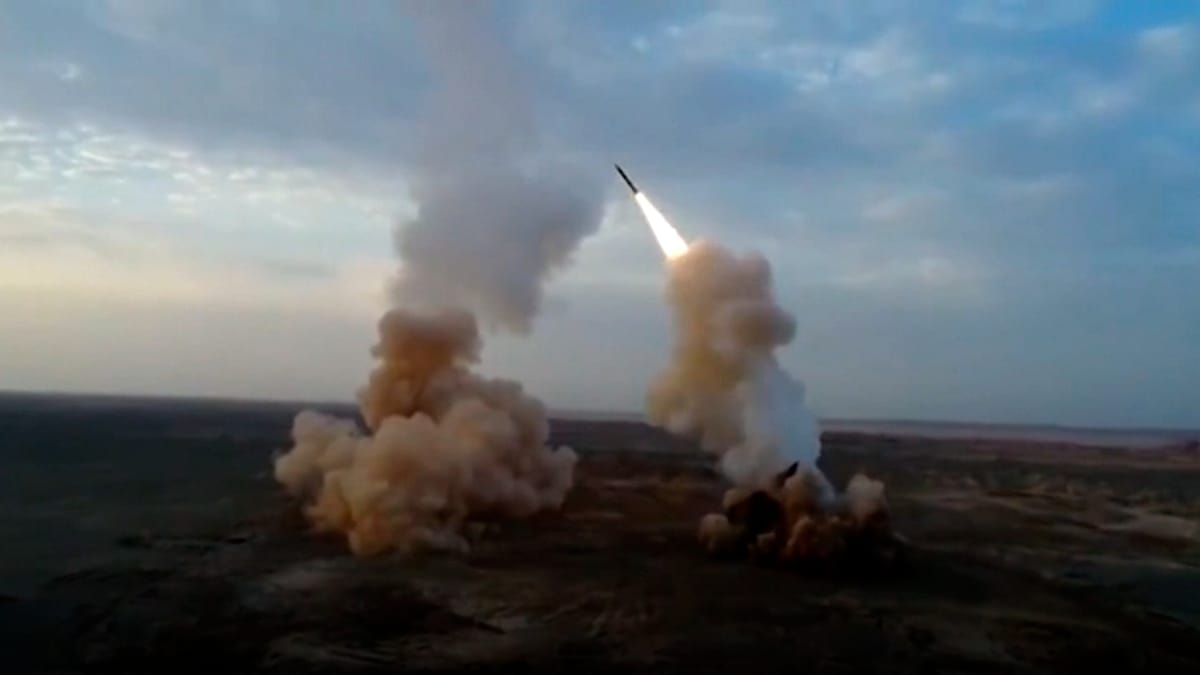
Iran's Islamic Revolutionary Guard Corps (IRGC) claimed responsibility for a series of missile and drone strikes early Wednesday against what it described as command-and-control, logistical, petroleum, and military equipment installations belonging to the US Fifth Fleet in Bahrain and Kuwait. The attacks mark a significant escalation in the ongoing confrontation between Tehran and Washington, which has now entered its fourth consecutive night of US strikes against Iranian targets.
The IRGC stated that the strikes were a direct response to American military operations and attempts to control the Strait of Hormuz, a vital chokepoint through which roughly a fifth of the world's oil and natural gas trade passes during peacetime. In a statement quoted by local media, the Guards warned that if Washington continues to obstruct regional energy exports by controlling maritime passages, Iran would shut down other energy lines serving US and partner interests. The statement declared that regional energy exports would be "for everyone or for no one," though it did not specify which routes might be targeted.
Missile alert warnings were issued in Bahrain and Kuwait early Wednesday as Iranian projectiles approached. Jordan also reported shooting down three incoming Iranian missiles. The Kuwaiti army confirmed that its air defences were repelling "hostile" Iranian drone assaults. US Navy Admiral Brad Cooper, head of Central Command, confirmed in a statement that Iran had launched dozens of missiles and drones at neighbouring Gulf Arab countries.
The US military responded with a fresh wave of strikes, lasting seven hours, targeting Iranian missile and drone sites, naval capabilities, and coastal defence systems. Central Command (CENTCOM) wrote on X that "US fighter aircraft, drones, and naval vessels launched precision munitions" to further degrade Iran's ability to threaten commercial shipping and civilian crews. This operation coincided with President Donald Trump's reinstatement of a blockade on Iranian shipping around the Strait of Hormuz, a move that has already escalated tensions in the region.
In a Tuesday night interview with Fox News, Trump threatened to strike Iranian power plants and bridges if Tehran does not come to the bargaining table. "We're going to knock out all their power plants. We're gonna knock out their bridges unless they get to the table and negotiate," he said. Trump added that he would "save the energy targets for last, but ultimately we'll hit energy targets." This is not the first time the US president has issued such a threat; he previously hinted at similar measures during earlier phases of the conflict.
European Implications of the Gulf Crisis
The escalating conflict between the United States and Iran carries significant consequences for Europe. The Strait of Hormuz is a critical artery for European energy imports, particularly for countries like Italy, Spain, and Greece, which rely heavily on Middle Eastern oil and liquefied natural gas. Any sustained disruption to shipping through the strait could drive up energy prices across the continent, compounding the effects of the ongoing war in Ukraine and the broader energy transition.
European diplomats have expressed concern over the unilateral US blockade and the potential for a wider regional war. The European Union has historically sought to maintain dialogue with Iran through the Joint Comprehensive Plan of Action (JCPOA) framework, though that agreement has been in tatters since the US withdrawal in 2018. The current crisis could further strain transatlantic relations, as European capitals may view Trump's aggressive posture as undermining diplomatic solutions.
Meanwhile, the conflict also threatens to destabilise neighbouring countries that host US military bases, including Bahrain and Kuwait, both of which are key partners for European security cooperation in the Gulf. The daily missile alerts and drone incursions risk drawing these nations deeper into a confrontation that could spill over into the broader Middle East.
For European readers, the situation echoes the broader pattern of US-Iranian tensions that have periodically flared since the 1979 revolution. The current escalation, however, is unprecedented in its scale and the direct targeting of US allies' territory. The IRGC's threat to disrupt other energy lines—potentially including pipelines or shipping routes in the Mediterranean or Red Sea—could directly affect European energy security.
As the crisis unfolds, European policymakers will be watching closely to see whether Trump's threats of strikes on Iranian power plants are carried out, and whether Tehran will respond with further attacks on US allies or attempt to disrupt global energy markets. The coming days will be critical in determining whether the region slides back into all-out war or whether diplomatic channels can be reopened.