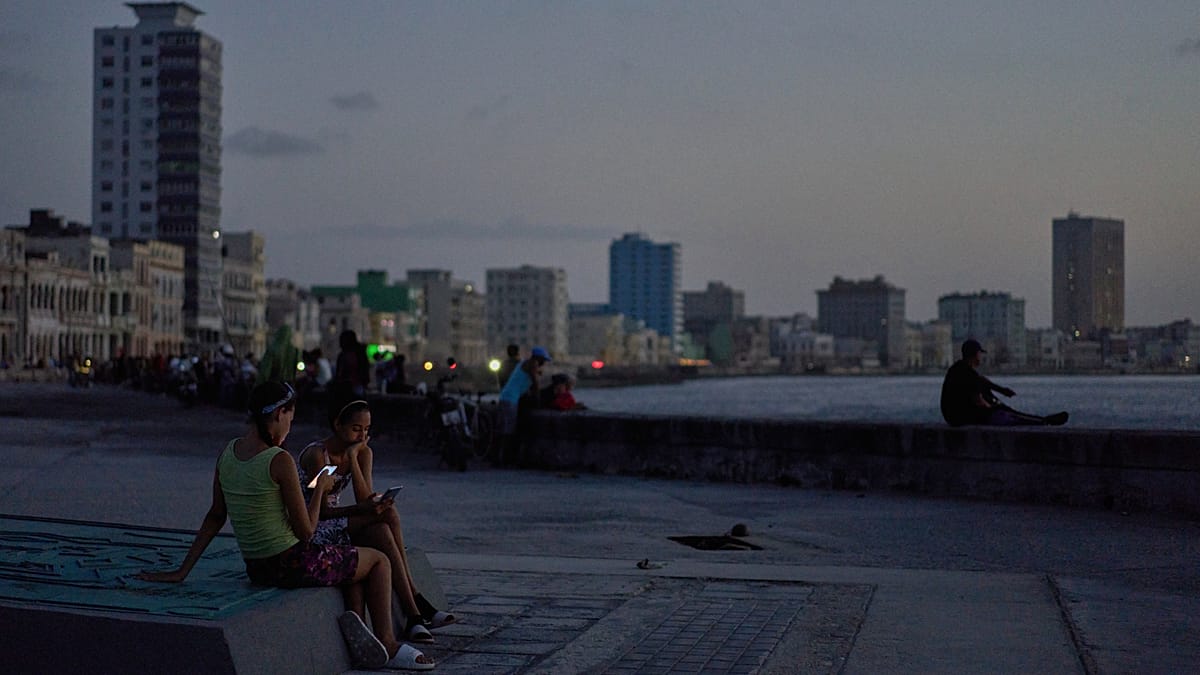
Havana — Cuba experienced its third nationwide blackout in under two weeks on Tuesday, as the National Electric System (SEN) failed once again, plunging the island into darkness. The state-owned Electric Union attributed the collapse to a problem with a generating unit in the eastern province of Holguín, which caused a sudden frequency change that triggered a grid-wide shutdown.
The blackout comes amid a severe fuel shortage that has gripped Cuba since January, when US President Donald Trump threatened tariffs on any nation supplying or selling oil to the island. This embargo has compounded a five-year economic crisis driven by previous sanctions and failed domestic policies, such as monetary unification. Cuba produces only 40% of the fuel it needs, and no immediate solution for imports is in sight.
Restoration Efforts Underway
Authorities from the Ministry of Energy and Mines and the Electric Union stated that protocols for restoring the grid have been activated. This involves establishing micro-islands — isolated power zones — that are gradually interconnected to supply priority locations such as hospitals and food processing plants. By Tuesday afternoon, some parts of Havana had power restored, with officials reporting that 4% of the city had electricity. Provinces including Guantánamo and Cienfuegos began distributing power to hospitals, while Matanzas confirmed restoration in its historic centre.
Last week, two nationwide blackouts — on Monday and Friday — left more than 9 million Cubans without power, adding to two earlier outages in March and several regional failures. The cumulative impact has been devastating: public transportation has largely halted, tens of thousands of surgeries have been cancelled, and basic functions like cooking, water supply, internet, and phone service have been disrupted.
The energy embargo, implemented by Washington in January after the capture of Venezuela's then-President Nicolás Maduro, has tightened the screws on Cuba's already fragile economy. On Tuesday, four Democratic members of Congress who visited Cuba over the weekend described the embargo as turning the island into a "silent Gaza," highlighting the humanitarian toll.
For European observers, the crisis underscores the vulnerability of small island economies to external energy shocks. While the EU has pursued energy diversification — with solar power hitting a record 25% of EU electricity in June — Cuba's reliance on imported oil leaves it exposed. The situation also echoes broader geopolitical tensions, as the US continues to enforce sanctions that affect global energy markets.
The blackouts have forced Cubans to adapt, with many relying on generators and solar panels where available. However, the scale of the crisis is unprecedented, and the lack of fuel for transportation has isolated communities. As the island struggles to restore power, the international community watches closely, with implications for energy security and humanitarian policy in the region.