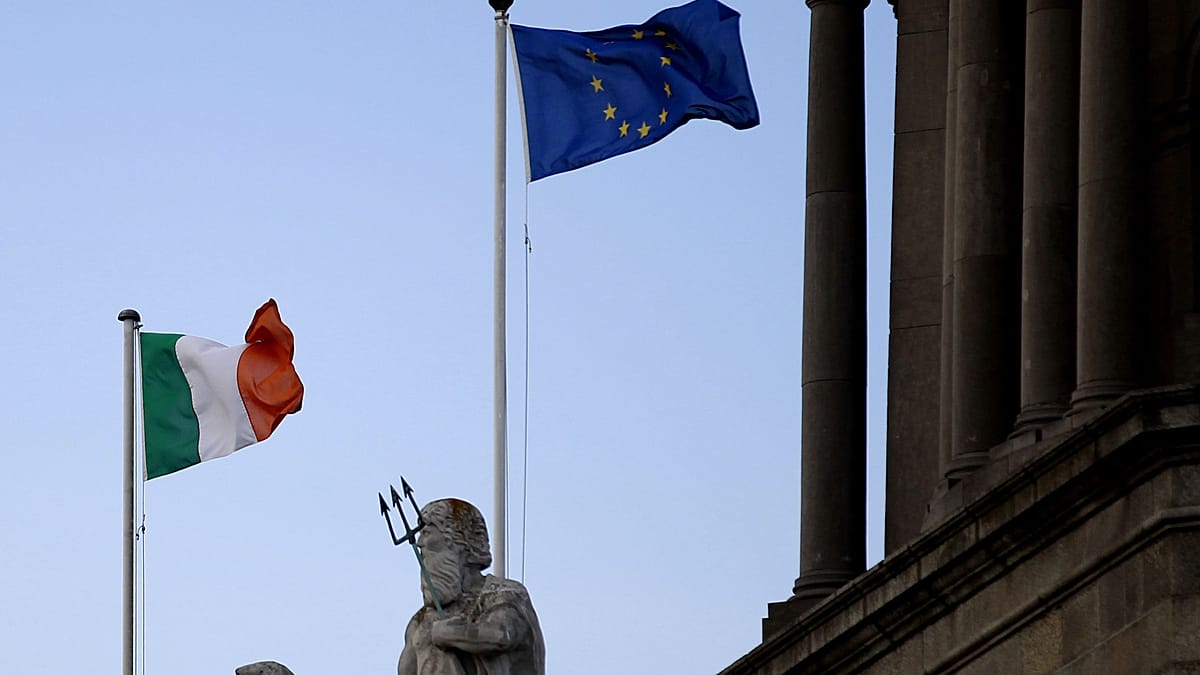
Every six months, a different EU member state assumes the rotating Presidency of the Council of the European Union, steering negotiations on critical policy files. While public consultations are encouraged, most governments rely on targeted discussions with industry, academia, and NGOs. Ireland's approach, however, stands out as a transparent and inclusive model that gave all stakeholders a meaningful voice.
A Blueprint for Inclusive Governance
On 5 November 2025—eight months before its Presidency—Ireland launched an online public consultation that ran for five weeks and three days, with late submissions accepted. The initiative was promoted across government and non-governmental platforms, including press releases and websites.
Respondents answered four mandatory background questions and five open-ended ones, each limited to 500 words. They were asked to propose high-level thematic priorities, specific policy areas and legislative proposals, and ways the Council's work could positively impact people, businesses, and communities across the EU.
The consultation received 484 submissions from individuals, civil society groups, businesses, academics, and representative bodies. According to the summary's Annex I, the public prioritized competitiveness (14.15%), values (12.32%), and health (11.46%). Within competitiveness, 57.8% identified simplification as the top priority, while 36.2% highlighted technological advancement, innovation, and research.
This open format not only allowed Irish policymakers to gauge public sentiment but also raised awareness and stimulated interest in EU affairs—a domain often met with indifference. The simplicity of the design, with clear questions and a straightforward submission process, enabled broad participation, including from those not deeply involved in EU or public affairs.
Ireland's approach challenges the assumption that member states have limited scope to reflect national perspectives within the Presidency's agenda. By engaging the public early, Dublin can align its priorities with citizen concerns, potentially influencing the broader EU agenda. This model could serve as a template for other member states seeking to enhance democratic legitimacy and transparency.
As Ireland prepares for its Presidency, it faces several urgent challenges, including the ongoing debate over alumina exports to Russia and the push to advance Ukraine's EU accession. The public's input on competitiveness and values will be crucial as Dublin navigates these issues.
This consultation offers a blueprint for 21st-century democracy, demonstrating how technology can bridge the gap between citizens and EU institutions. By making the process accessible and transparent, Ireland has set a standard that other member states—from Berlin to Bucharest—could emulate to strengthen the Union's democratic fabric.