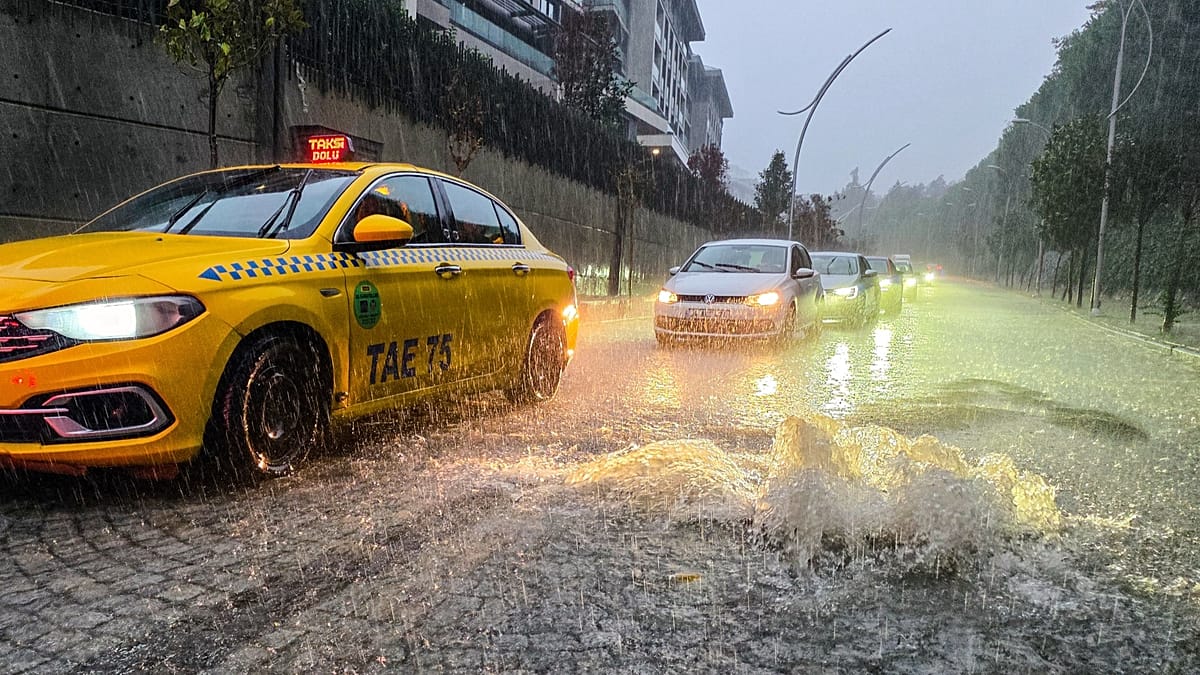
Istanbul came to a standstill on Thursday after a night of torrential rain flooded homes, businesses, and major roads, leaving at least two people dead and hundreds stranded. The downpour, which began on Wednesday evening and continued into the morning, turned streets into rivers and forced authorities to suspend education and advise residents to stay indoors.
The Istanbul Metropolitan Municipality reported that some areas received the highest rainfall since 1985, a stark reminder of the city's vulnerability to extreme weather. Emergency crews worked through the night to rescue people trapped in workplaces and vehicles, while bystanders helped pull others from flooded underpasses.
Fatalities and rescue efforts
Local media confirmed two deaths linked to the flooding. A 14-year-old was electrocuted after stepping into a puddle in a park in the Fatih district, and a 34-year-old died after slipping on a sidewalk in the Sariyer district and hitting their head. The victims' identities have not been officially released.
Rescue teams, including divers and boats, were deployed across the city to reach those stranded. Hundreds of people were evacuated from offices and public buildings where they had taken shelter overnight. Social media footage showed cars half-submerged on highways and passengers standing on rooftops awaiting help.
The governor's office announced that schools would remain closed on Thursday and that some state employees would be given leave. Authorities also barred motorcycles from traffic and urged residents living in basement apartments to spend the night elsewhere, citing the risk of flash flooding.
Heavy rain was still falling on Thursday morning, complicating recovery efforts. Meteorologists warned that more precipitation was expected throughout the day, raising concerns about further damage.
The flooding is the latest in a series of extreme weather events affecting the region. Just last month, Bangkok experienced similar chaos when heavy rains turned streets into canals. While Istanbul has invested in flood defenses in recent years, the sheer volume of water overwhelmed drainage systems.
Climate scientists have long warned that Mediterranean cities like Istanbul face increased risks from intense rainfall due to rising global temperatures. The city's rapid urbanization and aging infrastructure have compounded the problem, making it difficult to cope with such extreme events.
Local authorities have urged patience as they work to clear blocked roads and restore normalcy. "We are doing everything we can to ensure the safety of our citizens," said a spokesperson for the municipality. "Please stay home unless absolutely necessary."
The economic impact is likely to be significant, with businesses forced to close and transportation networks disrupted. Istanbul is Turkey's commercial hub, and the flooding has already halted ferry services and delayed flights at both of the city's airports.
As the city begins to dry out, questions are being raised about the adequacy of its preparedness for climate-related disasters. The tragedy underscores the urgent need for investment in resilient infrastructure, not just in Istanbul but across Europe, where extreme weather is becoming more frequent.