In a case that has captivated Italy, a 69-year-old man has been sentenced to prison for constructing a counterfeit Roman amphitheatre in the northern city of Vicenza and charging visitors €40 to see it. Franco Malosso 'von Rosenfranz' claimed to have discovered the so-called Berico Maritime Amphitheatre after a landslide in 2005, promoting it as one of the world's oldest and largest such structures, dating back to AD 393.
Malosso, who described himself as a 'philanthropist, entrepreneur and orchestra conductor', wove an elaborate historical narrative around his creation. He told visitors that Julius Caesar had visited the site on his return from Egypt with Cleopatra, and that Shakespeare's fictional character Juliet Capulet had lived in an old church there. He even managed to persuade local authorities to include the amphitheatre in Vicenza's EU-funded tourism guide and mobile app.
How the fraud unravelled
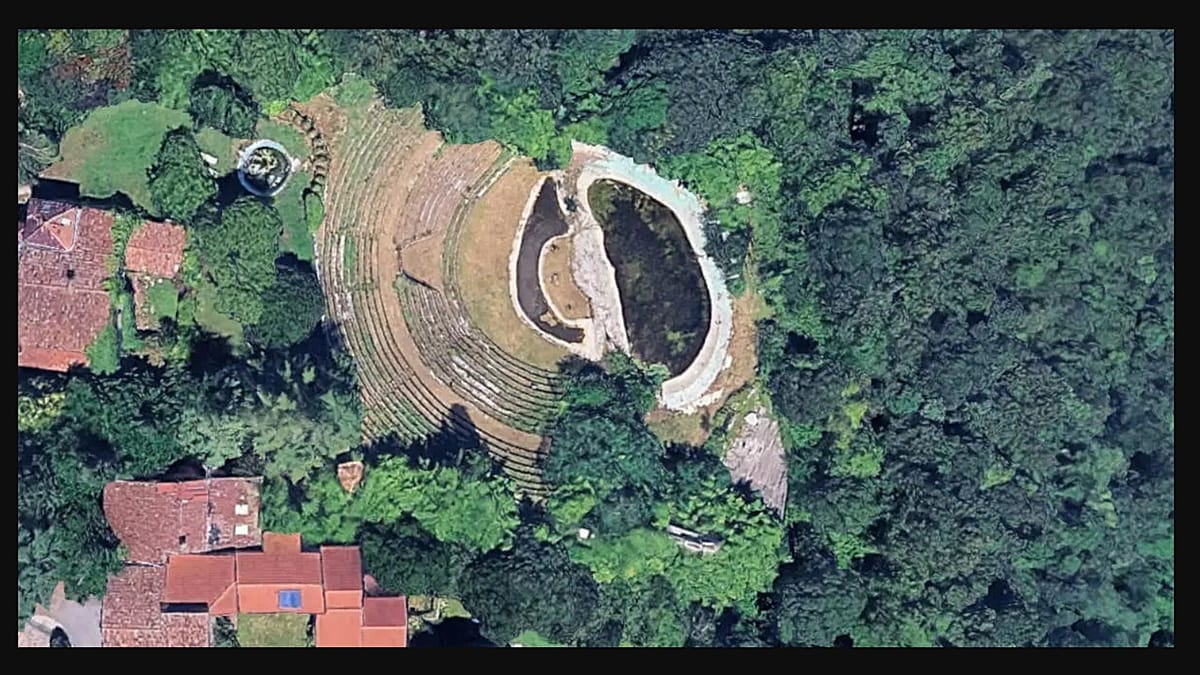
Suspicions first emerged in 2016 when archaeologists called in by Italy's Carabinieri military police began investigating. They discovered that the 'ancient' structure contained fibreglass, papier-mâché columns, rendered blocks, and plaster statues dating from the early 2000s. Satellite imagery revealed that Malosso had levelled a hill before building the bogus monument on the cleared area.
Further historical detective work exposed the inconsistencies: Julius Caesar lived around 400 years before the claimed construction date, and the setting of Shakespeare's Romeo and Juliet is Verona, not Vicenza. The fraud was not just a matter of historical inaccuracy but a deliberate deception that netted thousands of euros from unsuspecting tourists.
Malosso has been sentenced to two years and four months in prison for illegal construction, art forgery, and creating works without authorisation. He has also been fined €3,000. The case has drawn attention to the lengths some will go to exploit Italy's rich cultural heritage, a theme that resonates across Europe as countries grapple with the balance between tourism promotion and authenticity.
Italy's historic condominium theatres are seeking UNESCO World Heritage status, highlighting the country's commitment to preserving genuine cultural landmarks. Meanwhile, the incident in Vicenza serves as a cautionary tale about the risks of unchecked tourism marketing.
The case also underscores broader European concerns about fraud in the cultural sector. As the continent's tourism industry recovers, authorities are increasingly vigilant against those who would fabricate history for profit. For now, the Berico Maritime Amphitheatre stands as a monument not to ancient Rome, but to modern deception.