Workers across Italy's former Ilva steel sites are set to walk out on 12 October, following a tense meeting with government officials at Palazzo Chigi. The strike, announced by unions, comes as Acciaierie d'Italia, the company now running the plants, moves to suspend operations in Taranto, Genoa, and Novi Ligure, putting more than 2,000 jobs at immediate risk.
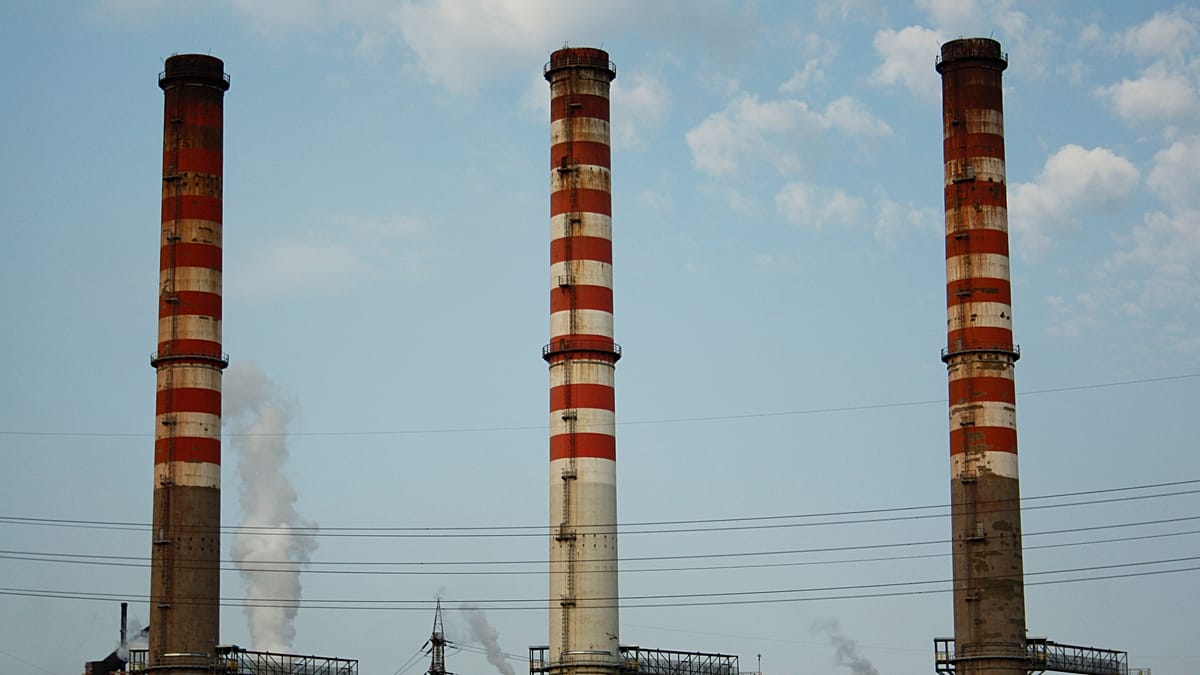
The crisis deepened on Friday when production at the hot end of the Taranto steelworks—the heart of Italy's largest industrial site—was halted. The suspension follows a ruling by the Milan Court of Appeal, and the facilities will remain on heated standby, operating at the minimum technical level to keep the furnaces warm without actually producing steel. Acciaierie d'Italia confirmed the move in a note to the prefect, local authorities, and law enforcement, stating that the shutdown will remain in place until the Court of Cassation rules on appeals lodged by Ilva and Acciaierie d'Italia on 20 October.
Government under pressure
The government, led by Prime Minister Giorgia Meloni, is scrambling to respond. Alfredo Mantovano, undersecretary to the prime minister's office, stressed the need for an emergency decree that would include social protections for workers and a wage-support scheme not tied to plant closures. The decree is expected to be submitted at the next council of ministers, scheduled for Tuesday. Mantovano said the government is "assessing whether there is scope to avoid a complete shutdown so as not to cause irreparable damage to the plants," before focusing on green steel production using DRI plants—which do not rely on blast furnaces—and electric furnaces, provided this is part of a "credible industrial plan."
But the announcement that the former Ilva plants in Genoa and Novi Ligure will also face a "temporary general shutdown" by 15 November has sparked outrage. The mayors of Genoa and Novi Ligure, Silvia Salis and Rocchino Muliere, called the move "completely unacceptable." Salis warned that it is "an untenable prospect for workers, for Genoa and Novi Ligure, and for our country’s entire steel industry."
The presidents of Liguria and Piedmont, Marco Bucci and Alberto Cirio, issued a joint statement describing the closures as "extremely serious news, not only for Liguria and Piedmont, but for the entire Italian steel industry, which is strategic for the country’s industrial future."
Trade unions echoed the sentiment. Michele de Palma, general secretary of Fiom-Cgil, who attended the meeting at Palazzo Chigi, said: "The workers have shown a great sense of responsibility, and we must therefore ensure that the cost of decisions and mistakes – which are not the workers’ fault – is not passed on to all the workers at the former Ilva plants."
The USB union went further, arguing that a country’s industrial strategy "is not decided by the judiciary." Sasha Colautti, a member of the national executive, insisted that the government’s powerlessness in the face of the courts must not become an excuse.
The situation could deteriorate further if the blast furnaces at Taranto are taken off heat before the Court of Cassation issues its ruling. A permanent shutdown of the hot end would make any subsequent restart impossible, effectively ending steel production at the site and rendering any Supreme Court decision moot.
The crisis at Taranto is not just a local issue; it resonates across Europe's industrial landscape. The fate of the former Ilva plants is being watched closely in Brussels, where the EU is pushing for a green transition in heavy industry. The Italian government's handling of this crisis could set a precedent for how other member states manage the shift away from traditional steelmaking. As Italy's industrial future hangs in the balance, the stakes are high for workers, the economy, and the country's standing in the European steel sector.
For now, the workers are preparing to take to the streets, and the government is racing against time to find a solution that avoids the worst-case scenario. The next few weeks will be critical, not only for the thousands of families directly affected but for the entire Italian steel industry, which has long been a cornerstone of the nation's industrial identity.