For hikers planning an active holiday in Japan, a new long-distance route has just opened that promises a deep dive into rural landscapes and local history. The Hitachinokuni Long Trail, now fully accessible, stretches 320 kilometres across the northern part of Ibaraki Prefecture, about two hours by train from Tokyo. It is the country's longest loop trail, and its completion marks the end of a seven-year effort that began in 2019 with the Ibaraki Prefecture and the Hitachi Province Trail Club.
Six towns, one continuous path
The trail connects Kitaibaraki, Takahagi, Hitachi, Hitachi Ota, Hitachi Omiya, and Daigo, winding through what the Japanese call satoyama – rural zones where human settlements coexist with mountains, meadows, ponds, and rice fields. Unlike many alpine routes in Japan, the Hitachinokuni Long Trail stays at relatively low elevations and is rarely affected by heavy snow, making it a viable year-round hiking destination. However, walkers should come prepared: refuelling points are sparse, and some sections involve rocky terrain or steep climbs.
Because the trail is a loop, hikers can start at any point and tailor the experience to their fitness level. The route is broadly divided into five areas, each with its own character.
Central area: for the experienced
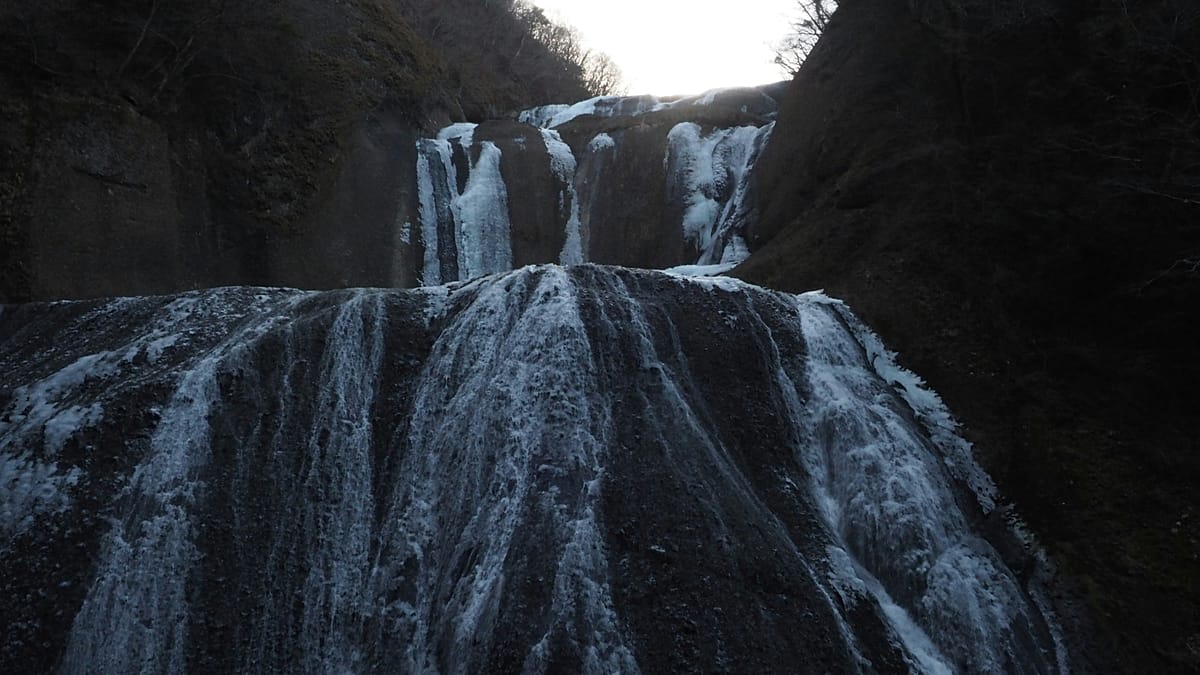
The Central Area, located in the Yamizo mountain range on the northern edge of Daigo, is among the most demanding. It features continuous steep ascents and descents, rewarding those who tackle it with views of Fukuroda Falls, the rocky peaks of Okukuji Nantaiyama, and the Ryujinkyo Gorge. This section is best suited to seasoned hikers looking for a physical challenge.
Northeast: coast and ancient trade routes
The Northeastern portion combines mountain hiking with coastal scenery. Highlights include the high peaks of Eizomuro and Hanazono Yama, as well as the beaches at Kohama and Sasaki. History buffs will appreciate the Salt Road, an ancient trade route, and the Jikkoku Canal, which dates back to the Edo period (1603–1868).
Southeast: waterfalls and castle ruins
The Southeastern area, which opened in 2024, begins at Hananuki Valley and climbs Mount Tsuchidake, offering panoramic views of the surrounding countryside. The route passes waterfalls and historic sites such as the Kitadaimon Castle ruins before concluding at the Kuji River. This section provides a good mix of natural beauty and cultural heritage.
Southwest: flora, fauna, and gold mining
In Hitachiomiya City, the Southwest area leads hikers through mountains rich in biodiversity, including the Iwauchiwa flowering plant. The region once thrived on gold mining, and remnants of that era add an industrial-historical layer to the trek.
Northwest: sacred summits
The Northwest area includes Mount Yamizo, where visitors can explore the Yamizomine Shrine, believed to date back to the 1st century. At the summit, a castle-shaped observation deck provides sweeping views over the mountains of Fukushima and Tochigi prefectures.
For European travellers who enjoy long-distance walking, the Hitachinokuni Long Trail offers a different kind of Japanese experience – one that moves beyond the crowded urban centres and into the quieter, agricultural heart of the country. It also echoes the growing interest in slow travel and cultural immersion, a trend that has been gaining traction across Europe, where initiatives like medieval trails in the Eastern Alps are drawing hikers into history-rich landscapes.
While the trail is a Japanese achievement, its appeal is universal. For those planning a European hiking season, the contrast is instructive: Europe's own long-distance paths, such as the Via Alpina or the Camino de Santiago, are well established, but Japan's newest route shows how a well-designed loop can connect communities and preserve cultural heritage. As more travellers seek meaningful outdoor experiences, the Hitachinokuni Long Trail stands as a model of regional development through tourism.
The trail's opening also coincides with a broader push in Japan to attract international visitors beyond the Golden Route. For Europeans, it's a chance to combine a trip to Tokyo with a multi-day hike that reveals a side of Japan rarely seen in guidebooks. And with the country's efficient rail network, reaching the trailhead is straightforward, making it an accessible addition to any active itinerary.