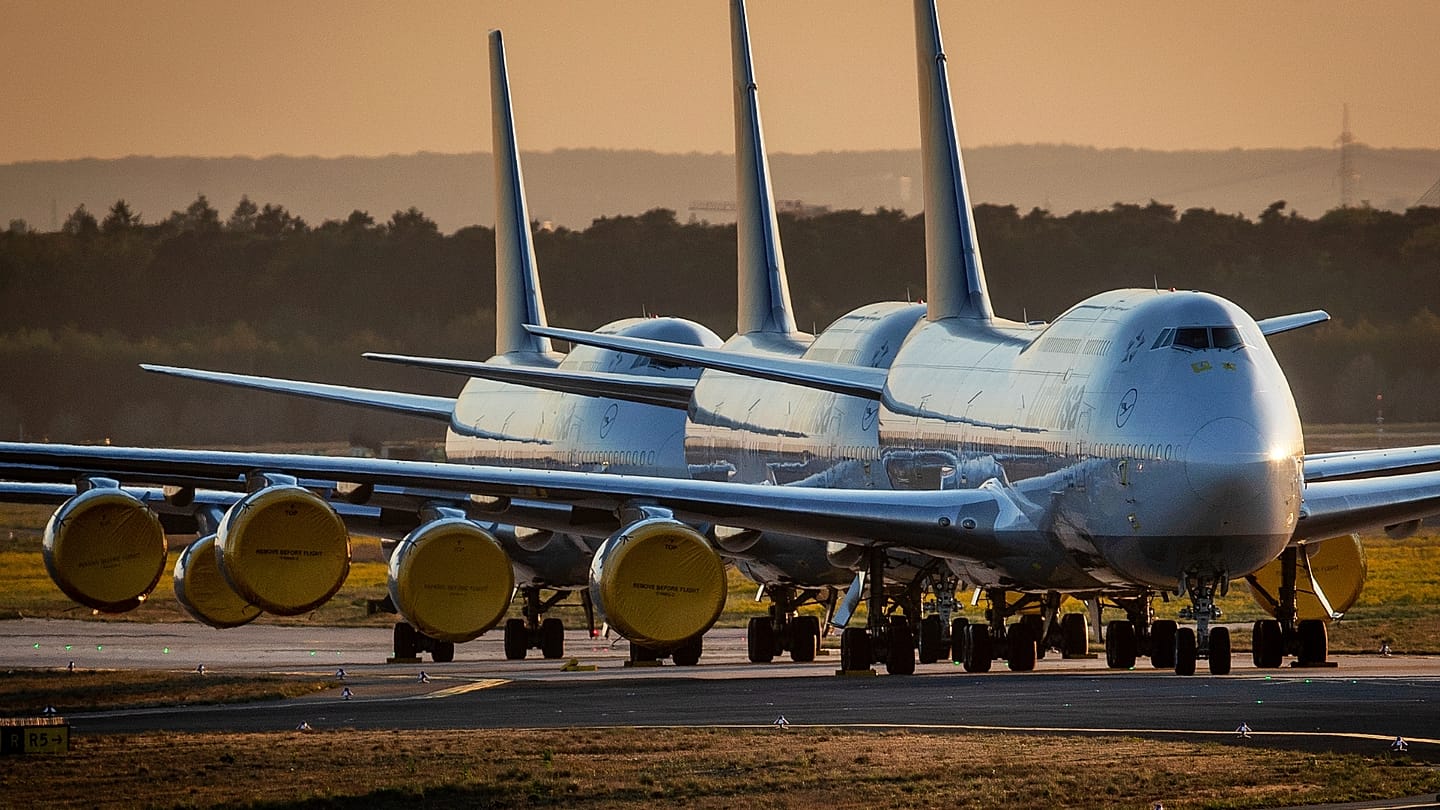
The global airline industry is bracing for a sharp profit squeeze as jet fuel costs, driven higher by geopolitical tensions surrounding Iran, are set to wipe out half of expected earnings this year. The latest outlook from the International Air Transport Association (IATA) reveals a stark contrast between booming demand and shrinking bottom lines.
Revenues are forecast to climb strongly, with passenger traffic reaching new highs. Yet the cost of jet fuel — now accounting for a significantly larger share of operating expenses — is eroding those gains. European carriers, already navigating higher carbon costs and fragmented airspace, are among the most exposed.
Fuel Costs Bite Deeper
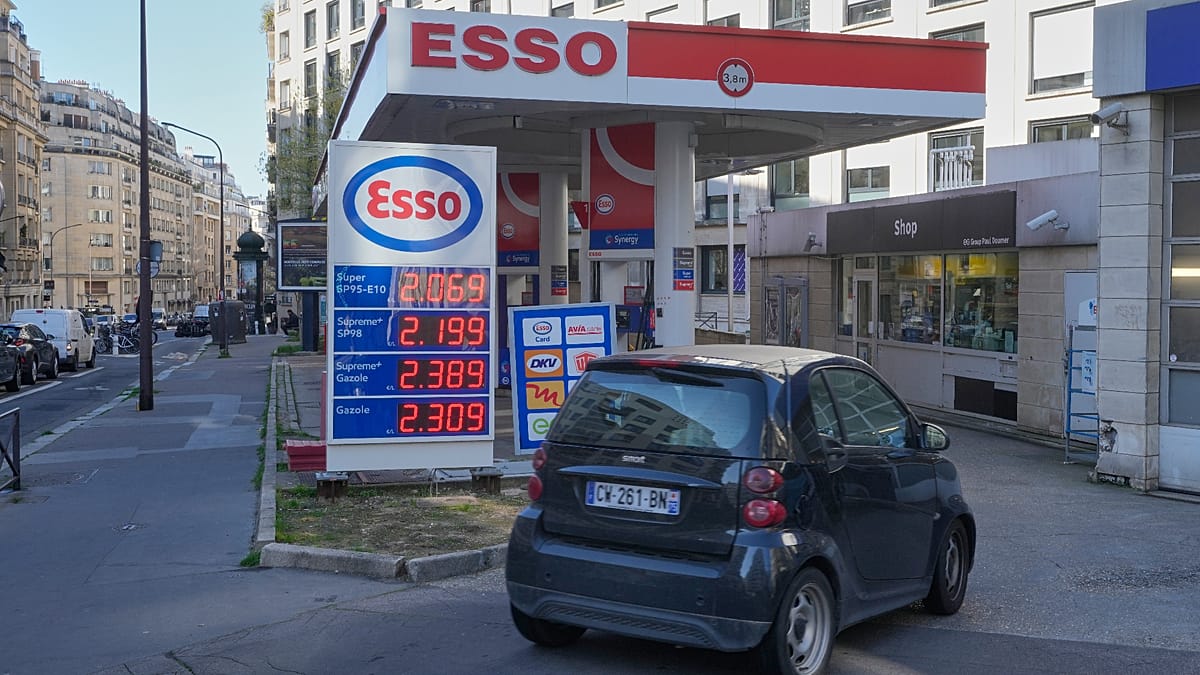
Jet fuel prices have risen sharply since early 2025, driven by instability in the Middle East and fears of supply disruptions. For airlines operating out of hubs like Frankfurt, Paris-Charles de Gaulle, and London Heathrow, the impact is immediate. Fuel now represents roughly 30% of operating costs for many European flag carriers, up from around 25% a year ago.
The profit warning is not limited to Europe. Carriers in Asia and North America are also feeling the pinch. But European airlines face additional headwinds: the EU’s Emissions Trading System (ETS) adds a layer of cost, and the bloc’s push for sustainable aviation fuels, while necessary for decarbonisation, raises short-term expenses.
“The industry is caught between record demand and a cost structure that is becoming unsustainable,” said an industry analyst based in Brussels. “European airlines, in particular, are squeezed by regulatory pressures and fuel price volatility.”
The situation echoes earlier shocks, such as the 2022 spike following Russia’s invasion of Ukraine, which sent fuel costs soaring and forced several carriers to restructure. This time, the trigger is different — Iran-linked tensions — but the effect is similar: a rapid erosion of margins.
Record Traffic, Lower Profits
Passenger numbers are expected to exceed pre-pandemic levels in 2025, with strong demand for both leisure and business travel. Airlines have added capacity, particularly on routes connecting European cities like Berlin, Madrid, and Rome with destinations in Asia and the Americas. Yet the revenue uplift is being swallowed by fuel costs.
IATA’s revised forecast suggests global net profits will fall to around $30 billion, down from an earlier estimate of $60 billion. For European airlines, the profit margin is expected to narrow to less than 3%, compared with 5% for North American carriers, which benefit from a more consolidated market and lower fuel taxes.
The disparity highlights structural weaknesses in Europe’s aviation market. Fragmented air traffic control, high airport charges, and labour shortages continue to weigh on efficiency. The European People’s Party chief Manfred Weber has warned that without coordinated action, European industry — including aviation — risks falling behind global competitors.
Some airlines are hedging fuel costs more aggressively, locking in prices months in advance. Others are passing on costs to passengers through higher fares and surcharges. But with consumers already facing inflation in other sectors, there are limits to how much can be passed through.
The outlook also casts a shadow over planned investments in fleet renewal and sustainability. European carriers have committed to buying more fuel-efficient aircraft and scaling up use of sustainable aviation fuels (SAF). But higher operating costs could delay those investments, slowing the transition to greener aviation.
Meanwhile, the broader geopolitical picture remains uncertain. The Iran situation is fluid, and any further escalation could push fuel prices even higher. For European airlines, the immediate priority is managing costs while maintaining service levels. The longer-term challenge is to build resilience against a volatile energy market.
As one senior executive at a major European carrier put it: “We are flying into headwinds — literally and figuratively. The demand is there, but the economics are getting tougher by the day.”