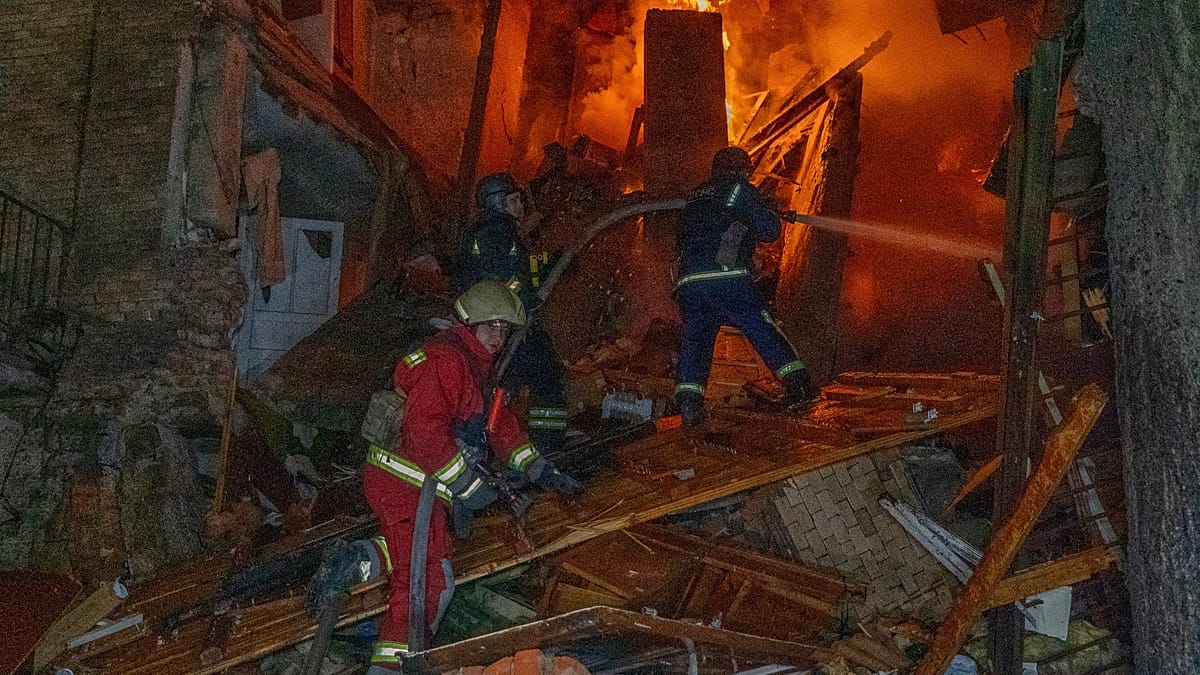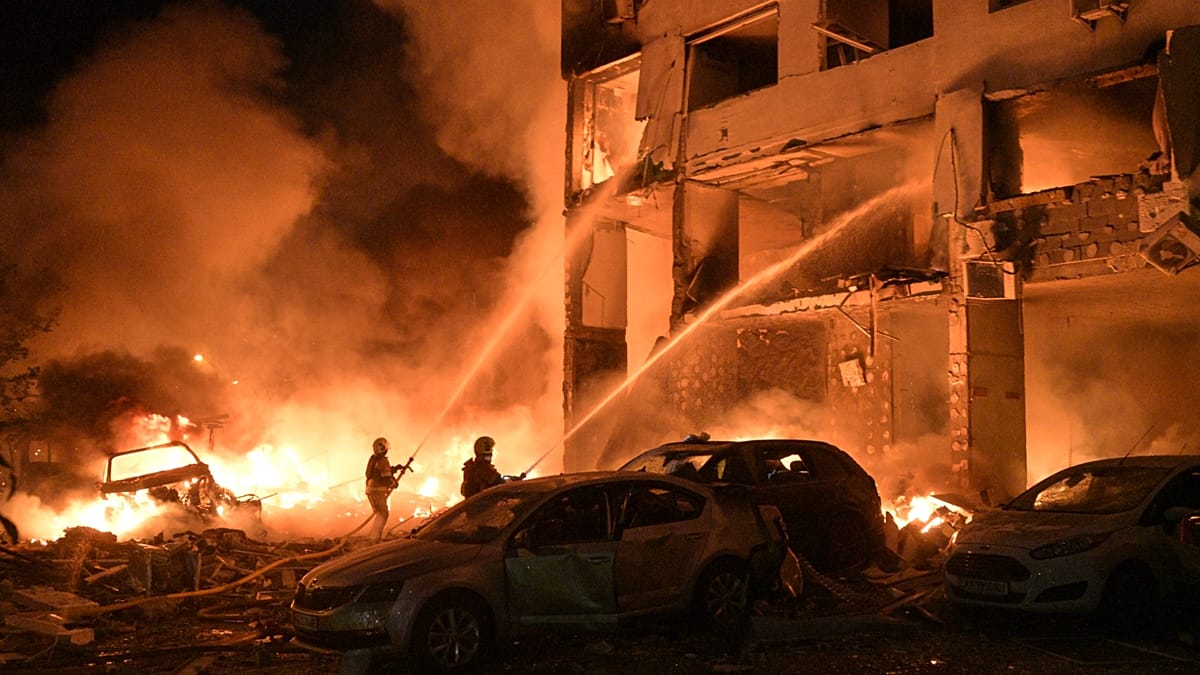
June 2026 was the deadliest month for civilians in Ukraine since the early weeks of Russia's full-scale invasion, according to the United Nations human rights monitoring mission. At least 293 non-combatants were killed and 1,990 wounded, the highest monthly figures recorded since April 2022.
The UN attributed the surge primarily to intensified Russian long-range missile attacks on densely populated urban areas, particularly the capital, Kyiv. Exploiting Ukraine's acute shortage of air-defence systems, Moscow has escalated bombardments far from the front lines, hitting residential districts and critical infrastructure.
Rising Toll Across the Year
The first six months of 2026 saw 1,396 verified civilian deaths in Ukraine, a 37% increase compared to the same period in 2025 and more than double the figure for the first half of 2024. The UN mission noted that the actual number is likely significantly higher, as it cannot verify casualties in areas under Russian occupation, such as Mariupol and Lysychansk, where thousands are believed to have perished during the initial phase of the war.
Since the invasion began in February 2022, the UN has documented 16,431 civilian deaths, including 803 children. The organisation emphasises that this is a conservative estimate, given the challenges of confirming fatalities in active combat zones and occupied territories.
Russian authorities have also reported rising civilian casualties on their soil. According to the UN report, 250 civilians were killed in Russia during the first half of 2026, a 121% year-on-year increase.
Ukraine's Air-Defence Gap
Ukraine has managed to stabilise the front line in recent months, but its ability to protect cities has been severely hampered by depleted air-defence stocks. The diversion of US and allied resources to the conflict in Iran has left Kyiv with insufficient interceptors to counter Russian barrages. President Volodymyr Zelenskyy is pressing Washington and European capitals to fill the gap, but talks on ending Europe's deadliest conflict since World War II remain effectively frozen.
In a related development, the UK has joined the EU's €90 billion loan programme for Ukraine, committing to a fair contribution to bolster the country's resilience. Meanwhile, the EU has opened a sixth accession cluster for Ukraine, signalling continued political support despite the war's toll.
The UN's findings underscore the human cost of Russia's strategy of targeting civilian infrastructure and population centres. With no diplomatic breakthrough in sight, Ukrainian cities remain vulnerable to further escalation, and the death toll is expected to rise as summer continues.