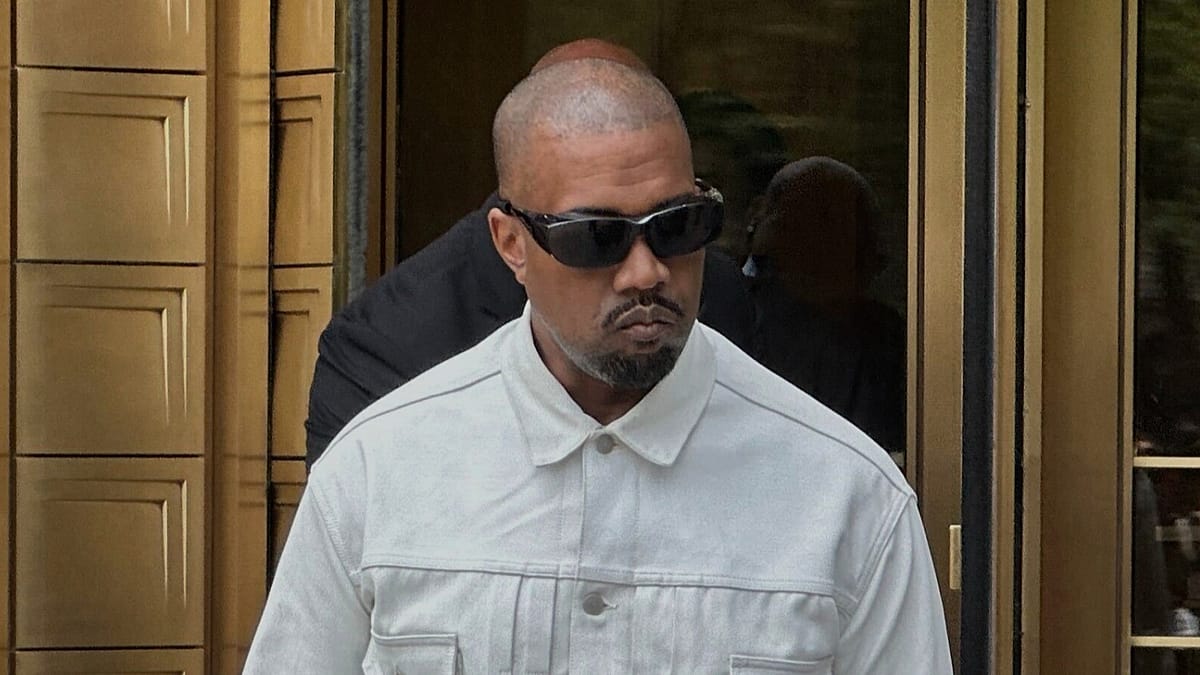
Kanye West's planned return to the stage in Russia has collapsed. The American rapper, who now performs as Ye, was due to play two nights at St Petersburg's Gazprom Arena on 10 and 11 October — a booking that would have made him the most prominent Western artist to perform in Russia since the full-scale invasion of Ukraine in 2022. On Tuesday, the Moscow-based promoter Say Agency confirmed that both dates have been scrapped and that ticket holders will be refunded.
The cancellation follows a statement from the venue itself, which said no rental agreement had ever been signed. Say Agency had initially disputed that account, but offered no further explanation for the decision. Russian media, however, have been less reticent. According to the business daily Kommersant, citing an anonymous source, the concerts were called off after a "call from Moscow" and the organisers are now the subject of a fraud investigation. The St Petersburg outlet Fontanka had earlier reported that the necessary permits had not been secured and that the shows would be halted from above.
A booking that divided the Kremlin's own supporters
The episode exposes the awkward position in which Russia's cultural gatekeepers find themselves more than three years into the war. Most international acts have stayed away, and those who have not — including several European performers — have faced criticism at home and scrutiny abroad. West's team appeared willing to ignore that consensus. Yet the prospect of a Ye concert in St Petersburg split Russian opinion rather than uniting it.
Some politicians had framed the visit as a symbolic win against what they call "anti-Russian hysteria" in the West, despite the rapper's history of antisemitic statements and his praise for Nazi Germany. Others were appalled. Vitaly Milonov, a conservative lawmaker known for his moral crusades, released a video in which he suggested West should perform traditional Russian songs instead of his planned setlist. "Maybe after that he'll stop his disgusting antics and become a normal person," Milonov said.
The controversy around West is not new. In 2022 he posted a series of antisemitic remarks on social media that led to his suspension from X and Instagram, the loss of his talent agency, and the severing of ties with brands including Adidas and Balenciaga. In February 2025 he began selling swastika T-shirts, and in May he released a track titled "Heil Hitler." Australia stripped him of a visa, and Brazilian authorities signalled he would face arrest on arrival. West later apologised, taking out a full-page advertisement in the Wall Street Journal in which he described a "four-month-long manic episode of psychotic, paranoid and impulsive behaviour" and said he had "lost touch with reality."
Europe's cultural blockade holds — for now
For European capitals, the aborted concerts are a reminder that Russia's isolation in the entertainment sector is neither total nor entirely self-enforced. Several EU member states have barred West from entering, and his planned Russian dates would have tested the informal boycott that has kept most Western touring acts out of the country. The fact that the plug was pulled by Russian authorities rather than by the artist himself underlines how sensitive such bookings have become — and how quickly they can become a domestic political liability.
The fraud investigation adds another layer of uncertainty. If Russian prosecutors pursue the case, Say Agency could face serious legal exposure, and other promoters may think twice before courting controversial Western names. For now, the Gazprom Arena will remain dark on those October evenings, and St Petersburg will not host the strangest comeback of the season.
The wider context is a continent still navigating the cultural and economic fallout of the war next door. From the EU's expanded naval mission in the Mediterranean to debates over seizing frozen Russian assets, European governments are steadily tightening the screws on Moscow. The cancellation of a rap concert may seem trivial by comparison, but it is one more signal that the space for business-as-usual with Russia is closing — even for artists who once seemed untouchable.