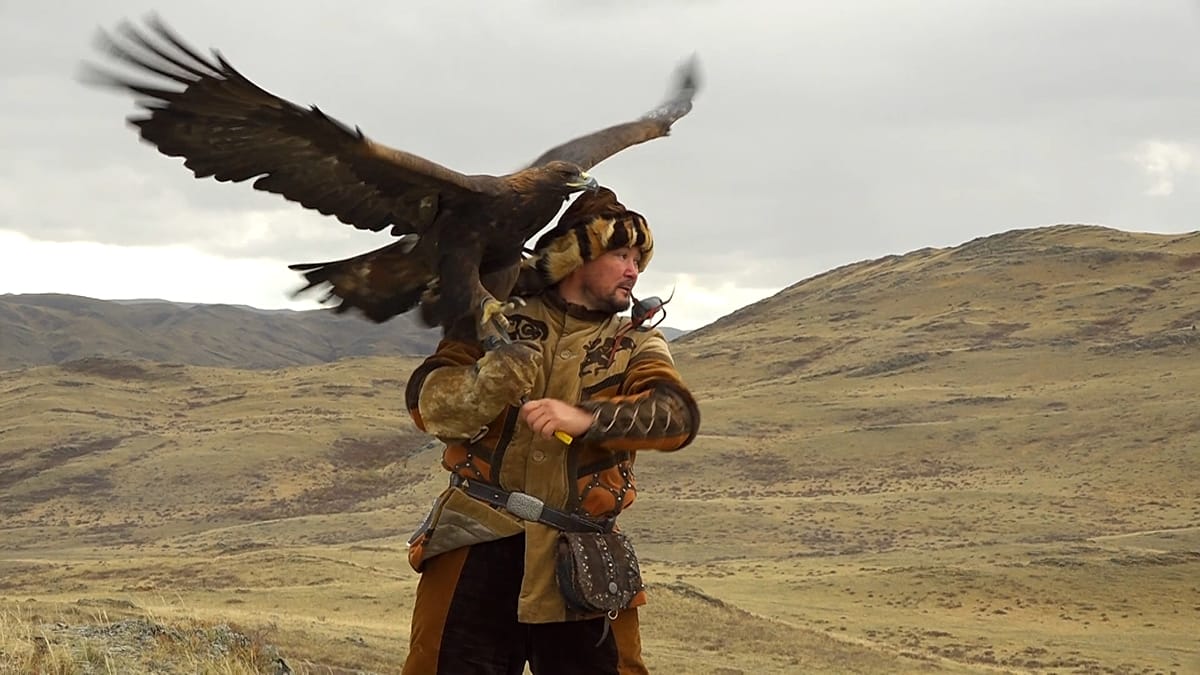
On 9 and 10 October, the village of Bozanbay in eastern Kazakhstan became the stage for the country's first Open Asian Falconry Cup, a two-day event that drew 176 falconers from ten nations. The competition, set against the vast steppe landscape, was more than a contest—it was a celebration of a practice that has shaped the region's identity for centuries.
A gathering of traditions
Falconry, the art of hunting with trained birds of prey, has been a cornerstone of nomadic culture across Central Asia. In Kazakhstan, it is not merely a sport but a living link to the past, passed down through generations. The cup brought together participants from countries including Mongolia, Kyrgyzstan, and Turkey, alongside European enthusiasts from Germany and France, reflecting the practice's wide reach.
Competitors showcased their skills in various disciplines, from the speed and precision of their birds to the harmony between falconer and raptor. Spectators watched as golden eagles and saker falcons swooped and soared, their handlers calling them back with practiced ease. The event also featured traditional Kazakh hunting techniques, such as using dogs to flush out prey, offering a glimpse into a way of life that endures despite modernization.
Cultural significance and modern revival
For many participants, the cup was an opportunity to honor their heritage. "Falconry is not just about hunting; it is about respect for nature and the bond between human and animal," said one Kazakh falconer, who traveled from Almaty to compete. The event also aimed to attract younger generations, many of whom are rediscovering their roots amid rapid urbanization.
Kazakhstan's efforts to preserve this tradition align with broader regional trends. The country has been investing in cultural heritage, as seen in the recent UNESCO recognition of its rock-hewn Sufi mosques. Similarly, the falconry cup underscores a commitment to keeping ancient practices alive while sharing them with the world.
The choice of Bozanbay as the venue was deliberate. Located near the Altai Mountains, the area is known for its rich wildlife and open skies, ideal for falconry. The village, with its small population and traditional architecture, provided an authentic backdrop, far from the glass towers of Astana or Almaty.
Organizers hope the event will become an annual fixture, drawing even more international participation. "We want to show that Kazakhstan is not only a modern nation but also a guardian of its nomadic legacy," said a spokesperson for the organizing committee. The cup also served as a platform for cultural exchange, with participants sharing techniques and stories across language barriers.
While the event was primarily cultural, it also carried economic undertones. Tourism, a growing sector in Kazakhstan, could benefit from such unique attractions. The country has been keen to diversify its economy beyond oil and gas, and cultural festivals like this one offer a glimpse of that potential. As Kazakhstan bets on technology to reshape its economy, it is equally mindful of leveraging its heritage to build a distinct national brand.
The Open Asian Falconry Cup comes at a time when the region is facing environmental challenges, including the retreat of the Caspian Sea, which has exposed new islands along Kazakhstan's coast. Yet, the event highlighted the resilience of traditional practices in adapting to changing landscapes.
For the falconers, the cup was a chance to compete, but also to connect. "We speak different languages, but we understand each other through our birds," noted a participant from Mongolia. That sentiment echoed across the steppe, where ancient traditions continue to fly high.