Kazakhstan has signaled its willingness to host Iran's stockpile of near-weapons-grade uranium, a move that could unlock stalled negotiations between Washington and Tehran over a renewed nuclear agreement. The proposal, backed by International Atomic Energy Agency (IAEA) Director General Rafael Grossi, positions Astana as a neutral custodian for material that has become a central point of contention.
Yerlan Zhetybayev, spokesperson for Kazakhstan's Ministry of Foreign Affairs, confirmed the offer during a briefing on Monday. “We are signalling our willingness to provide technical assistance in good faith, subject to the achievement of the necessary international agreements among all parties,” he said. The announcement follows a meeting between President Kassym-Jomart Tokayev and Grossi in Astana last week, where the idea was discussed.
A Model of Nuclear Disarmament
Kazakhstan's offer draws on its own history of nuclear renunciation. After the collapse of the Soviet Union in 1991, the country inherited one of the world's largest nuclear arsenals—approximately 1,400 warheads. By 1995, it had voluntarily dismantled them, closed the Semipalatinsk test site, and committed to a non-nuclear status. This track record lends credibility to its role as a potential host for Iran's enriched material.
The country already operates the IAEA Low Enriched Uranium Bank, established in 2018 at the Ulba Metallurgical Plant in Oskemen, in the northeast. The bank became operational in October 2019 and was designed to provide fuel assurances for civilian nuclear programmes while reducing proliferation risks. This infrastructure could be adapted to store Iran's stockpile, though details remain subject to negotiation.
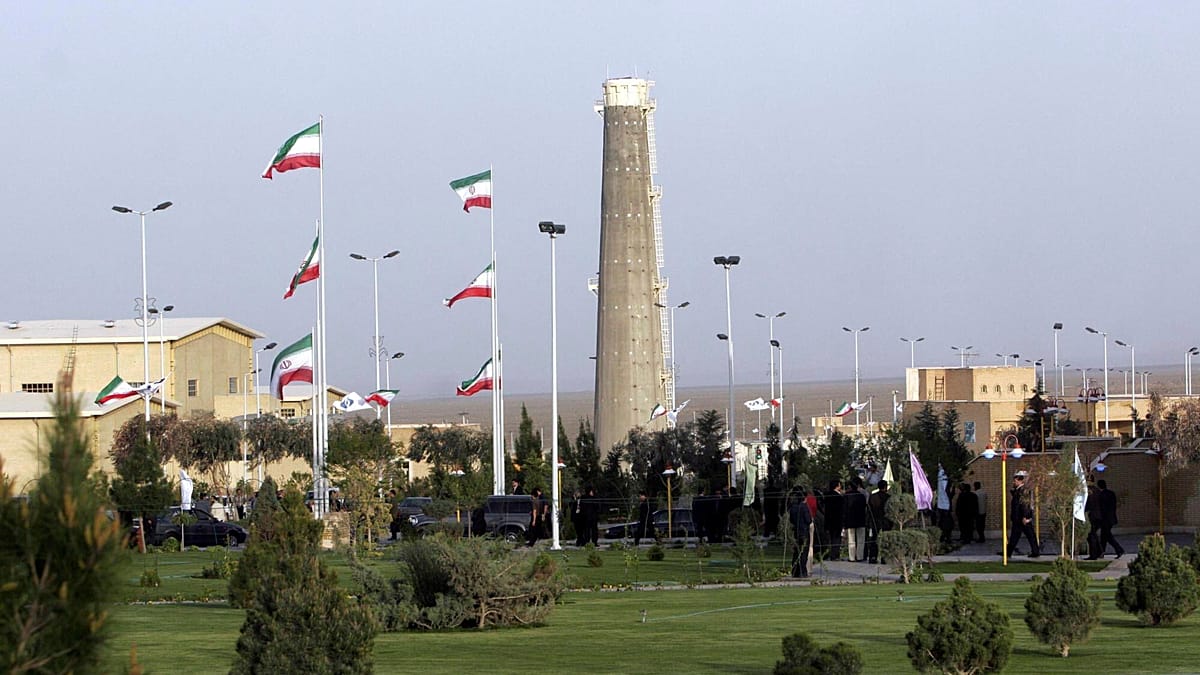
Iran is estimated to hold around 440 kilograms of uranium enriched to 60%—below the 90% threshold for weapons-grade material but sufficient, if further enriched, to produce 10 to 12 nuclear devices. The material is believed to be located at the Natanz, Fordow, and Isfahan facilities, which have suffered significant damage in recent strikes. The IAEA has been unable to verify the condition of these sites, and satellite imagery has shown only limited surface damage at Natanz.
Stalled Talks and Geopolitical Tensions
The proposal comes as US-Iran negotiations face renewed difficulties. Tehran has paused mediated communication with Washington, and the two sides remain at odds over key issues, including the uranium stockpile and the reopening of the Strait of Hormuz, a critical chokepoint for global oil trade. The latest US proposals reportedly include a 60-day ceasefire framework and a broader return to talks aimed at preventing Iran from acquiring a nuclear weapon.
US President Donald Trump, who withdrew from the 2015 Joint Comprehensive Plan of Action (JCPOA) during his first term, has explicitly ruled out Russia or China as custodians under any new arrangement. On his Truth Social platform, Trump stated that Iran's highly enriched uranium should be handed over to Washington, destroyed on site, or transferred to “another acceptable location with the Atomic Energy Commission.”
Grossi has described the relocation idea as potentially acceptable to both sides, depending on the outcome of negotiations. “We have a place where this could be stored safely,” he said, referring to Kazakhstan's existing IAEA-linked facilities.
The proposal echoes a precedent from the JCPOA era, when Iran shipped approximately 11 tonnes of low-enriched uranium to Russia in exchange for natural uranium. However, the current geopolitical landscape is more fraught, with tensions heightened by regional conflicts and the breakdown of diplomatic channels.
Kazakhstan's offer also reflects its broader role as a neutral actor in Central Asia, a region increasingly courted by both Western powers and Russia. The country has pursued a multi-vector foreign policy, balancing ties with Moscow, Beijing, and Brussels. Its willingness to host Iran's uranium could strengthen its standing as a reliable partner in non-proliferation efforts.
For now, the success of the proposal hinges on the willingness of all parties to reach a comprehensive agreement. As negotiations continue, Kazakhstan's offer provides a potential pathway to break the deadlock, but the road ahead remains uncertain.