In a decision adopted at its 48th session in Busan, South Korea, on 25 July, UNESCO added a cluster of rock-hewn mosques and associated sacred sites in Kazakhstan's Mangystau region to its World Heritage List. The move follows a directive from President Kassym-Jomart Tokayev in 2024 to pursue the inscription.
The newly recognised property comprises five complexes named after Sufi masters: Beket-Ata, Shopan-Ata, Karaman-Ata, Shakpak-Ata and Sultan-Epe. In Central Asian Sufism, the honorific 'Ata'—meaning 'father' or 'ancestor'—denotes a revered spiritual figure. Their spiritual lineage traces back to the 12th-century mystic Khoja Ahmed Yasawi, whose teachings helped spread Islam among Turkic-speaking peoples, weaving it together with older Tengri beliefs and shamanistic practices.
A landscape shaped by faith and geology
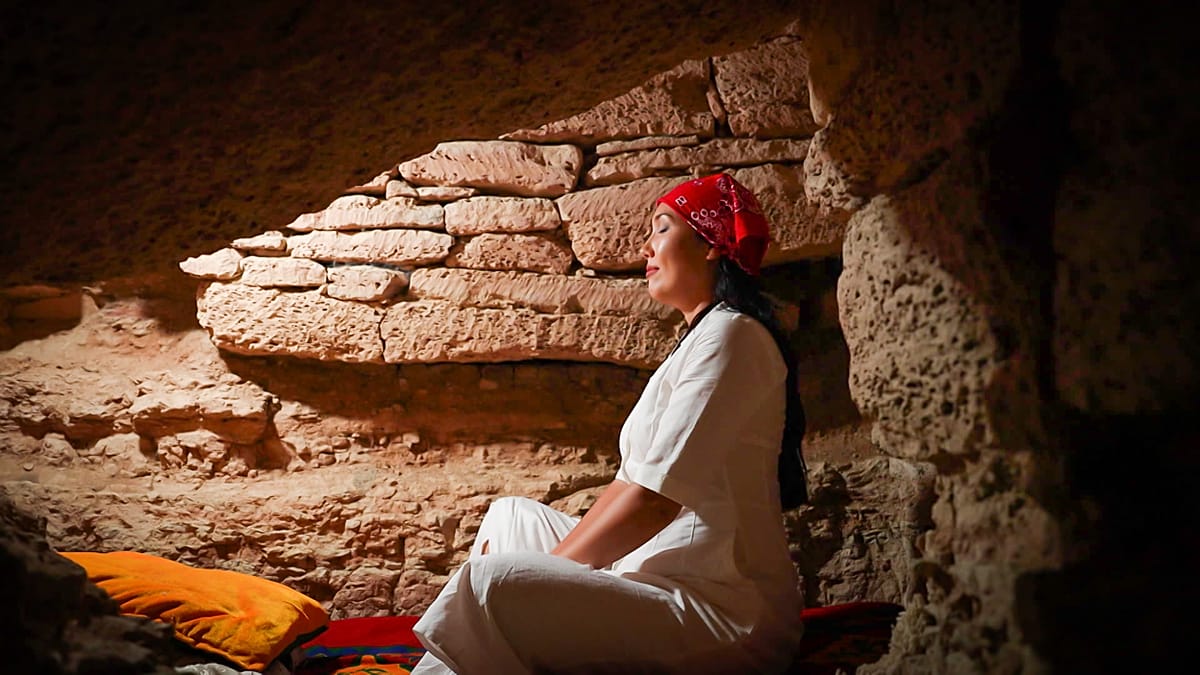
Mangystau, a semi-desert region in western Kazakhstan that was once submerged under the ancient Tethys Ocean, is dotted with these sanctuaries. Locally known as 'underground mosques', they were built in natural caves, carved into steep rock faces, or dug into the ground, offering shelter and solitude in the harsh terrain. The complexes include prayer halls, mihrabs, meditation cells, and tombs of the masters, often alongside those of their families. Some underground chambers were reserved for silent retreat and ascetic isolation.
According to UNESCO, the sites reflect a distinctive spiritual culture in which Islamic Sufism 'organically continued and transformed more ancient practices related to ancestor worship, the sacredness of the landscape and the role of spiritual leaders'. The architecture adapted to the region's geological features over centuries, creating a unique fusion of natural and built heritage.
Speaking at the Busan session, Erlan Karin, chairman of Kazakhstan's National Commission to UNESCO and ICESCO, called the inscription 'a tribute to the rich history, spiritual heritage and cultural identity of the Kazakh people'. For local resident Almagul Zhaiman, the sites embody a faith passed down through generations: 'These sacred sites have been preserved because of the faith passed down through generations, the knowledge of that heritage, preserving it and passing it on to our future generations.'
The masters behind the mosques
Karaman-Ata, a Sufi missionary, is believed to have brought Islam to the region in the 12th or 13th century. His mosque and its associated necropolis—one of the largest and oldest in Mangystau—served as a sacred place for Kazakhs and Turkmens, where disputes were settled and vows were made under the threat of dire consequences for those who broke them.
Shopan-Ata, a 12th-century mystic and disciple of Yasawi, is revered as the spiritual protector of shepherds and their flocks. His site, once part of an ancient caravan route to Khorezm, remains a key destination for Sufi pilgrims. Beket-Ata, an 18th-century scholar, healer, and architect, is said to have regarded Shopan-Ata as a spiritual mentor. Local traditions attribute extraordinary abilities to him, including teleportation and levitation. 'He was also regarded as the last and highest-ranking spiritual master among other holy men, which is why he became known as Pir Beket,' said Bakhtiyar Esimbetov, caretaker of Beket-Ata's mosque.
The Shakpak-Ata complex, carved into a chalk and limestone cliff, served as a major Sufi centre for centuries. Its central domed hall, laid out in a cross shape, is believed to have been a place where the master taught astrology and astronomy, linking faith with the cosmos.
Pilgrims and visitors
For centuries, these mosques have drawn pilgrims from across Central Asia and beyond. Visitors are expected to dress modestly, and women must cover their heads before entering the underground sanctuaries. Among the international pilgrims is Dinara Farvazova, whose family travels from Bashkortostan in Russia to visit the sites.
The UNESCO listing is expected to boost interest in Mangystau's spiritual heritage, which also includes trekking routes in southern Kazakhstan and other cultural landmarks. As Kazakhstan continues to develop its tourism sector, the recognition of these ancient mosques offers a window into a unique fusion of faith, nature, and history—one that resonates far beyond the country's borders.