Southern Kazakhstan's Turkistan region, already known for the mausoleum of Khoja Ahmed Yasawi in the city of Turkistan, offers far more than its famous Sufi monument. A journey through the area takes travellers from the alpine meadows of the Western Tian Shan to the dusty remains of a Silk Road metropolis, blending natural beauty with centuries of history and spirituality.
Into the mountains: Sairam-Ugam National Park
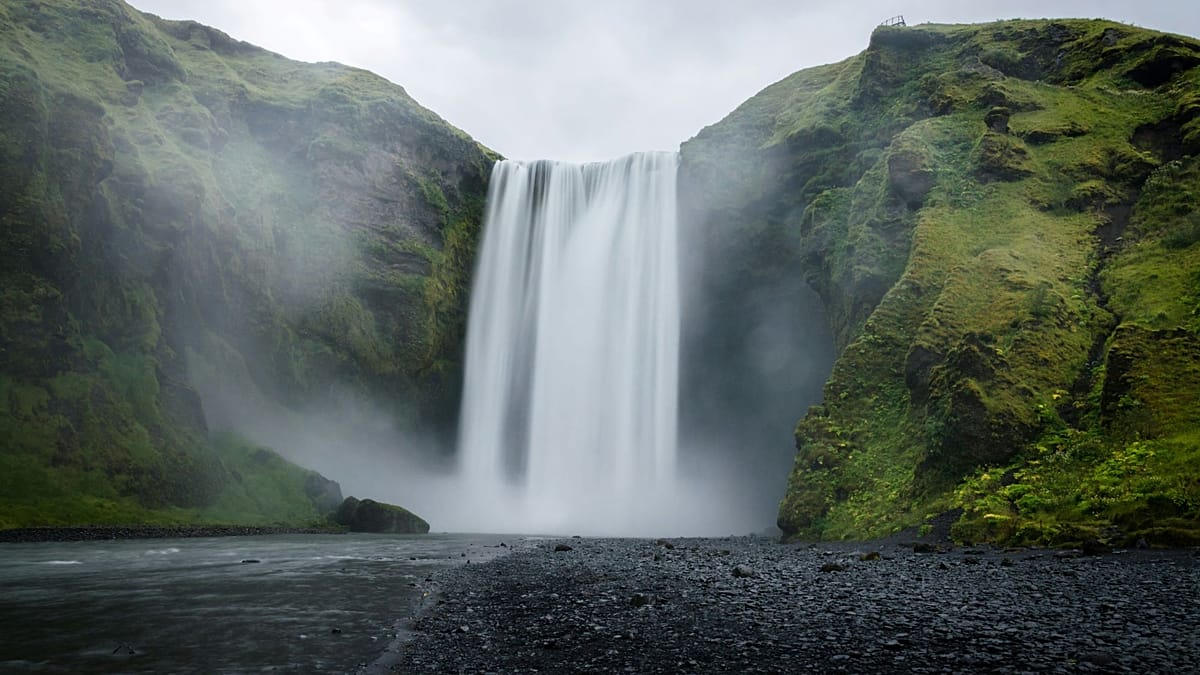
As the road climbs from the lowlands, the heat of the south gives way to cool mountain air. Sairam-Ugam National Park, lying at the foot of the Western Tian Shan, is a landscape of forested slopes, clear streams and high-altitude lakes. Rangers say some of the park's water is clean enough to drink straight from the source, a rarity in Central Asia's arid south.
The park draws hikers, climbers and campers from Kazakhstan and abroad. For German traveller Fenja Schreiber and American tourist Kaleb Shumway, camping by one of the park's lakes was a highlight of their trip through the country. "We didn't make it up to the second lake, but we camped by the first lake for two nights. It was amazing," says Shumway. Schreiber adds: "We saw a group of about 30 goats in the morning."
Wildlife is a major draw. The park shelters snow leopards, Tian Shan brown bears and Siberian ibex, as well as marals, a type of red deer, which often graze near the lakes. Park ranger Daniyar Otegenov notes that visitors sometimes get surprisingly close to these animals. "Many people come here hoping to see them, and it's not unusual for wildlife to come quite close," he says.
Visitor numbers are climbing: more than 71,000 people have visited so far this year, with the peak season still ahead. Infrastructure is expanding to match, with accommodation ranging from capsule cabins to hotels, and a new visitor centre scheduled to open in 2027. The park's biodiversity means visitors are asked to keep noise down to avoid disturbing the animals.
Walking through Otrar, a Silk Road metropolis
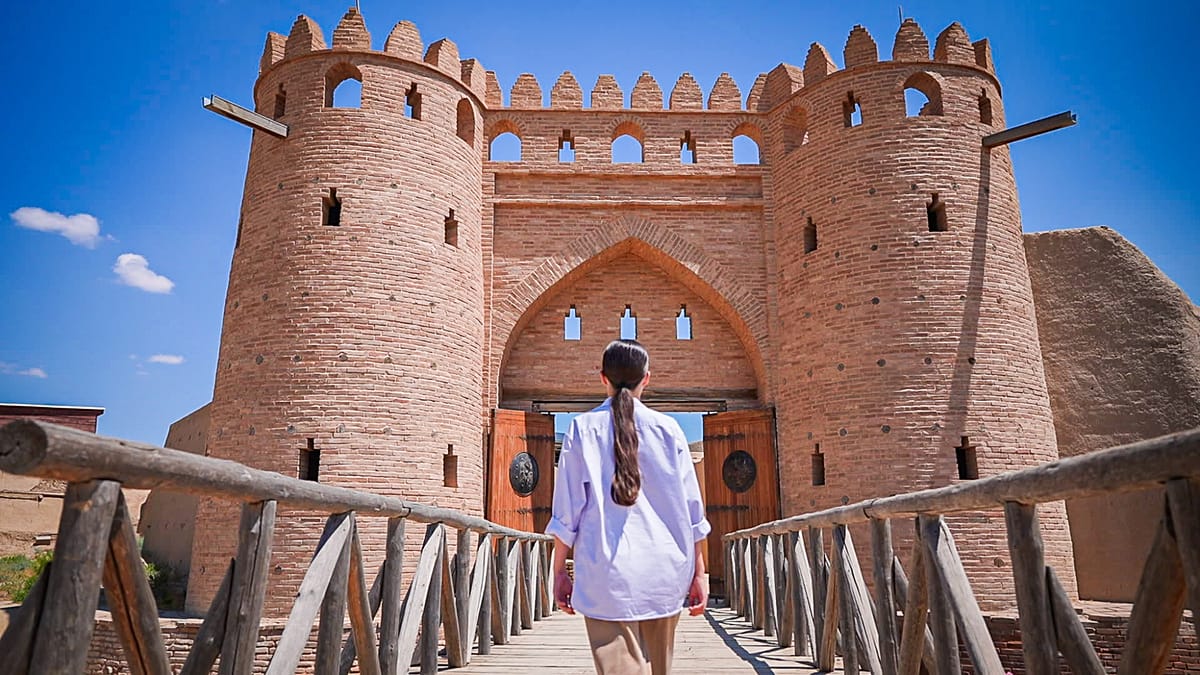
Leaving the mountains, the journey continues to Otrar, once a thriving hub on the Silk Road. Today, the 200-hectare archaeological site is mostly wind and sand, but the outlines of ancient streets and buildings remain visible. The citadel, the fortified heart of the city, housed its wealthiest residents. Reconstructed houses show that some comforts we associate with modern life were already in use centuries ago.
"During the winter, the underfloor heating served several purposes," explains tour guide Ismail Omaraliyev. "People baked bread and cooked food here, and in the evenings, they would rest and sleep on the warm floors." Beyond the homes stood a public bathhouse, a mosque, a central square and the palace of Berdibek Khan. At its peak, Otrar welcomed hundreds of merchants and travellers daily. "At least two caravans arrived every day, each with around a hundred camels. On average, between 400 and 500 people spent the night in the city every day," says Omaraliyev.
Much of Otrar's story remains underground. A research project led by Mukhtar Kozha, a professor at Akhmet Yassawi University, is uncovering new chapters. The team recently found the oldest mosque in Otrar, dating to the late 13th and early 14th centuries. After falling out of use, the site became a burial ground and later a pottery workshop. Kozha highlights the significance of massive stone blocks found in the city centre: "The city is far from the mountains, so transporting them here must have required enormous resources and careful planning. It reflects the high level of urban culture and engineering that existed here."
Otrar flourished for over two millennia before being destroyed during the Mongol invasion in the 13th century. It was rebuilt and inhabited until the 19th century. Visitors can explore the nearby Otrar Museum, which preserves many of the artefacts unearthed during excavations.
A place of pilgrimage
Just 15 minutes from Otrar stands the Mausoleum of Arystan Bab, one of Kazakhstan's most important pilgrimage sites. Believed to have been the teacher and spiritual mentor of Khoja Ahmed Yasawi, Arystan Bab remains a symbol of the region's deep spiritual heritage. The current structure is the fourth version of the original, but two original 14th-century columns have survived centuries of wars, earthquakes and rebuilding, offering a rare connection to the monument's earliest history.
As interest in cultural tourism grows, the Turkistan region is attracting more visitors eager to discover its combination of mountain landscapes, Silk Road history and sacred traditions. For those planning a trip, Europe's most-visited castles and palaces offer a different kind of historical journey, while Kazakhstan's ambitions as a trade hub echo the region's ancient role as a crossroads. The country's broader push to diversify its economy is also reshaping tourism infrastructure, making places like Sairam-Ugam and Otrar more accessible than ever.