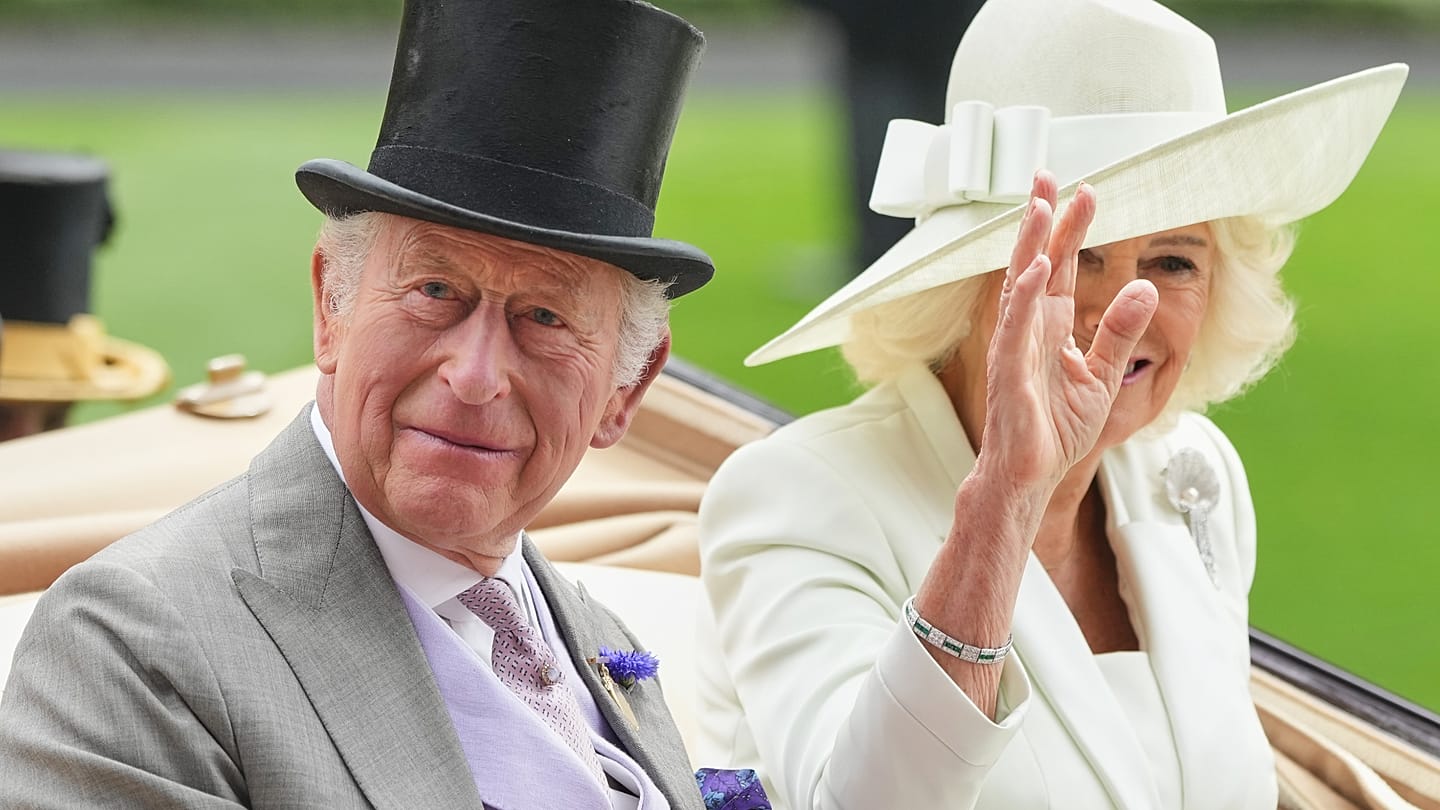
In an unprecedented move, King Charles III has become the first reigning British monarch to make his personal tax bill public. The disclosure, published by Buckingham Palace, confirms that the sovereign ranks among the United Kingdom's largest taxpayers, offering a rare glimpse into a financial realm that has remained hidden for centuries. Yet for all its transparency, the announcement leaves many questions unanswered about the broader royal fortune.
What the Numbers Reveal
The King's voluntary tax payment covers income from the Duchy of Lancaster, a private estate that funds the monarch's official duties and personal expenses. According to palace officials, Charles paid £5.9 million in income tax for the 2022-23 financial year, a figure that places him well within the top tier of British taxpayers. The Duchy of Lancaster, which includes landholdings, property, and financial investments across England and Wales, generated net income of £24 million during the same period.
This level of transparency marks a sharp departure from the secrecy that has traditionally surrounded royal finances. Previous monarchs, including Queen Elizabeth II, never published their personal tax returns, though she did voluntarily pay tax on her private income from 1993 onward. Charles's decision to go further by releasing the actual figures is widely seen as an effort to modernise the monarchy and build public trust.
What Remains Hidden
Despite the disclosure, significant portions of the royal financial picture stay out of public view. The Sovereign Grant, which funds the official expenses of the monarchy—including staff salaries, property maintenance, and travel—is paid from public funds and is already audited and published annually. However, the King's personal wealth, including the Crown Estate (which is technically owned by the monarch but managed separately and whose revenues go to the Treasury), the Royal Collection of art and jewels, and the Duchy of Cornwall (now held by Prince William), remains entirely opaque.
Critics argue that the disclosure, while welcome, is a carefully curated exercise. The palace has not released details of the King's investment portfolio, property holdings, or the value of assets like Sandringham House and Balmoral Castle, which are privately owned. The true extent of the monarch's personal fortune is still a matter of speculation, with estimates ranging from hundreds of millions to over a billion pounds.
Broader European Context
The move comes as European monarchies face growing scrutiny over their finances and relevance. In Spain, King Felipe VI has also taken steps toward transparency, publishing his personal assets and tax returns since 2014, following a corruption scandal involving his father, former King Juan Carlos I. In the Netherlands, the royal family's finances are subject to parliamentary oversight, though the King's personal wealth is not fully disclosed. Sweden's monarchy publishes annual reports on the royal court's expenses, but private assets remain private.
Across the continent, the debate over royal transparency is intertwined with broader questions about public funding and accountability. The British monarchy's tax disclosure is a step forward, but it does not resolve the fundamental tension between tradition and modern expectations of openness.
For British travellers navigating post-Brexit Europe, the monarchy's financial habits may seem a distant concern, but the issue resonates with wider discussions about trust in institutions. As a decade after Brexit, British travellers still grapple with confusing EU rules, the monarchy's efforts to appear transparent could help maintain its soft-power appeal abroad.
Meanwhile, the disclosure has sparked comparisons with other wealthy individuals and entities. The OpenLux probe revealed new Luxembourg firms tied to Spanish billionaires, highlighting how the wealthy across Europe use complex structures to manage their finances. The King's tax payment, while substantial, is a fraction of what some of Europe's richest families earn, and the lack of detail on his offshore holdings—if any—leaves room for continued scepticism.
Ultimately, King Charles' tax disclosure is a historic gesture, but it is also a limited one. It reveals enough to satisfy some curiosity while carefully shielding the full picture. For a monarchy seeking to secure its place in a modern, democratic Europe, that may be a calculated risk—but it is unlikely to silence calls for deeper reform.