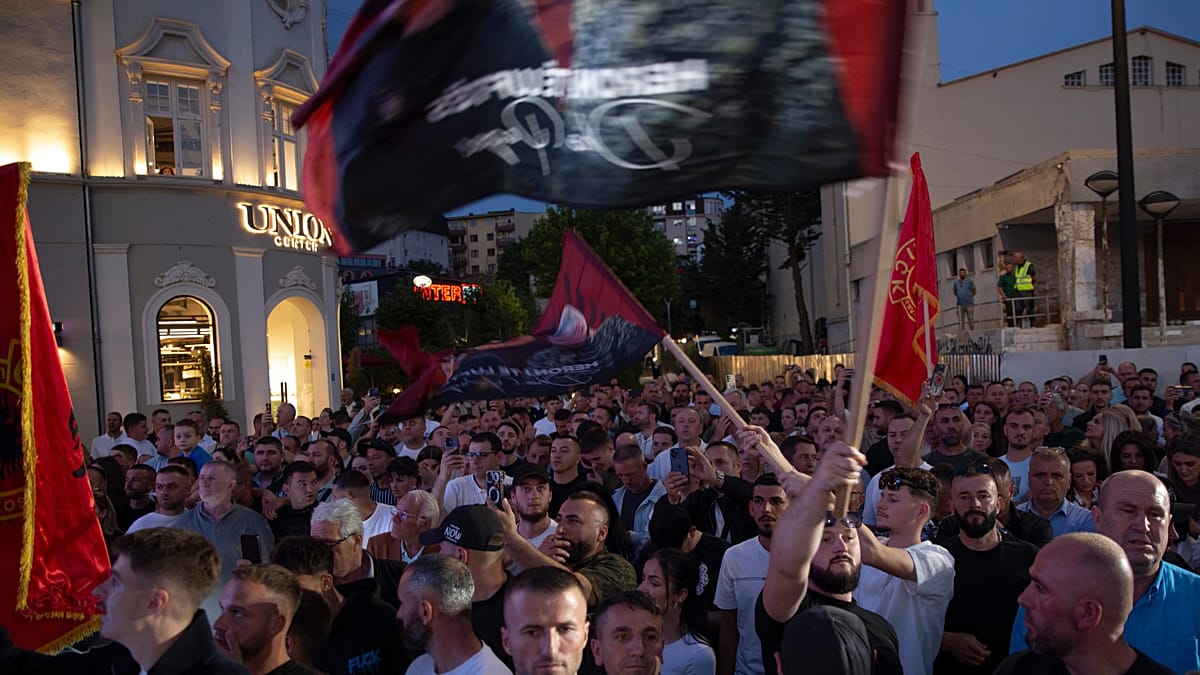
Polls opened across Kosovo on Sunday as the Western Balkan nation held yet another snap election — its third parliamentary vote in just over a year. The repeated trips to the ballot box reflect a deepening political crisis that has left the country without a functioning government for months.
The vote follows a period of institutional paralysis that began after inconclusive elections in February 2025. Prime Minister Albin Kurti’s Vetëvendosje party emerged as the largest force in that contest but fell short of a governing majority. A second election in December 2025 gave Kurti a slightly stronger mandate — 51.1 percent of the vote, up from 42 percent — and allowed him to form a government with the backing of minority representatives. Yet tensions persisted, and an opposition boycott of a parliamentary vote to appoint a new president in April forced the dissolution of parliament, paving the way for Sunday’s election.
Voter Fatigue and Political Gridlock
Many Kosovars have expressed deep frustration with the repeated electoral cycles. “I don’t think I will vote,” Miranda Fazliu, a computer programmer, told reporters in the capital, Pristina, ahead of the vote. “It’s frustrating to see that the election will likely yield the same result.”
Former President Vjosa Osmani, who is now running for parliament for her former party, the Democratic League of Kosovo (LDK), struck a more hopeful tone. “I am very much hopeful that the people of Kosovo will help us achieve that result by creating a democratic balance among political parties here in Kosovo that will make all political parties sit down with one another and make sure that we achieve an agreement on creating the institutions as soon as possible,” she told Euronews. Of the ongoing stalemate, she said: “It is an unnecessary crisis, a completely unnecessary deadlock, because it is harming the country.”
Political analysts warn that the latest vote may not break the cycle. “The crisis will continue,” said political researcher Ardi Uka, who described Kosovo as stuck in a pattern of repeated elections with little sign of compromise between rival parties.
The deadlock has broader implications for the region. Kosovo, which declared independence from Serbia in 2008 and is recognised by most EU member states but not by five of them, remains a fragile democracy. The European Union has repeatedly urged political leaders in Pristina to form stable institutions and advance reforms needed for visa liberalisation and closer integration with the bloc. The current paralysis risks stalling those efforts.
In a related development, Kosovo's former president has called for compromise to end the political stalemate before the snap election, underscoring the urgency of the situation.
Sunday’s election is being closely watched in Brussels and other European capitals. The outcome could determine whether Kosovo can break free from its cycle of instability or slide further into political dysfunction. For now, many voters appear resigned to more of the same.