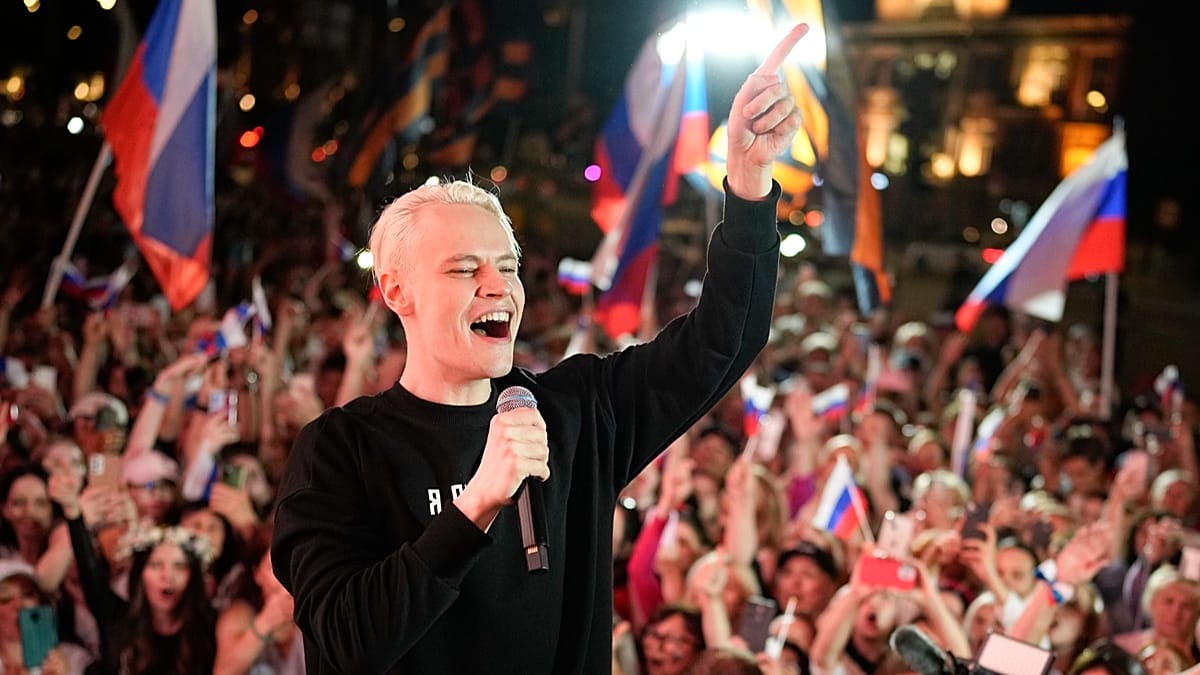
As European governments grapple with regulating artificial intelligence in creative industries, a Kremlin-connected performer has weaponised the technology for political propaganda. Yaroslav Dronov, 34, who performs under the stage name Shaman, has released a music video for his song 'Mother Russia' ('Rossiya – Mama') that uses AI-generated deepfakes of Russian public figures who fled the country after the invasion of Ukraine.
Shaman, a former contestant on Russian versions of The X Factor and The Voice, has built a career on overt support for the Kremlin. He regularly performs at state-organised events and took part in Intervision 2025, the Putin-ordered alternative to Eurovision that champions “respect for traditional universal, spiritual and family values”. In 2025, he also performed in Pyongyang, North Korea. The European Union, Canada and Australia have placed him on sanctions lists, leading to the termination of his official Western distribution channels, including Spotify and YouTube, in 2024.
AI as a Propaganda Tool
The video features photographic portraits of individuals designated as “foreign agents” by Russian authorities, including comedian Maxim Galkin, rappers Noize MC and Morgenshtern, journalist Yury Dud, businessmen Oleg Tinkov and Mikhail Khodorkovsky, and political scientist Ekaterina Schulmann. At one point, Shaman pins their photographs to a board, and AI-generated deepfakes of them begin singing together as a choir. A disclaimer notes that AI-generated content was used.
In a post on VK, Russia's largest social network, Shaman wrote: “While they perform for money against Russia, in my music video they sing for Russia free of charge.” The statement underscores the Kremlin's broader effort to vilify those who have left the country since the war began.
Reactions from those featured have been mixed. Some expressed displeasure at the unauthorised use of their images, while others saw it as unintended publicity. Blogger Ilya Varlamov went further, arguing that Shaman was “one of theirs” and that the singer openly supports LGBTQIA+ rights, effectively allowing the “foreign agents” to reappear on Russian state television. Notably absent from the video was singer Monetochka (Yelizaveta Gyrdymova), who now lives in Lithuania and has been designated a “foreign agent”. She later expressed disappointment at being excluded.
The controversy has sparked online debate about the legality of AI deepfakes. Legal experts note that under Russian law, individuals could potentially sue for unauthorised use of their likeness. However, many commentators are sceptical about the chances of success given Shaman's close ties to the government. Shaman himself has defended the video, stating he “does not have the right to conceal this betrayal” and that he will “be lit up with the truth like a Kremlin star”.
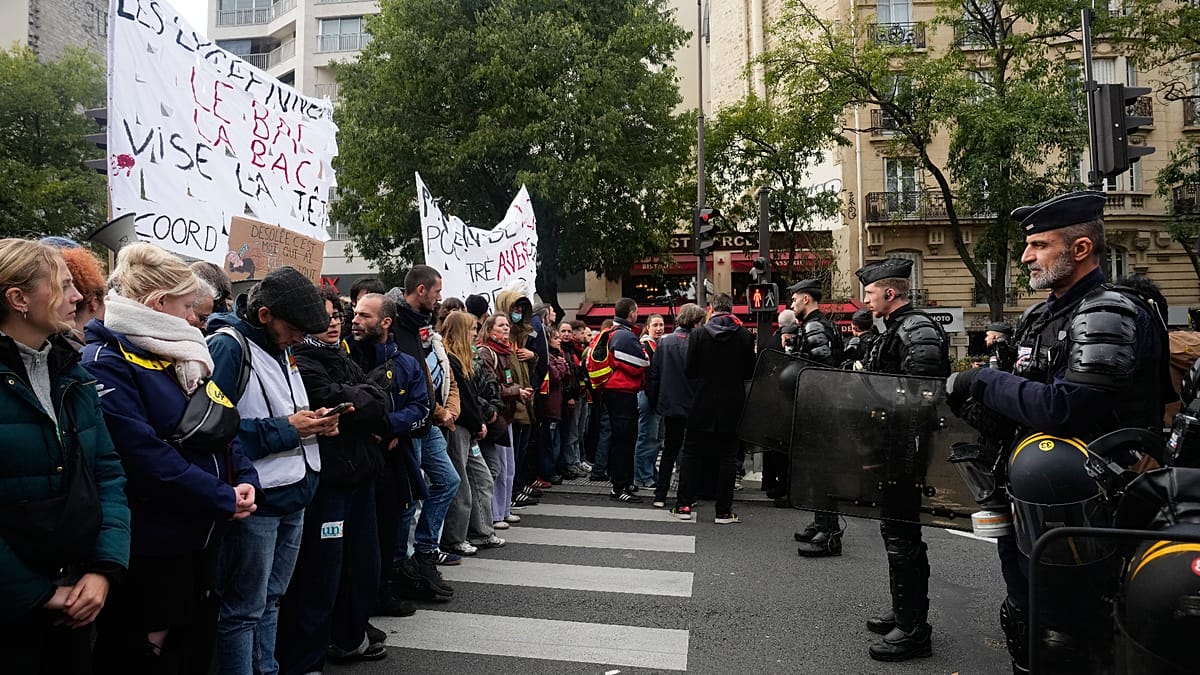
This incident highlights broader European concerns about AI's role in disinformation and propaganda. The European Union has been working on the AI Act, which aims to regulate high-risk applications, including deepfakes. Meanwhile, platforms like Spotify face pressure over AI-generated content, as seen in debates around Spotify's AI Remix Feature. The case also echoes other controversies involving Kremlin-linked media, such as Paris protests targeting CNews over alleged ties to RT France's former chief.
As Europe navigates the intersection of technology, law, and politics, Shaman's video serves as a stark reminder of how AI can be co-opted for state-sponsored messaging. Whether legal challenges will follow remains uncertain, but the debate over consent and propaganda is far from over.