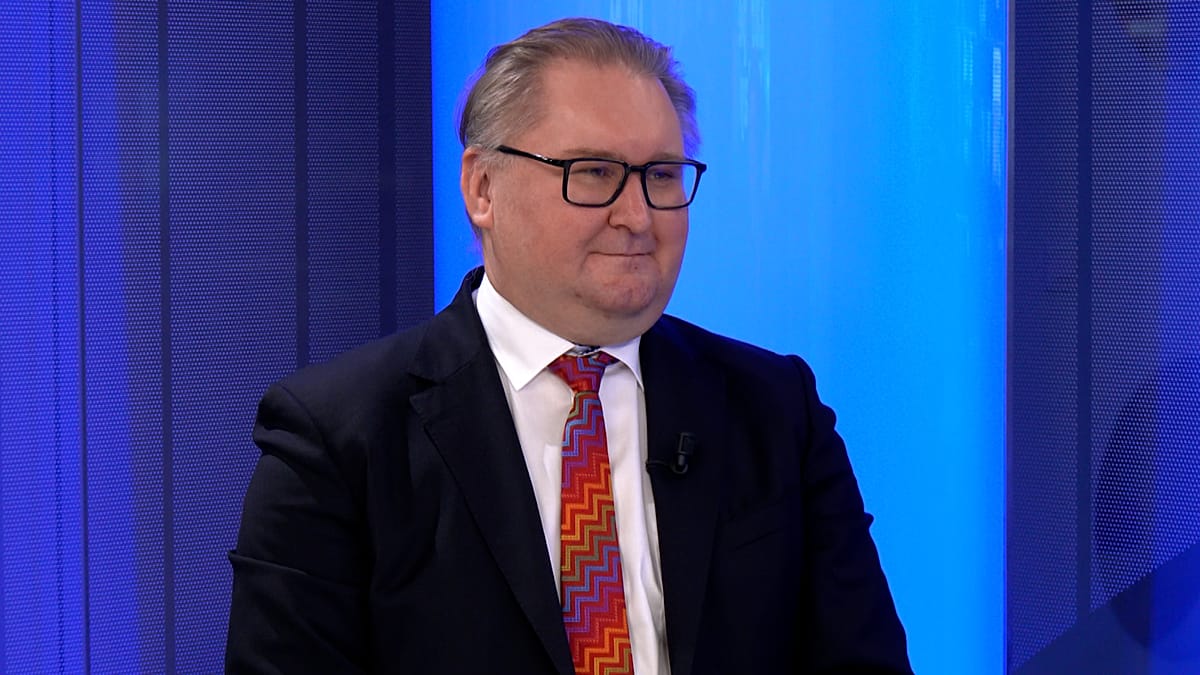
Ukraine's new ambassador to the European Union, Taras Kachka, has pushed back against the narrative that Hungary is obstructing Kyiv's accession talks. In his first interview since taking up the post, Kachka told Euronews that Budapest has raised no fresh substantive objections to opening the remaining two negotiating clusters, despite recent hold-ups in EU Council working groups.
Speaking a day before the European Commission publishes its latest enlargement assessment, Kachka said the word "block" is misleading. He explained that Hungary simply requested additional time to examine the documentation underpinning the next stage of negotiations. Reports had indicated that Budapest withheld approval of the screening results for the final two clusters at meetings on 20 and 27 October, even though it had dropped objections to two other clusters earlier that month.
"I think that this word block misleads us," Kachka said, adding that the Hungarian government wants more time to study the details. He dismissed suggestions that the delay is linked to minority education rights, a long-standing point of friction between the two countries. "There are no substantive requirements, disagreements or concerns," he insisted, describing the remaining issue as a matter of reviewing several hundred pages of documents.
Ukraine amended its minority education legislation in October, which paved the way for opening two additional clusters and bringing the total to four out of six. Kachka confirmed that the revised rules are already being implemented in Ukrainian schools, saying that issue was "long sorted."
Ukraine sticks to 2027–28 accession timetable
Kachka reaffirmed Kyiv's ambition to complete EU accession negotiations by 2027 or 2028, possibly even sooner if domestic reforms move faster than expected. "I still stick to this 2027-2028 years as years of completion of negotiations and maybe even faster depending on how the situation will develop in Ukraine," he told Euronews.
He acknowledged that Ukraine's sense of urgency differs from that of many EU member states, given Russia's ongoing war. Daily attacks and frontline fighting add pressure to accelerate the process. Kachka also addressed criticism over delays in adopting EU-related legislation in Ukraine's parliament, rejecting suggestions of a deliberate slowdown. He pointed to the difficulties of legislating during wartime, including parliamentary sessions interrupted by air raid alerts and Russian strikes on Kyiv.
Nevertheless, he said cooperation between the government and parliament has strengthened in recent weeks, and he expects the pace of reforms to pick up. "I see no challenges on substance," he said, expressing hope that the Commission's enlargement assessment will confirm Ukraine's ability to adopt the necessary legislation by the end of 2027.
Kyiv rejects associate membership alternative
Kachka also reiterated Ukraine's rejection of associate EU membership as a substitute for full accession, even as similar arrangements have been floated for countries like Canada. He argued that Ukraine, alongside Moldova, Montenegro and Albania, remains among the frontrunners for full membership. "The EU sees us as a frontrunner, so that's why we don't need to shift to any alternatives," he said.
He suggested that associate membership is better suited to countries seeking closer partnerships without intending to join the bloc. However, he acknowledged that proposals for closer cooperation before accession—particularly in defence, security and financial support—could be useful, as long as they do not replace the goal of full membership. This comes as the EU accelerates a €45bn support package for Ukraine amid funding gaps.
Agriculture, one of the most sensitive areas of the accession talks, would be among the most complex issues to resolve, Kachka admitted. But he rejected the need for lengthy transitional arrangements or broad restrictions on Ukrainian agricultural products entering the EU market. "I believe that there are no necessity for any lengthy transitional period," he said. While recognising that sensitive products such as wheat might require specific arrangements, he argued that most agricultural goods should not face additional limitations.
The ambassador's remarks come as the EU prepares to release its enlargement report, which will assess progress across candidate countries. The report is expected to influence the pace of negotiations, with Ukraine hoping to open the remaining clusters before the end of the year. As Montenegro, Albania and Ukraine press for EU entry, the dynamics within the bloc remain crucial.
Kachka's confidence in Hungary's position may ease concerns in Brussels, but the coming weeks will test whether Budapest's requests for more time translate into concrete progress. With EU support for Ukraine accelerating, the political will to move forward appears strong, yet the mechanics of enlargement remain painstakingly slow.