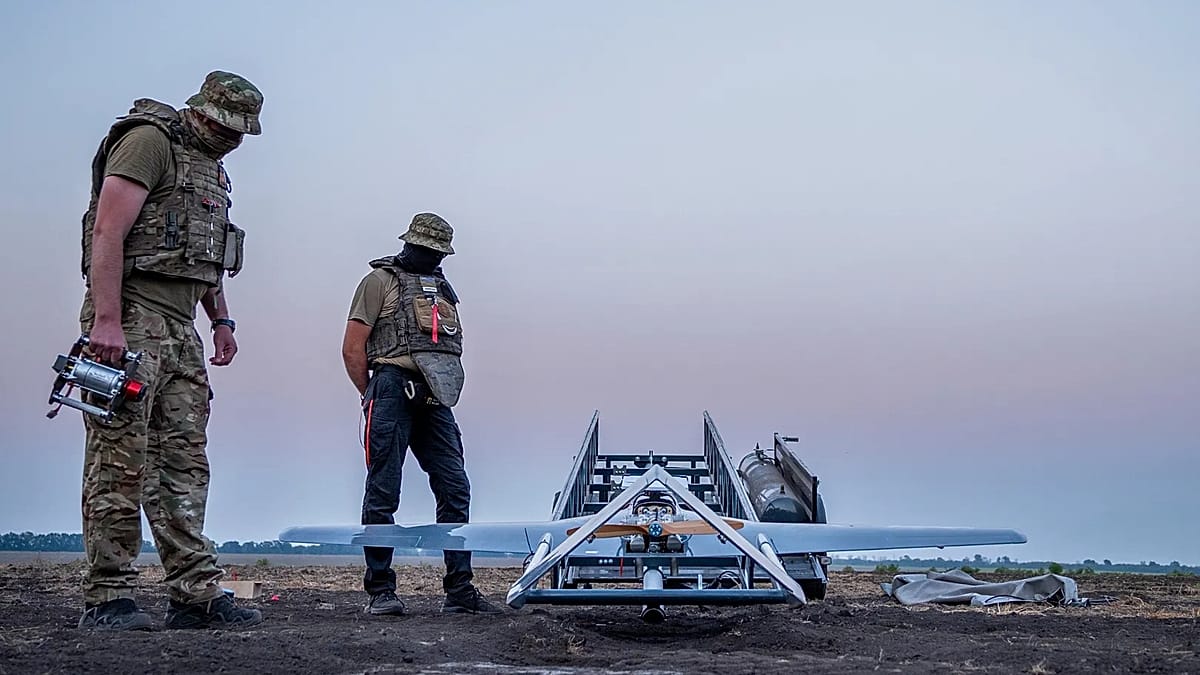
Brussels is finally waking up to the security threat Russia poses to the European Union, Latvia's Prime Minister Andris Kulbergs has told Euronews. His remarks come days after a Russian drone struck a passenger train just two kilometres from the Polish border, and weeks after Germany attributed an attempted drone attack at Leipzig/Halle Airport to Moscow. EU officials have responded with warnings that Europe must prepare for a "new era of European security."
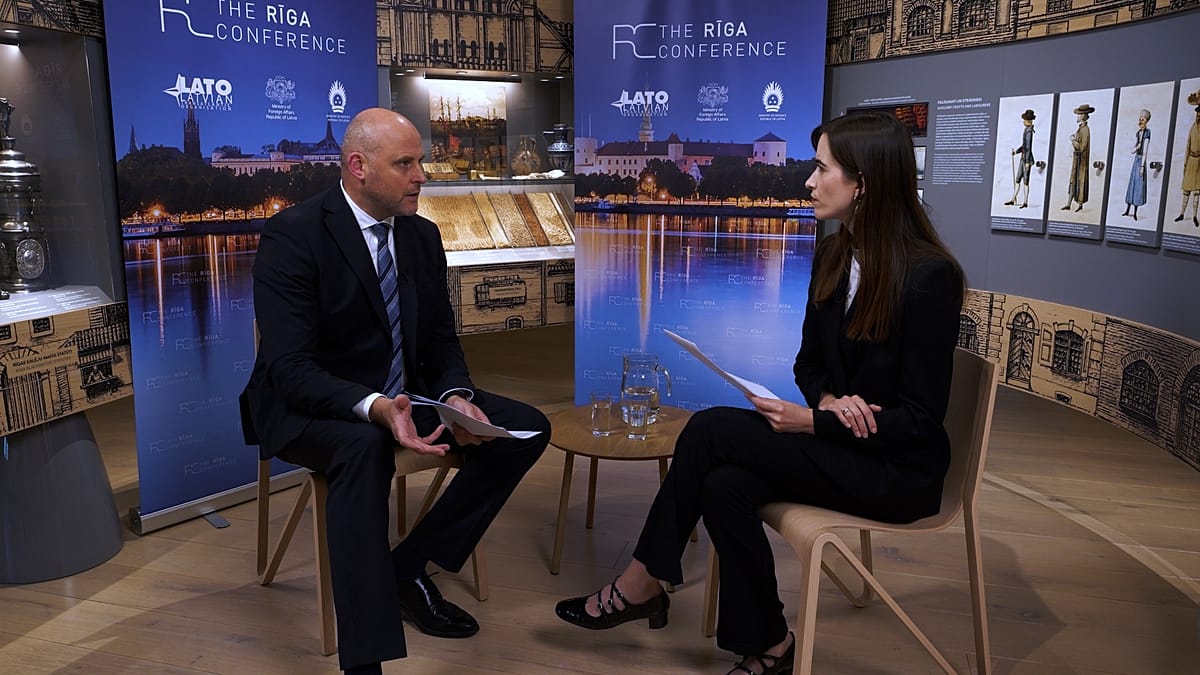
For the Baltic states, these incidents are hardly surprising. They have long cautioned that hostile Russian activity on EU soil would escalate. "We were right, weren't we? We told everyone this was going to happen," Kulbergs said on Euronews' interview programme The Europe Conversation.
Drawing on Latvia's own history, Kulbergs explained the source of that foresight: "We know the bear inside out, what it thinks, how it functions - we were occupied [by Russia] for 50 years. We know the tricks." He added that European leaders are only now grasping the severity. "Everybody now listens. When I meet [European] leaders, they understand what we're saying. It wasn't like that even two years ago."
From understanding to action
While Kulbergs does not believe Russia will open a "second front" against NATO, he insists the EU must translate its new awareness into concrete measures. "Those who prepare for the worst have peace," he said.
Latvia is already among NATO's top spenders on defence as a share of GDP. "We are increasing our debt to invest in security because we understand the threats; we understand we have no other choice. But Europe has to do the same. We have to boost production and prioritise our military industry," Kulbergs argued.
He described Russia as a "bully" that respects only force. "A bully understands force, and this is what we must show. Real force, boots on the ground, investment in our security and showing our muscles."
Closing the sanctions loopholes
To truly deter Moscow, Kulbergs said Brussels must "fully make up its mind" on supporting Ukraine. He pointed to a persistent problem: Russian ballistic missiles contain Western components, despite EU export bans. "We're still supplying Russia for them to build missiles to attack Ukraine, and then we're helping Ukraine with more money to fight back," he said.
Ukrainian officials have provided data to European partners confirming the presence of Western parts in recovered missiles. Kulbergs has been "very open" with his counterparts about the need to close these loopholes. "Maybe in the first place, we should put a full ban on those Western technological components being used in these missiles; then Russia will not be capable of building them. We must impose sanctions and then also actually execute them."
The Latvian leader also stressed the importance of public support. "The [full] commitment is not there, because societies are still behind [when it comes to] understanding the threat," he said, attributing this to a disconnect between politicians and citizens.
Kulbergs, who took office in May after his predecessor resigned over a dispute about stray drones, has made security his top priority. His warnings echo those of other Baltic leaders, who have long argued that Europe must take a harder line against Moscow. As the EU debates its future defence posture, the Baltic perspective is gaining traction.
Related coverage: Poland and Ukraine condemn the strike and details of the drone incident. For broader context, see EU states urging a stronger Arctic role.