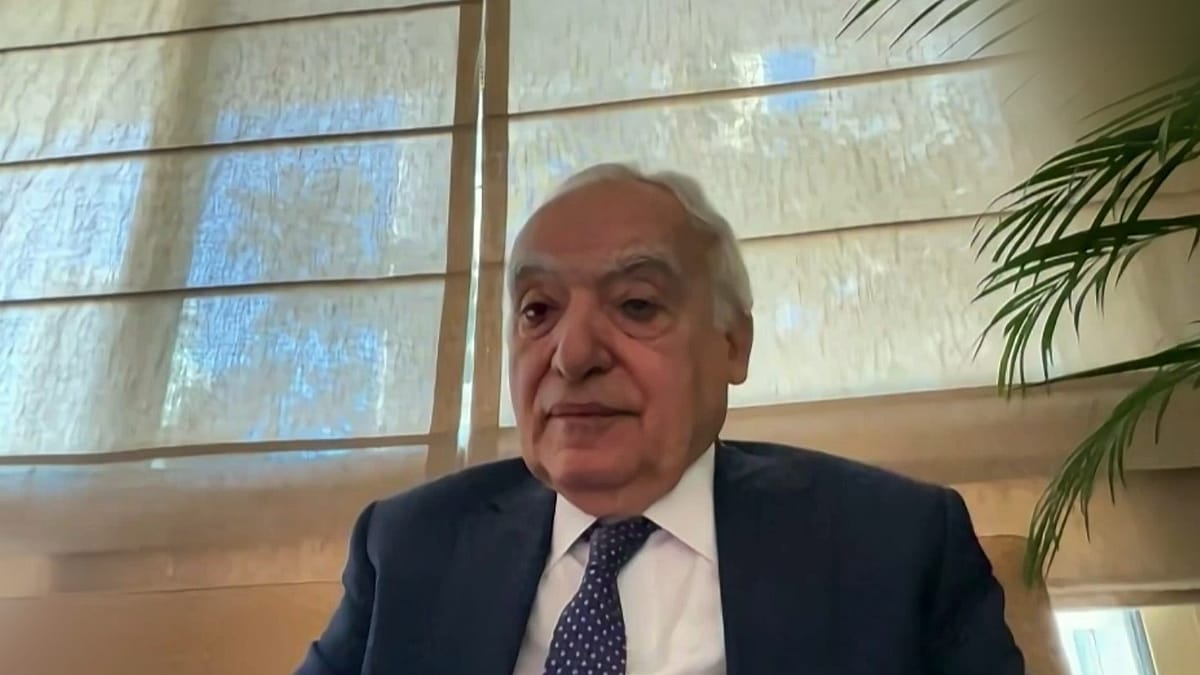
In an interview with Euronews' Europe Today, Lebanon’s Minister of Culture Ghassane Salamé voiced cautious hope that the recently agreed ceasefire between Israel and Lebanon would prove more genuine than earlier truces. The agreement, brokered by the United States, aims to end months of hostilities between Israel and the Iran-backed Hezbollah group.
“The agreement is still fresh, so it's probably too early to decide how serious it is,” Salamé said. He added that it was “not very helpful” that some Israeli cabinet ministers had already publicly rejected the accord. Nevertheless, he argued that the new deal benefits from the “direct commitment of the negotiator” — the United States.
“Without American pressure, we were not expecting the Israeli government to move forward with such an agreement. So it is under sustained American pressure that we can expect real implementation this time,” Salamé explained.
Escalating Tensions and Damage on the Ground
The ceasefire comes at a time of heightened friction between Israeli Prime Minister Benjamin Netanyahu and US President Donald Trump, leaving Lebanon caught between the two leaders. Reports have emerged that Trump called Netanyahu “f***ing crazy” over the scale of Israeli strikes in Lebanon, raising questions about the durability of the truce. Trump confirmed the remark in a recent interview, further complicating the diplomatic landscape.
Salamé also highlighted the extensive destruction inflicted on Lebanon during what he termed Israel’s “incursion” in recent months. “It has destroyed 60 villages entirely – flattened out – and a number of very important heritage sites have also been hit, including the Chateau de Beaufort, to which Lebanese are very attached,” he said. The Château de Beaufort, a Crusader-era fortress in southern Lebanon, is a symbol of national pride and a UNESCO World Heritage candidate.
The fragile ceasefire hinges on Hezbollah ending its military attacks and withdrawing its fighters from the area south of the Litani River. This condition mirrors the terms of UN Security Council Resolution 1701, which ended the 2006 war but was never fully implemented. Lebanese MP criticizes the current situation, arguing that no real ceasefire exists as long as Hezbollah remains armed.
For European observers, the conflict has broader implications. The EU has been a key player in supporting Lebanon’s stability, providing humanitarian aid and pushing for political reforms. The renewed violence risks destabilizing the region further, potentially affecting migration flows and security cooperation with European states. Cyprus, a frontline EU member, has been particularly concerned about the spillover effects of the conflict.
As the ceasefire holds — for now — the international community watches closely. Whether this truce proves more durable than its predecessors will depend on the willingness of all parties to adhere to its terms, and on the continued engagement of Washington. For Lebanon, a country already grappling with economic collapse and political paralysis, the stakes could not be higher.