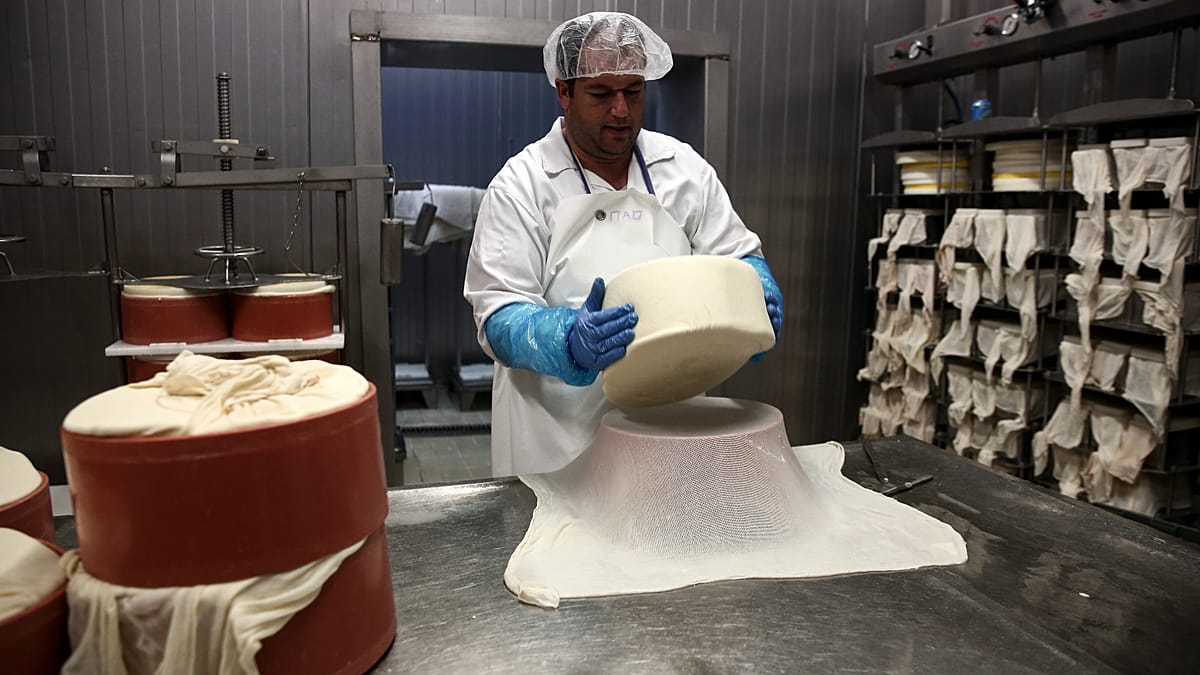
Greek authorities have ended a months-long prohibition on visitors and residents taking locally produced cheeses off the island of Lesvos, a decision that comes just as the summer tourist season gets underway. The Veterinary Directorate-General of the Ministry of Rural Development and Food confirmed that dairy products aged for more than two months are now considered safe to transport, both by ferry and by air.
The restriction had been in place since an outbreak of foot-and-mouth disease was detected in livestock herds on the island. While the disease poses no risk to human health, it is highly contagious among cloven-hoofed animals, prompting strict biosecurity measures that included a ban on moving animal products from affected areas.
What cheeses are now allowed?
The lifted ban covers a range of traditional Greek cheeses that are central to Lesvos's culinary identity. Among them are:
- Feta – the brined white cheese that is a staple of Greek cuisine
- Ladotyri – a hard cheese preserved in olive oil
- Kasseri – a semi-hard cheese with a slightly elastic texture
- Graviera – a nutty, sweet cheese often aged for several months
- Kefalotyri – a salty, firm cheese used for grating
In practice, this means that tourists and locals alike can once again purchase mature cheeses from shops and farms on the island and carry them home, whether they are travelling by ship or by plane. The decision effectively restores a significant share of retail sales for local producers, who had seen a sharp drop in demand from visitors unable to take their products with them.
The timing is crucial. Lesvos, like many Greek islands, relies heavily on summer tourism, and cheese is one of the most popular souvenirs. According to the regional governor of the North Aegean, Kostas Moutzouris, the lifting of the ban "brings Lesvos's livestock farming closer to normality and which must finally be freed from foot-and-mouth disease."
Moutzouris had been pressing the deputy minister of rural development, Athanasios Kavvadas, to relax the restriction, following a formal request from the Lesbos Cheese Producers' Association. In a statement, he expressed satisfaction with the outcome, noting the economic importance for the island's dairies.
The outbreak had also disrupted livestock movements and exports from the wider region, though the European Commission had not imposed a full ban on Greek dairy products. The decision to allow aged cheeses is in line with EU animal health regulations, which consider such products safe because the maturation process inactivates the virus.
For the island's cheesemakers, the news is a relief. Many had reported a sharp drop in sales during the spring months, when the ban was in force. With the summer influx of visitors now beginning, they hope to recover some of the lost revenue. The move also signals a gradual return to normalcy for the island's agricultural sector, which had been under strain since the outbreak was first confirmed.
Lesvos is not the only Greek region to have faced such restrictions. Similar measures were imposed on other islands during past outbreaks, and the pattern is familiar: a swift response to contain the disease, followed by a slow easing of trade and travel limits as the situation stabilises.
For now, the focus is on the positive. As tourists pack their bags for the summer, they can again bring home a taste of Lesvos – and support the island's farmers and cheesemakers in the process.