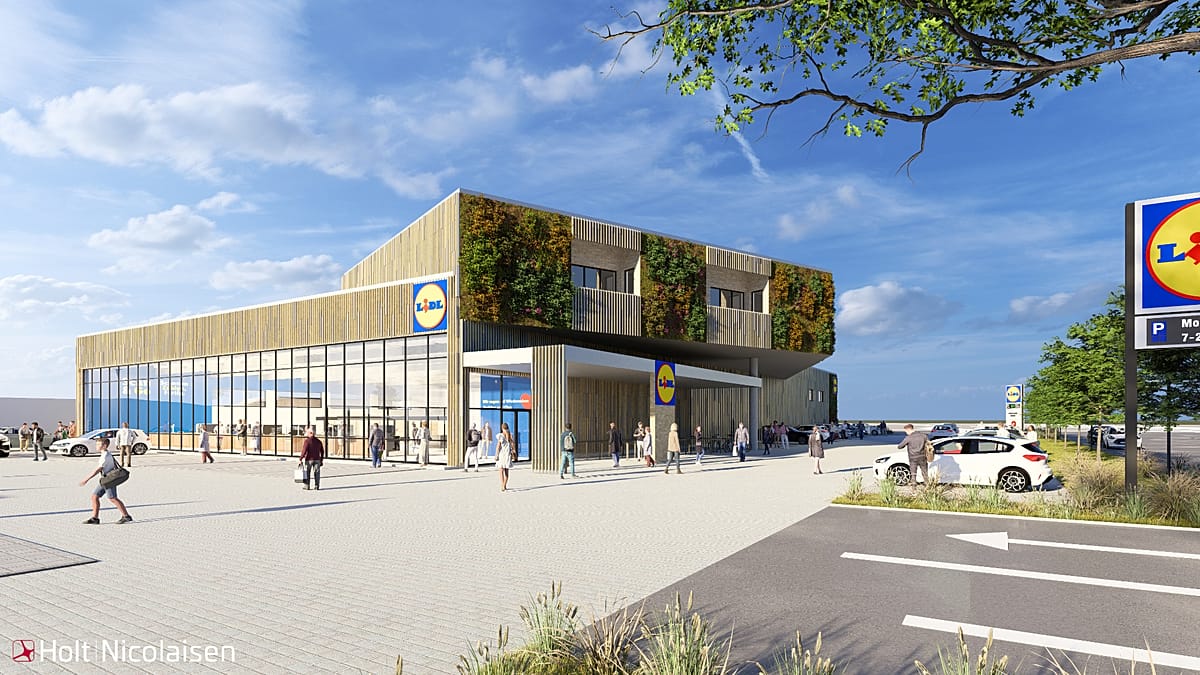
On Sylt, the North Sea island synonymous with thatched roofs, dunes and Germany's wealthiest holidaymakers, an unlikely developer is challenging the status quo. Lidl, the discount chain, is building a mixed-use complex in Tinnum that will place 15 permanent flats directly above a new 1,600-square-metre supermarket. The homes, ranging from 44 to 78 square metres, are explicitly designated for year-round residents, not holiday lets.
The project addresses a chronic problem. Sylt has long struggled with acute housing shortages, with locals and seasonal workers pushed out by soaring prices and the conversion of housing stock into second homes and short-term rentals. By offering flats close to workplaces, Lidl aims to give commuters a realistic alternative to long journeys from the mainland.
A new model for retail and housing
Mayor Tina Haltermann has welcomed the scheme as a pioneering step, noting that it demonstrates how modern retail and residential space can be combined while minimising land use. The 16,000-square-metre site will not simply replace the old Lidl building. The existing structure is being retained and merged with the new complex to create a local services hub. A pharmacy, a health and beauty store and regional businesses are slated to occupy the older sections, establishing a central point of contact for residents and visitors alike.
The development is also a test case for sustainable construction. Lidl is using a hybrid timber method, partial greening of the façade and roof, and extensive material recycling. Processed concrete is reused as paving outside, while secondary plastics and recycled glass and aluminium feature inside. Energy-wise, the complex is designed to be self-sufficient: a large rooftop photovoltaic array generates green electricity, and waste heat from refrigeration is captured through advanced ventilation and heat pumps to heat and cool the building.
Convenience and charging infrastructure
For shoppers, the new store promises wider aisles and a redesigned product presentation. There are 184 parking spaces, and electric vehicle drivers get three ultra-modern charging columns with six points delivering DC power between 60 and 180 kilowatts. The combination of housing, retail and charging infrastructure reflects a broader European push to integrate energy transition goals into everyday urban and rural planning.
The Tinnum project may seem small in scale, but its symbolic weight on Sylt is considerable. If it succeeds, it could offer a template for other German coastal and tourist regions facing similar pressures. It also raises questions about the role of private retailers in addressing public housing shortages, a debate that resonates far beyond the island. As Germany weighs its 2045 fossil fuel exit plan, experiments like this one show how commercial actors can contribute to both housing and climate goals.
Whether Lidl's gamble will ease Sylt's housing crisis or merely provide a token number of units remains to be seen. But for now, the discount chain has done what decades of policy debate could not: put permanent, affordable housing directly above a supermarket on one of Europe's most exclusive islands.