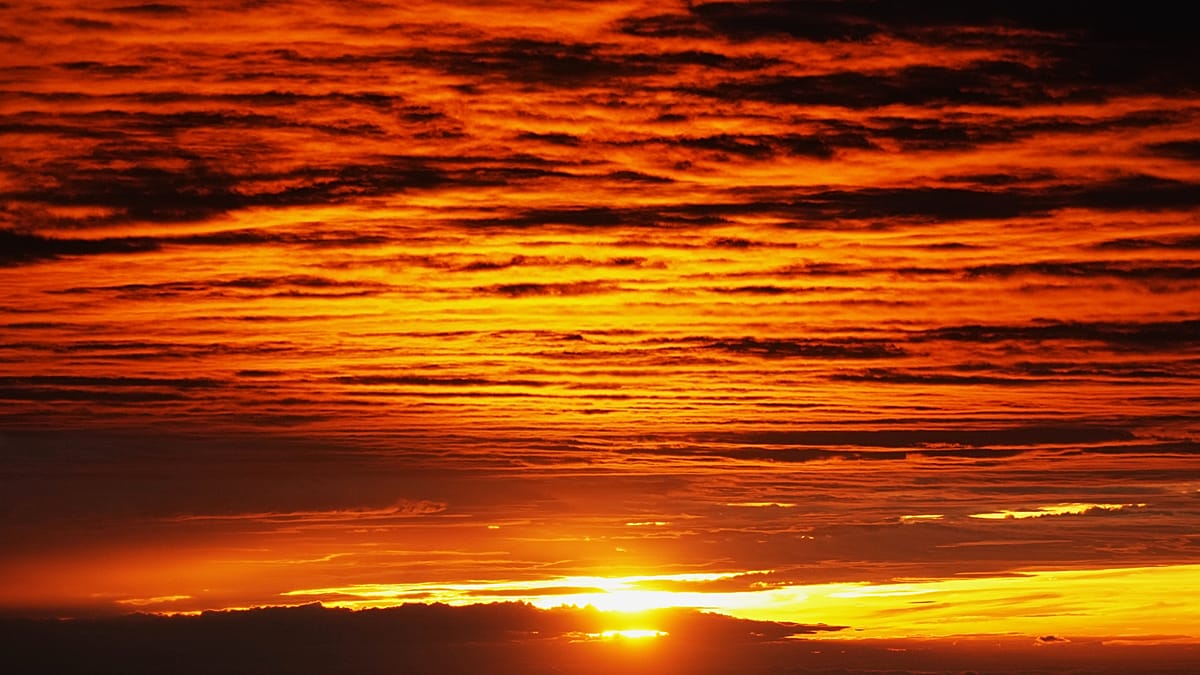
For most people, Mount Fuji is a destination—a bucket-list climb or a postcard view. For Megumi Ueda, it has been a workplace and home for much of the past 17 years. During the climbing season, she lives and works at a Shinto shrine just below the 3,776-metre summit, photographing sunrises, sunsets, and the mountain's notoriously fickle weather while warning climbers about what awaits them.
Ueda first climbed Fuji in her early thirties on a friend's recommendation. The ascent left a deep impression, and she later applied for a job at the mountain shrine, which allowed her to spend extended time at the summit and pursue her photography. Her first season was tough: no access to a bath, little personal freedom, and thousands of climbers passing through. But the views kept pulling her back.
“When I finally came down and turned around and looked at Mt Fuji, all those views came rushing back to me, and I just started crying,” she recalls.
She has returned for most climbing seasons since, helping prepare meals for shrine staff while documenting the mountain. Her daily routine begins at around 04:00, when she wakes to capture the sunrise. “You can’t create that scenery,” she says. What draws her most is the shared experience: climbers from every corner of the globe, standing together in silence as the sun rises over the Pacific. “There probably aren’t many places where everyone, people from all different countries, looks in the same direction and shares that sense of awe together,” she notes.
Documenting danger as well as beauty
Ueda's photography is not only about Fuji's spectacular vistas. She also documents its harsh and unpredictable weather, which is being altered by human-caused climate change. The peak typically gets its first snow by early October, but in 2024 the summit remained snow-free until early November—the longest such delay in 130 years of records.
Each day, Ueda measures temperature and wind speed at the summit and posts the data online, along with videos showing conditions. She believes visual evidence communicates risk more effectively than numbers alone. “At the summit, the temperature is like midwinter in February,” she says. Strong winds can make walking impossible, and poor visibility can disorient even experienced hikers. “I think a lot of people simply don’t expect the weather to be that severe,” she adds.
More than 200,000 people ascend Mount Fuji during the official season, and Ueda has been trained in wilderness first aid. She has repeatedly assisted with rescues near the summit, encountering climbers suffering from hypothermia after arriving inadequately dressed, as well as those who have fallen and cannot continue. Japanese media reported at least six deaths on the mountain during the 2024 season.
Ueda wants her real-time updates to give climbers a clearer picture of conditions at the top. “There aren’t any webcams or anything like that at the summit, so I want to be the one to communicate those conditions instead,” she says. “I’m doing this because I hope that seeing the actual conditions will help raise awareness about safety.”
Her work echoes broader concerns about how climate change is affecting mountain environments across the globe, from the Alps to the Andes. As European cities step up their fight against air pollution, the changing weather on iconic peaks like Fuji serves as a stark reminder of the challenges ahead.
For Ueda, documenting Mount Fuji means showing both sides of the mountain: the beauty that draws people from around the world, and the dangers that can turn a dream climb into a tragedy. She continues to photograph the sunrises that first brought her back, while using her platform to highlight the risks. “I want to keep thinking about how we can make sure everyone can enjoy climbing the mountain safely and return safely,” she says.