A study published in The Lancet Public Health has found that children living in central London experienced faster lung growth after the introduction of the city's Ultra Low Emission Zone (ULEZ), providing some of the strongest evidence yet that traffic-reduction policies can deliver measurable health benefits.
Researchers from Queen Mary University of London tracked more than 3,400 children aged 6 to 9 over several years, comparing those in central London with a similar group in Luton, a town north of the capital that did not have a clean-air zone. The staggered rollout of the ULEZ created what the scientists describe as a “natural experiment”, allowing them to isolate the effect of reduced traffic pollution on lung development.
Each year, the children performed a standard breathing test that measures how much air they can forcefully exhale in one second—a key indicator of lung function. Before the ULEZ was introduced, children in London had slower lung growth than their peers in Luton. But within five years, that gap had closed.
Pollution fell more than twice as fast in London
Levels of nitrogen dioxide, a pollutant closely linked to vehicle exhaust, fell by about 3.8 micrograms per cubic metre per year in central London, compared with 1.8 in Luton. As pollution dropped, the London children's lungs began to grow faster—by an average of 233 millilitres per year, versus 223 millilitres in Luton. After four years, the difference between the two groups had disappeared.
The study is the first to link improved air quality from a clean-air zone with faster lung growth in children, according to the authors. The implications are significant: children whose lungs do not fully develop are at greater risk of asthma and other respiratory problems later in life. In central London, the proportion of children with impaired lung function fell from 14% to 9% as pollution levels declined.
The findings come as cities across Europe grapple with how to tackle air pollution, which remains a major public health issue. The European Environment Agency estimates that fine particulate matter alone causes hundreds of thousands of premature deaths each year on the continent. London's experience offers a practical example of how targeted policies can make a difference, though the ULEZ has not been without controversy.
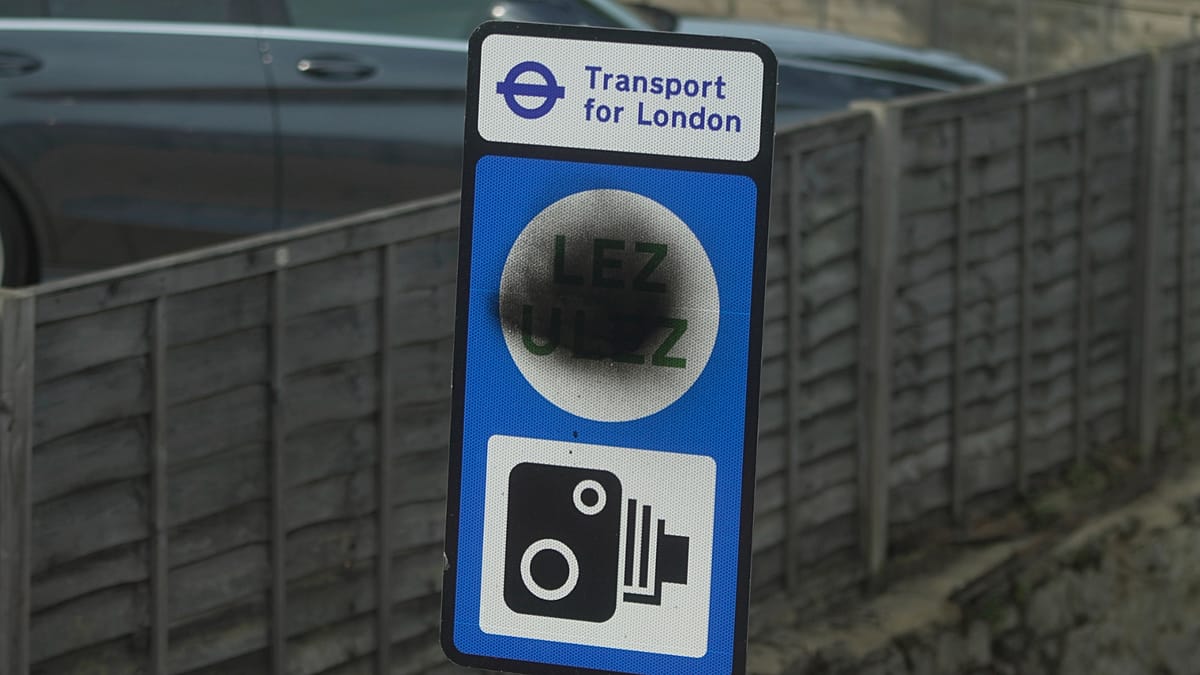
The zone was extended from central London to inner London in October 2021, and to all of the city's boroughs in August 2023. That expansion was challenged in court by several London councils, but the High Court ruled that it could proceed. The Metropolitan Police have also reported that a number of ULEZ cameras were vandalised or stolen during the rollout.
Despite the pushback, the study's authors argue that the health benefits are clear. “Our findings show that reducing traffic pollution can have a direct, positive impact on children's lung development,” said one of the lead researchers. “This is not just about cleaner air—it's about giving children a healthier start in life.”
The research adds to a growing body of evidence on the health effects of air quality. For instance, London's pocket sensors have been putting real-time air quality data in residents' hands, helping them avoid the most polluted routes. Meanwhile, a separate study on solar storms and radiation risk highlights other environmental threats to health.
For policymakers in other European cities considering similar schemes, the London data offers a compelling case. As the continent's urban centres continue to grow, balancing mobility with public health will remain a central challenge. The evidence from this study suggests that well-designed clean-air zones can be part of the solution.