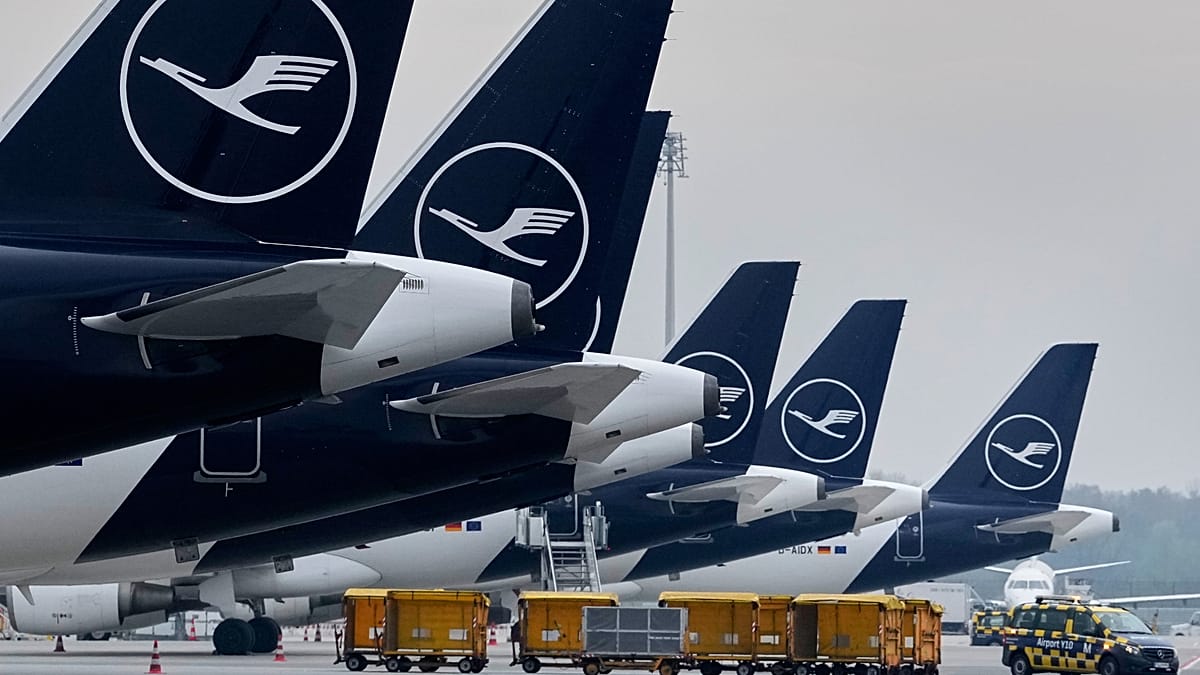
Lufthansa is preparing to eliminate 1,000 full-time positions at its principal hubs in Frankfurt and Munich, a move that underscores the deepening financial strain on Germany's flagship carrier. The decision follows a period in which the airline's core brand lost an average of €20 million per month between January and September, according to an internal letter to employees seen by AFP.
The letter attributes the losses to a combination of labour unrest and a sharp rise in jet fuel prices triggered by the ongoing conflict in the Middle East. Strikes by pilots and cabin crew, together with the war's impact on energy markets, have slowed the turnaround programme that Lufthansa launched in 2024.
Turnaround plan under pressure
That programme, which encompasses more than 700 individual measures, was designed to boost earnings by €2.5 billion by 2028. However, the letter warns that the steps announced so far are "no longer sufficient" to meet those targets. "The year 2026 has set us back: the war in the Middle East, the still very high fuel costs, nine days of strike action and our already very high cost base have intensified the situation," the letter states.
The 1,000 job cuts represent roughly 2.5% of the airline's workforce of about 40,000. It remains unclear whether these positions are part of the 4,000 mostly administrative roles that the Lufthansa Group said last year it would shed by 2030. The group, which also owns Swiss, Austrian Airlines and Brussels Airlines, and is in the process of acquiring up to 49.9% of TAP Air Portugal in a €1.2 billion deal, has performed better than its core brand.
In the third quarter, the group's operating profit rose 6% to €1.4 billion, beating analyst expectations thanks to robust demand for premium long-haul seats. Net profit jumped 30% to €1.26 billion, partly aided by valuation gains and a favourable comparison with a tax charge that had weighed on the year-earlier figure. Yet over the first nine months, net profit was still down 35%, and on 3 November the group trimmed its full-year operating profit forecast to between €1.7 billion and €2 billion, down from an earlier projection of up to €2.2 billion.
The core airline's third-quarter operating profit fell by a third to €300 million. CEO Carsten Spohr acknowledged the urgency, saying, "We must now accelerate the financial turnaround of our core brand."
The job cuts come as the broader European aviation sector contends with geopolitical instability. The war in the Middle East has not only pushed up fuel costs but also disrupted flight paths and raised insurance premiums. Meanwhile, the conflict in Ukraine continues to affect airspace and travel patterns across the continent, with Russian strikes on Kyiv and other cities serving as a stark reminder of the region's fragility.
For Lufthansa, the challenge is to balance cost reduction with maintaining service quality at its two largest hubs. Frankfurt and Munich are critical to the airline's network, and the planned cuts are likely to affect administrative and support functions rather than frontline operations. The company has not yet detailed which departments will be impacted, but the letter suggests that further measures may be announced in the coming months.
Analysts note that Lufthansa's situation is not unique. European carriers are grappling with rising costs, labour disputes, and geopolitical risks. The group's diversified portfolio, including its profitable Swiss and Austrian subsidiaries, provides some buffer, but the core brand's struggles remain a drag on overall performance.
As the airline navigates these headwinds, the coming months will be crucial. With the Iran war showing no signs of abating, fuel prices are likely to remain elevated, and the threat of further strikes persists. Lufthansa's ability to execute its turnaround plan will depend on its capacity to adapt to a volatile environment while preserving its competitive edge in the premium long-haul market.