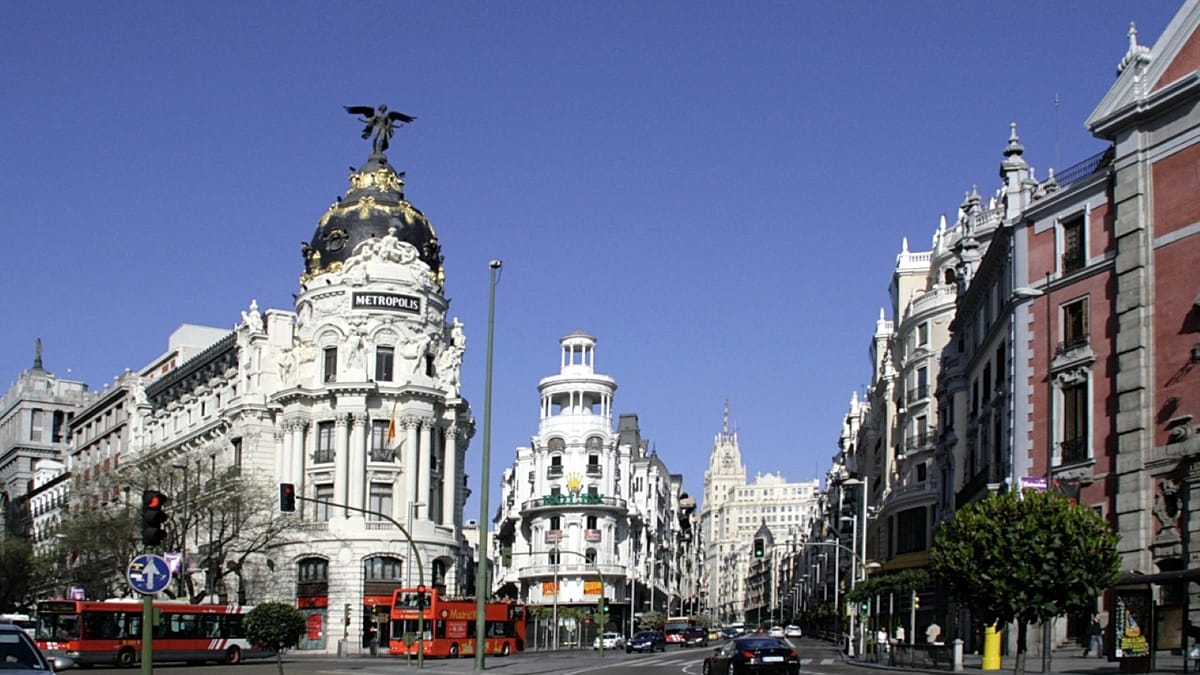
Madrid has cemented its status as one of Europe's most magnetic capitals, with international tourism spending surpassing €10 billion in just six months for the first time. According to Spain's National Statistics Institute (INE), visitors from abroad generated €10.007 billion between January and June 2026, an 11.4% increase compared with the same period in 2025.
The figures underline a broader trend: the Spanish capital is no longer just a stopover but a destination in its own right, drawing travellers with its trio of world-class art museums, dense historic quarters, and a dining scene that has earned global acclaim. City officials argue the boom goes beyond balance sheets.
Almudena Maíllo, the city councillor responsible for tourism, said the sector's growth is breathing new life into neighbourhoods, creating jobs, and strengthening public services. Her comments reflect a growing recognition that tourism's benefits extend far beyond hotel receipts.
More visitors, longer stays, and a shift toward international markets
The capital welcomed 5.66 million international tourists in the first half of 2026, a 4.1% rise year on year. Crucially, foreign visitors now account for 59% of all arrivals and generate two out of every three hotel nights. Total overnight stays approached 12 million, with international guests averaging 2.38 nights per visit.
The United States remains Madrid's most valuable source market, with more than 567,000 American travellers and over 1.3 million overnight stays. Italy and the United Kingdom complete the top three, reflecting the city's enduring appeal across the Atlantic and within Europe.
Brazil emerged as the standout growth story, with visitor numbers jumping 30% and overnight stays up 24% compared with the previous year. Portugal also posted solid gains, reinforcing Madrid's role as a bridge between European and Latin American markets.
The tourism surge is also reshaping the city's infrastructure. By the end of June, Madrid counted 920 hotel establishments, nearly 48,600 rooms, and more than 96,000 beds. Employment in the sector reached 15,249 workers, a 5.4% increase, signalling strong business confidence in the city's long-term appeal.
While Madrid's record figures are cause for celebration, they also raise questions about sustainability and the balance between growth and quality of life—a debate familiar to other European hotspots like Barcelona, Amsterdam, and Lisbon. The city's challenge will be to maintain its momentum without losing the very character that attracts visitors in the first place.
For now, the numbers tell a story of a capital that has successfully diversified its visitor base and extended its season. With the United States, Brazil, and key European markets all expanding, Madrid looks well positioned to keep breaking records in the months ahead.