Europe's tourism sector is showing resilience in 2026, even as global travel growth remains modest. According to the latest World Tourism Barometer from UN Tourism, international arrivals worldwide rose just 0.4% in the first half of the year, but Europe outperformed with a 3% increase, second only to Africa's 4%.
Some 350 million international tourists visited the continent between January and June. Yet the growth was far from uniform, with distinct regional variations reflecting shifting traveller preferences and external pressures.
Eastern and Southern Europe surge, Western Europe stumbles
Southern Mediterranean Europe and Central Eastern Europe both recorded a 4% increase in arrivals, while Northern Europe followed closely with 3%. In contrast, Western Europe saw a 1% decline. UN Tourism attributed this dip to "heatwaves in June and weaker long-haul demand in some destinations during Q2 2026."
The contrast highlights a broader trend: travellers are increasingly choosing destinations perceived as more accessible or affordable, often within their own region. The ongoing conflict in the Middle East has also reshaped demand, with UN Tourism Secretary-General Shaikha Al Nuwais noting that "the Middle East situation has touched destinations far beyond the region itself and serves as a clear reminder that, in such a connected world, resilience needs to be built everywhere and not just when a crisis begins."
Globally, the Middle East saw a 22% drop in arrivals, while South Asia and South East Asia fell 5% and 1% respectively. In Europe and Asia Pacific, the report notes that the conflict has "partly shifted tourism demand toward nearby and more accessible destinations."
Moldova, Greece, and Ireland lead the pack
Among European nations, Moldova recorded the most dramatic growth, with a 25% surge in tourist arrivals in the first half of the year. This comes as the country accelerates its EU accession process, a development that has drawn increased attention from investors and visitors alike. For more on the country's reform trajectory, see Moldova's reform pace.
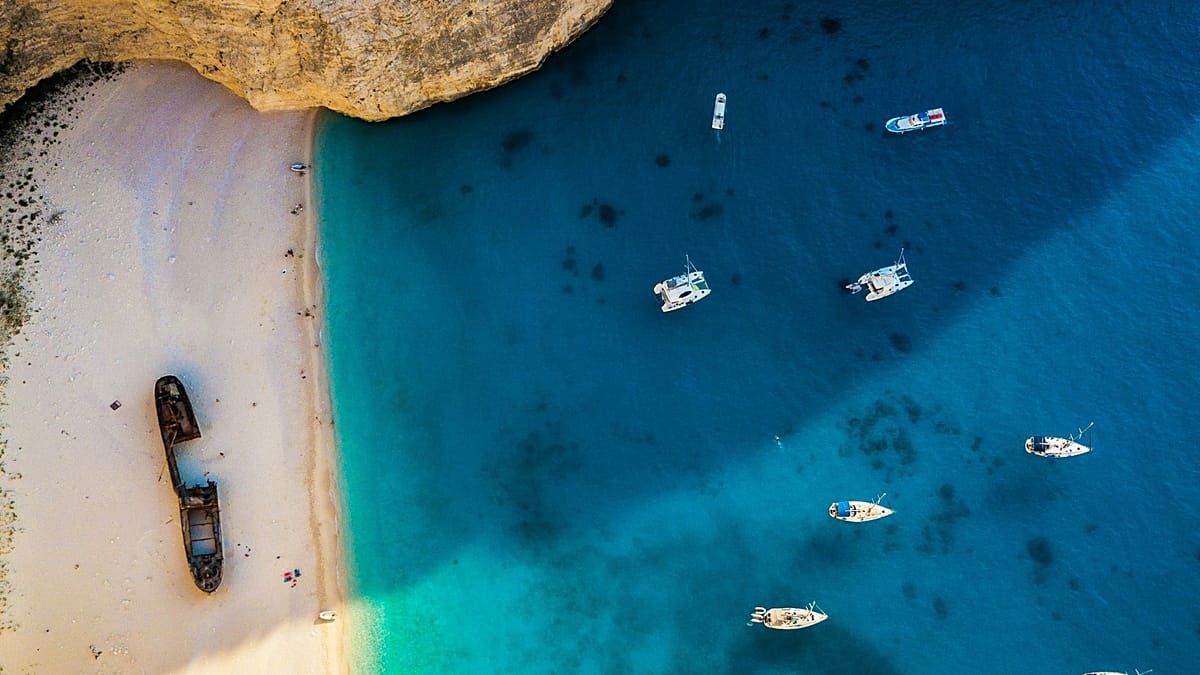
Greece and Ireland both saw a 15% increase, cementing their status as perennial favourites. Greece's appeal continues to be bolstered by its islands and cultural heritage, while Ireland benefits from strong demand from North American and European travellers. For a taste of Greece's unique attractions, consider Atokos, where wild boars swim with tourists.
Other global standouts include El Salvador (+37%), Paraguay (+34%), Bhutan (+31%), Vanuatu (+30%), Palau (+29%), Mongolia (+27%), Uzbekistan (+25%), and South Korea (+21%).
The data underscores a broader shift in global tourism dynamics. While traditional Western European hubs face challenges from climate and economic factors, emerging destinations in Eastern and Southern Europe are capitalising on their unique offerings and improved accessibility. As the year progresses, industry observers will be watching whether these trends hold, particularly as the summer season peaks and travellers weigh factors like heatwaves and geopolitical stability.