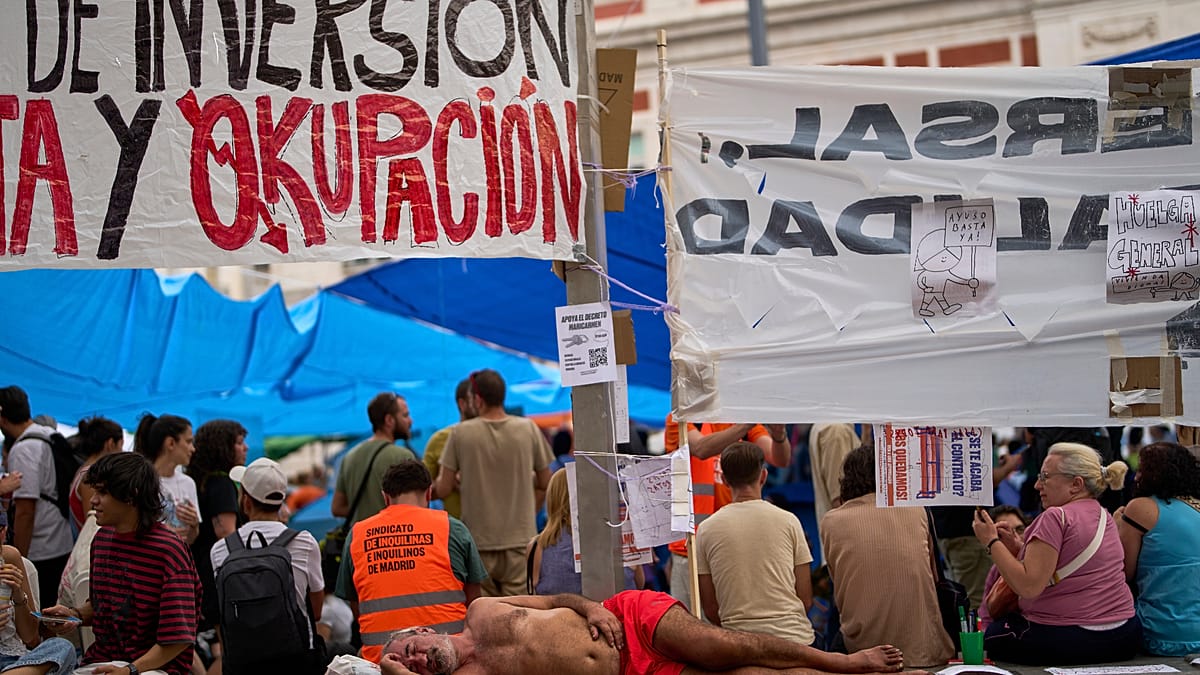
For a second consecutive night, protesters have turned Madrid's Puerta del Sol into an improvised encampment, responding to the eviction of María del Carmen Abascal, an 87-year-old woman widely known as Maricarmen. The square, normally a bustling hub for tourists and commuters, now hosts tents, banners and a growing crowd demanding action on housing.
The eviction of Maricarmen, as she is affectionately called, has become a rallying point for a broader movement against soaring rents and evictions across Spain. Her case, which has drawn attention nationwide, highlights the human cost of a housing market that many argue has failed ordinary citizens.
A growing movement
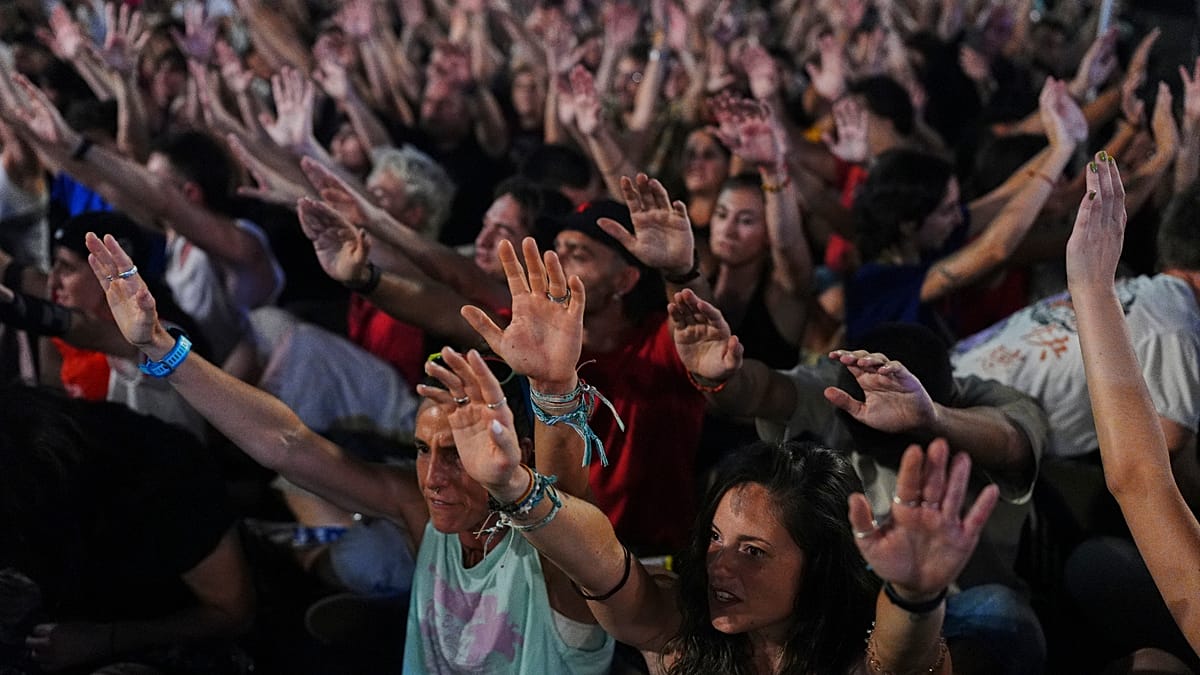
The protest in Puerta del Sol is not an isolated event. Similar demonstrations have erupted in other Spanish cities, including Granada, where crowds have swelled in solidarity with Maricarmen. The encampment in Madrid has become a focal point for activists, housing rights groups and ordinary residents who say they are being priced out of their neighbourhoods.
Organisers say the camp will remain until concrete measures are taken. "We are here because we have no home," one protester told European Pulse. "This is not just about one eviction; it is about a system that treats housing as a commodity rather than a right."
The Spanish government has been under mounting pressure to respond. Prime Minister Pedro Sánchez has pledged to introduce a housing decree, though details remain scarce. The opposition has criticised the government for moving too slowly, while activists demand immediate rent caps and stronger protections for vulnerable tenants.
Political ramifications
The timing is politically sensitive. Spain is still grappling with the aftermath of recent regional elections, and housing has emerged as a top concern for voters. The protest in Puerta del Sol has the potential to reshape the political agenda, forcing parties to address an issue that resonates across generations.
The encampment has also drawn comparisons to similar movements elsewhere in Europe, where housing affordability has become a flashpoint. From Berlin to Lisbon, activists are demanding that governments intervene to curb speculation and protect residents.
As the sun set on the second night, the mood in Puerta del Sol remained defiant. Protesters chanted slogans and shared food, while volunteers distributed blankets and water. The square, usually a symbol of Madrid's vibrant public life, has become a stage for a deepening crisis.
For Maricarmen, the outcome remains uncertain. Her eviction has sparked a movement, but whether it will lead to lasting change is yet to be seen. What is clear is that the housing crisis in Spain—and across Europe—is no longer a background issue. It is now at the heart of political debate.