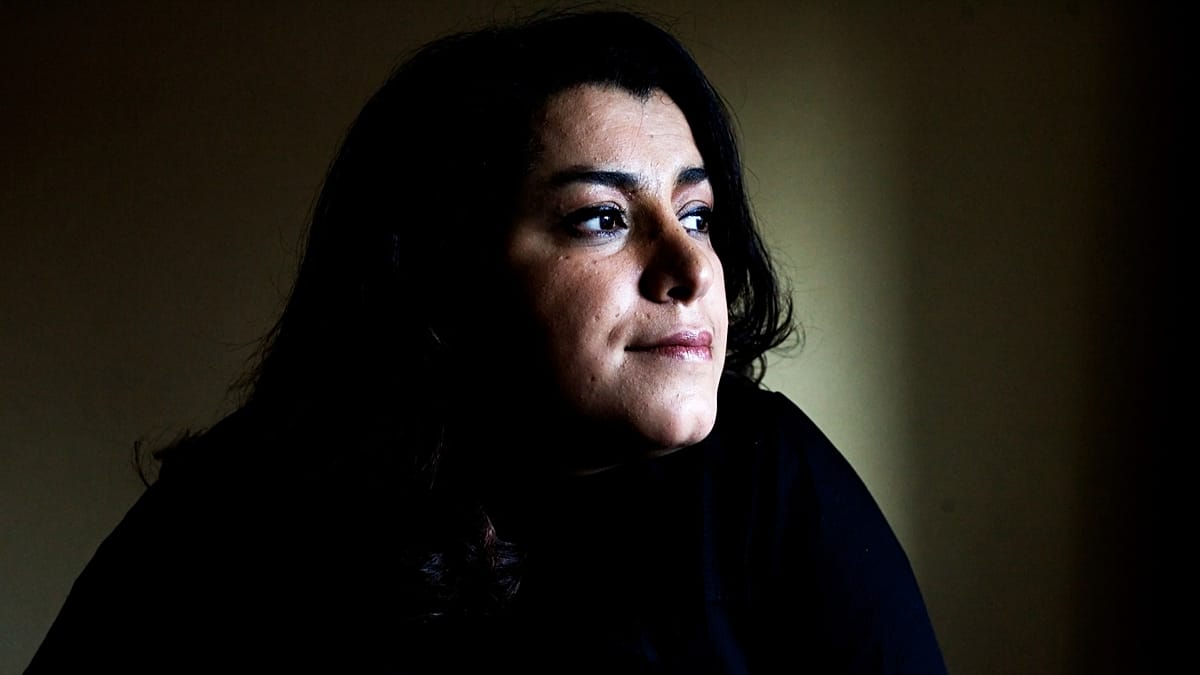
Marjane Satrapi, the French-Iranian graphic novelist and filmmaker whose autobiographical work Persepolis became a global touchstone for understanding life under Iran's Islamic Republic, has died in Paris at the age of 56. Her family announced that she passed away from grief, just over a year after the death of her husband, producer and screenwriter Mattias Ripa, on 8 April 2025.
Born in Rasht, in southwestern Iran, on 22 November 1969, Satrapi grew up in Tehran during the tumultuous years following the 1979 revolution. Her parents, aware of the growing restrictions imposed by the theocratic regime, sent her to Europe as a teenager to begin a life in exile. She arrived in France in 1994 and became a French citizen in 2006.
A Voice from Exile
Satrapi's breakthrough came with Persepolis, a black-and-white graphic novel that chronicled her childhood and adolescence in Iran, capturing the clash between personal freedom and state oppression. The book was translated into dozens of languages and became a staple in classrooms across Europe. In 2007, she co-directed an animated film adaptation with Vincent Paronnaud, which premiered at the Cannes Film Festival and won the Jury Prize, sharing the honour with Carlos Reygadas's Silent Light. The film was later nominated for the Academy Award for Best Animated Feature, making Satrapi the first woman to receive a nomination in that category. It was also France's official submission for Best International Feature at the 80th Academy Awards.
Her other notable works include the graphic novel Chicken With Plums (Poulet aux prunes), which she also adapted into a film with Paronnaud, the comedy-horror The Voices starring Ryan Reynolds, and Radioactive, a 2019 biopic about the two-time Nobel Prize winner Marie Curie. Her final comic, Woman, Life, Freedom, was published in 2024, two years after she voiced strong support for the Mahsa Amini protests in Iran, describing the movement as a cultural revolution.
Satrapi was an outspoken critic of Iran's regime and of what she saw as European hypocrisy in dealing with Tehran. In 2025, she refused the French Légion d'honneur, citing the country's inconsistent stance toward Iran. Her death comes amid heightened tensions between Europe and Iran, including recent incidents such as France detaining a tanker linked to an Iranian network moving Russian oil and the French Navy intercepting a Russia-linked tanker in the Atlantic.
Her legacy is not only in her art but in her unflinching commitment to freedom of expression. As she once said, "I am not a spokesperson for Iran. I am a witness." Satrapi's work will continue to resonate across Europe, where her story of exile and resilience speaks to the continent's own struggles with identity, migration, and the boundaries of free speech.