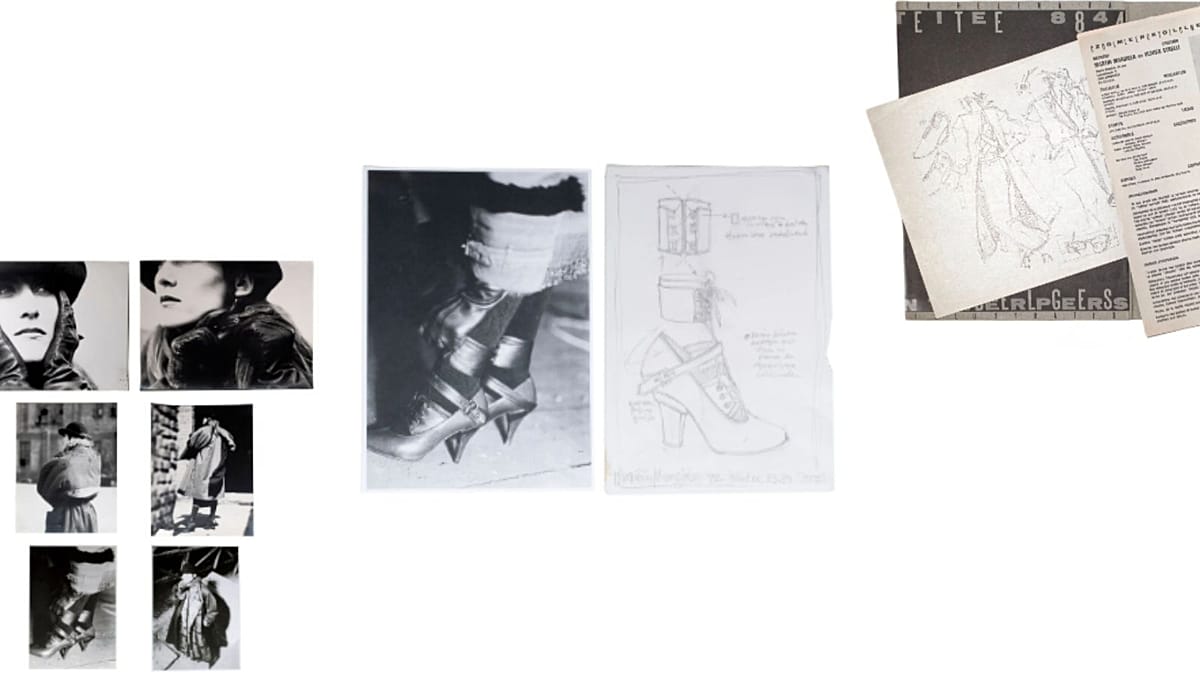
Martin Margiela, the Belgian fashion designer known for his reclusive nature and pioneering deconstructed aesthetic, is auctioning off his personal archives. The sale, which includes sketches, garments, and ephemera from his decades-long career, provides a rare window into the creative process of one of fashion’s most enigmatic figures.
Margiela, who founded his eponymous label in Paris in 1988, became famous for his upcycled designs—transforming vintage clothing and found objects into high-fashion pieces. His work challenged conventional notions of luxury and craftsmanship, influencing a generation of designers from Raf Simons to Demna Gvasalia. The auction, conducted by a European auction house, features items that span his early collections through his later artistic projects.
A Legacy of Deconstruction and Anonymity
Margiela’s decision to sell his archives is significant because he has long avoided the spotlight. He rarely gives interviews, never appears in photographs, and has maintained a strict policy of anonymity throughout his career. This auction, therefore, marks a departure from his usual secrecy, allowing collectors and fans to acquire pieces that offer insight into his methods.
The collection includes original sketches, pattern pieces, and samples from his most iconic collections, such as the 1990s “doll’s wardrobe” and the “tabi” boots that became a signature. Also included are personal notes and correspondence that reveal his collaborations with artists and musicians. The auction house has described the archive as “a treasure trove for anyone interested in the evolution of contemporary fashion.”
This event comes at a time when the fashion industry is grappling with sustainability and the ethics of production. Margiela’s emphasis on upcycling and reuse resonates with current debates about fast fashion and waste. In recent years, the EU has tightened customs on fast fashion after tests revealed widespread toxic chemicals, and the bloc has also ended tax-free loopholes for platforms like Shein and Temu, raising costs for cheap imports. Margiela’s approach offers an alternative model that prioritizes longevity and creativity over volume.
The auction also highlights the growing market for designer archives. As fashion becomes increasingly digitized and ephemeral, physical artifacts from influential designers are becoming more valuable. This trend is part of a broader shift in luxury fashion, where heritage and craftsmanship are prized. For instance, lab-grown dinosaur collagen is being explored as a potential material for luxury goods, as seen in the T-Rex Leather project, which could redefine how we think about materials.
Margiela’s influence extends beyond clothing. His work has been exhibited in museums across Europe, including the Musée des Arts Décoratifs in Paris and the ModeMuseum in Antwerp. The auction is expected to attract bids from institutions as well as private collectors, reflecting the enduring appeal of his vision.
For those unable to attend the auction in person, the house is offering a virtual viewing room, allowing global access to the archive. This digital approach mirrors Margiela’s own use of technology in his later work, where he experimented with digital prints and virtual presentations.
The sale is scheduled to take place later this month in Brussels, with proceeds going to support emerging designers through a foundation established by Margiela. The move underscores his commitment to nurturing new talent, even as he steps back from the public eye.