Meta has agreed to pay $17 billion (€14.6 billion) and implement a series of child-safety measures on its Facebook and Instagram platforms, settling a landmark US lawsuit over teen social media addiction. The deal, announced on Wednesday by a coalition of state attorneys general, brings an abrupt end to a trial that had been closely watched on both sides of the Atlantic.
The settlement, which covers claims filed by 29 states, including California, Colorado, Kentucky, and New Jersey, is one of the largest consumer protection agreements in US history. In Virginia alone, the payout amounts to $353 million (€302 million), according to state Attorney General Jay Jones.
“For years, Meta intentionally deceived the public about the addictive and harmful design features that have wreaked havoc on youth mental health,” Jones said in a statement. “This settlement will put an end to these dangerous practices and deliver meaningful relief that will protect children from online harm.”
The $17 billion figure represents a fraction of Meta’s 2025 revenue of $201 billion (€172 billion), but the agreement also imposes binding operational changes. Under the terms, Meta will introduce a “hard cap” on daily time limits for minors, pause notifications during school hours, and deploy more robust age-assurance tools. The company will also restrict content related to bullying, eating disorders, and self-harm, and will limit social comparison features such as “like” counts.
Why was Meta on trial?
The lawsuit accused Meta of deliberately engineering addictive features—such as infinite scrolling and push notifications—to keep young users hooked, while concealing internal research that showed the platforms’ harmful effects on adolescent mental health. The plaintiffs also alleged that Meta routinely collected data on children under 13 without parental consent, in violation of federal law.
The trial began last week in Oakland, California, before US District Judge Yvonne Gonzalez Rogers. Child safety advocates had hoped to see Meta CEO Mark Zuckerberg testify before a jury, but the settlement cuts those proceedings short. Zuckerberg did, however, appear in a separate California case earlier this year.
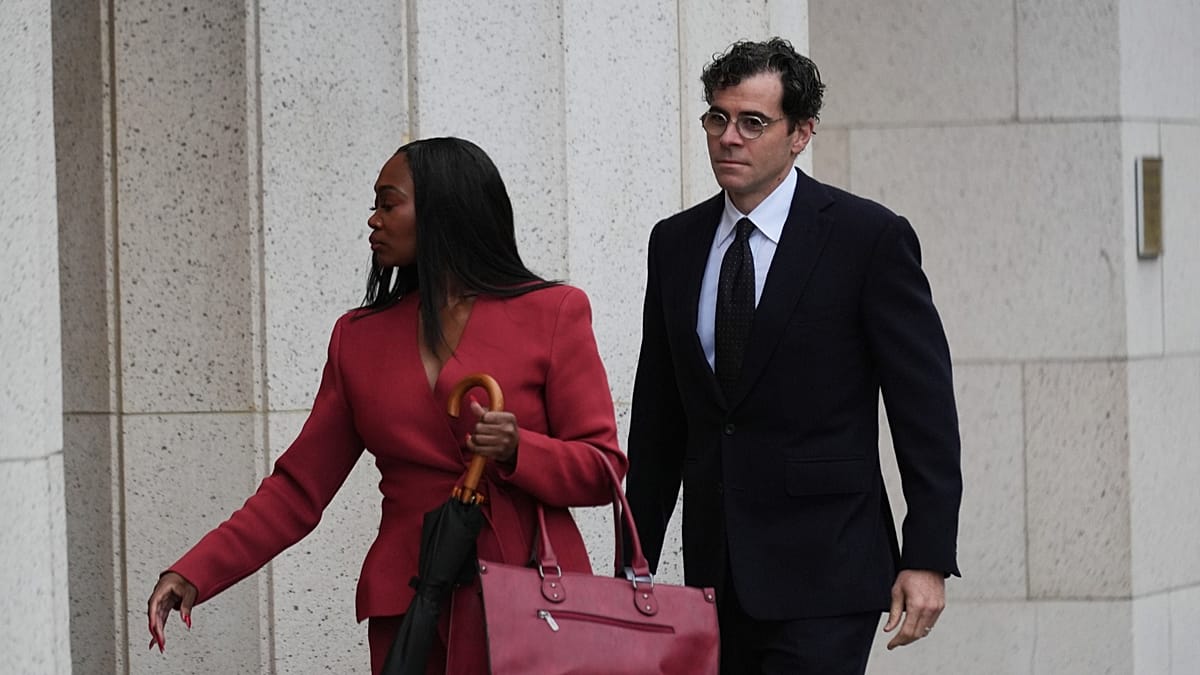
Adam Mosseri, head of Instagram, had begun testifying on Tuesday, defending the company’s safety record. He pushed back on criticism that opt-in tools like Take a Break were ineffective, noting that “most teens didn’t want it” but that Instagram “decided to push forward with it anyway.” Internal documents shared in court suggested that Meta knew such features were not working as intended.
Mosseri acknowledged that some safety measures succeed while others do not, adding that there are “no silver bullets” when it comes to online safety. He pointed to ongoing improvements, including Quiet Mode, which silences notifications and sends automatic replies, and the default activation of Take a Break for teenage accounts since September 2024.
The case has drawn comparisons to the tobacco industry’s legal battles, with critics arguing that Big Tech has long downplayed the risks of its products. The settlement follows two other significant legal setbacks for Meta this year. In March, a Los Angeles jury found Meta and Google liable for contributing to a young woman’s severe mental health issues, awarding $6 million in damages. Meta was held responsible for 70% of that amount.
Separately, the state of New Mexico fined Meta $375 million (€321 million) in March for misleading parents and minors about platform safety, and another $567 million (€486 million) earlier this month for being a public nuisance.
While the settlement is a US legal matter, its implications extend to Europe, where regulators have been increasingly vigilant about online child safety. The European Union’s Digital Services Act already imposes strict obligations on platforms to protect minors, and this case may reinforce calls for similar measures across the continent. As European policymakers watch these developments, the pressure on tech giants to prioritise youth well-being is likely to intensify.