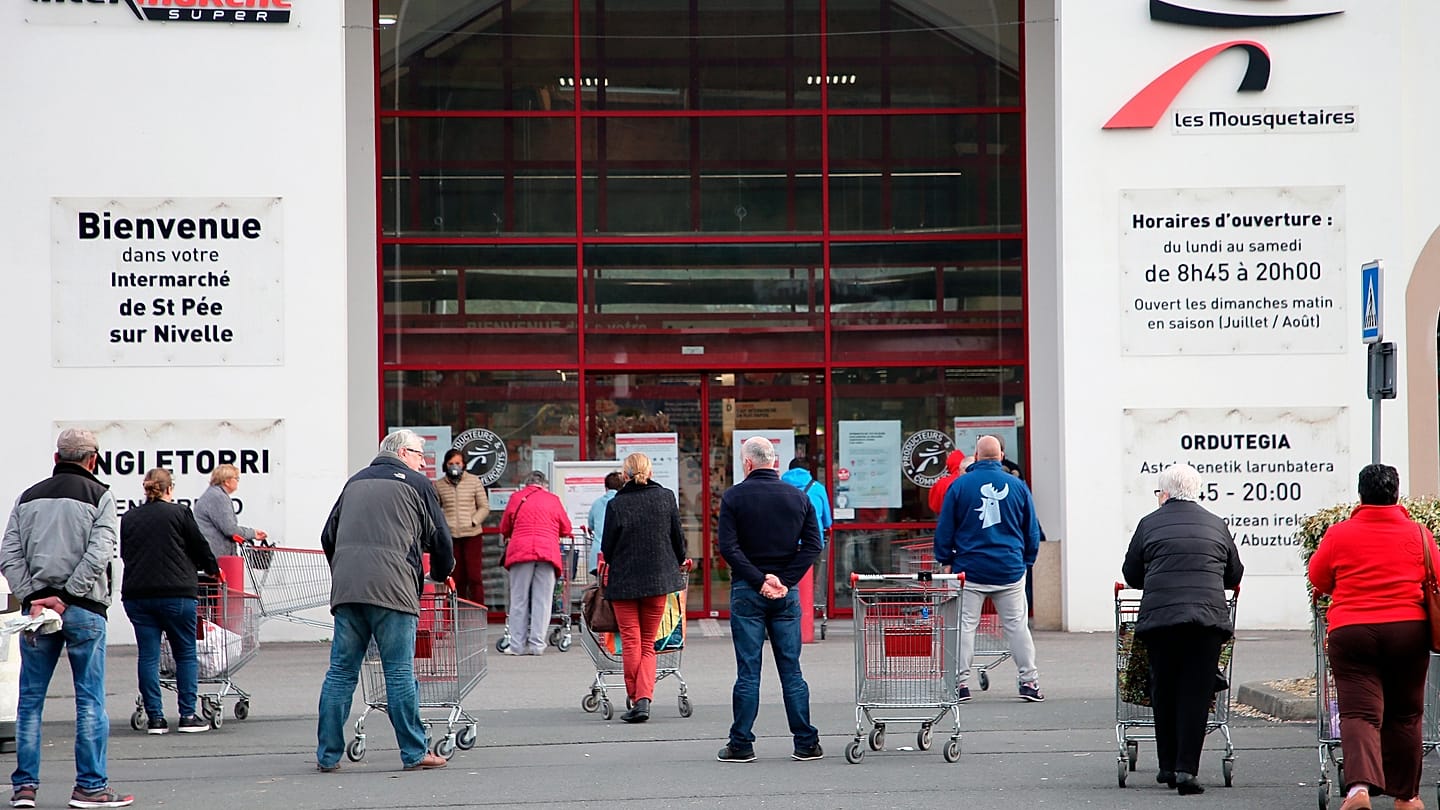
A coordinated cyberattack on refrigeration systems has disrupted supermarket operations across France, forcing retailers to throw away large quantities of fresh and frozen produce. The incident, which affected hundreds of outlets, has raised concerns about the vulnerability of critical infrastructure in the European food supply chain.
Intermarché, one of France's largest grocery chains, confirmed that several of its stores were forced to discard perishable goods after the attack compromised temperature controls. The company said it has not yet estimated the full financial impact, but the scale of the losses is expected to be significant.
The Paris prosecutor's office has opened an investigation into the cyberattack, which appears to have targeted the systems that keep refrigerators and freezers running. French authorities have not yet identified the perpetrators or their motives, but cybersecurity experts point to a growing trend of attacks on essential services across Europe.
Wider implications for European retailers
The attack on French supermarkets is not an isolated event. Across the continent, retailers and food distributors have become increasingly reliant on interconnected digital systems to manage cold chains, from farm to fork. A breach in one link can have cascading effects, as seen in this incident where spoiled inventory had to be discarded.
In recent months, European businesses have faced a wave of cyber threats, from ransomware attacks on logistics firms to data breaches at major corporations. The European Union has been pushing for stronger cybersecurity measures, including the NIS2 directive, which aims to harmonize resilience standards across member states. However, implementation has been uneven, and smaller operators often lack the resources to defend against sophisticated attacks.
French authorities are urging retailers to review their security protocols, while industry groups are calling for more coordinated information sharing. The incident also comes at a time when French farmers have been protesting EU trade policies, including the Mercosur trade deal, which they argue could further destabilize local food markets.
Investigations and response
The Paris prosecutor's cybercrime unit is leading the investigation, working with national cybersecurity agency ANSSI. Early reports suggest the attack may have exploited vulnerabilities in remote management software used by refrigeration contractors, though this has not been officially confirmed.
Intermarché said it is cooperating with authorities and has deployed technical teams to restore normal operations. The company also noted that no customer data appeared to be compromised, focusing the impact on physical supply chains rather than personal information.
This attack highlights the broader challenge of securing Europe's digital infrastructure, especially as the continent pushes for greater automation and connectivity in industries like retail and logistics. The European Commission has proposed additional measures to protect critical entities, but experts argue that more needs to be done at the national level.
For consumers, the immediate effect is likely to be temporary shortages of certain fresh items in affected stores. However, the longer-term concern is the resilience of the food supply chain. As one analyst put it, "This is a wake-up call for the entire sector."
The incident also comes amid other cybersecurity-related news in France, including delays in the left-wing primary due to a separate cyberattack, and ongoing debates about digital sovereignty. While the supermarket attack appears to be criminal rather than political, it underscores the need for robust defenses across all sectors.
As the investigation unfolds, European retailers will be watching closely. The hope is that lessons learned from this incident will lead to stronger protections, not just in France but across the continent.