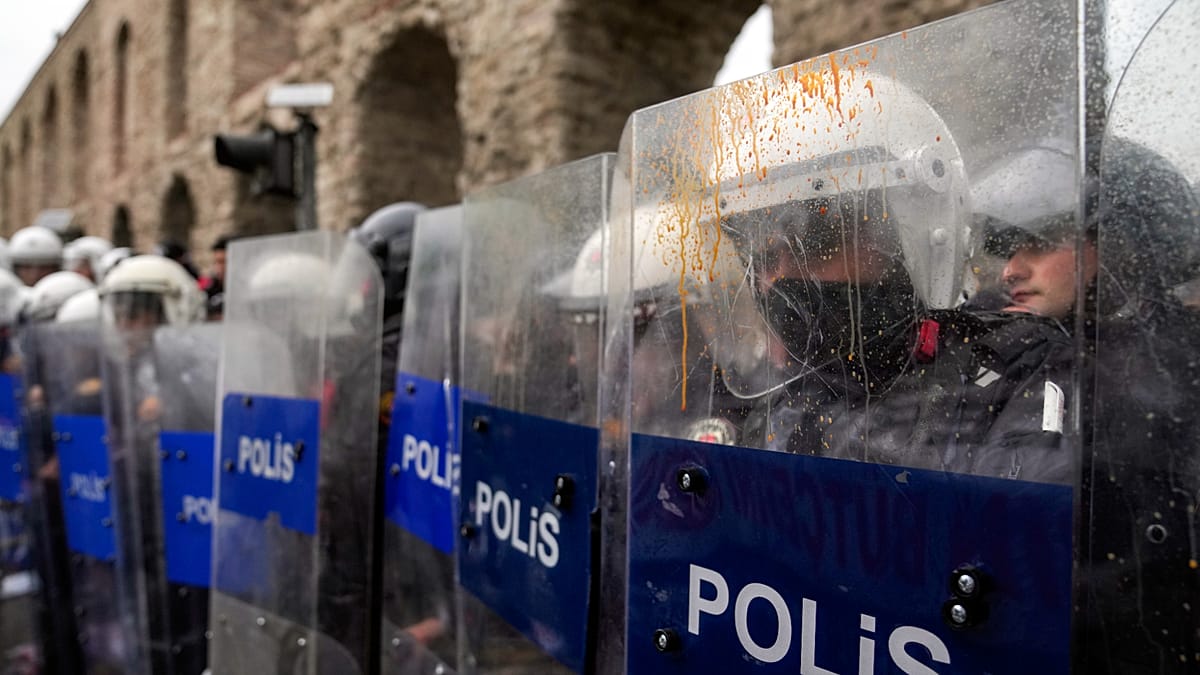
In Ankara, a hunger strike by miners protesting unpaid wages and alleged rights violations has entered its second week as of April 27. The workers, employed at private mines across Turkey, have been demanding payment for months of back wages and an end to what they describe as systematic abuses by employers.
Background of the Protest
The strike began in early April when a group of miners gathered outside the Turkish Parliament in Ankara, refusing food until their demands were met. The protesters represent a broader discontent in Turkey's mining industry, where workers often face precarious conditions, low pay, and limited legal protections. The hunger strike has drawn attention to the plight of miners in regions like Zonguldak and Soma, where fatal accidents have historically highlighted safety failures.
According to local unions, the miners have not received salaries for up to six months, forcing many into debt. The protestors accuse mine owners of exploiting legal loopholes to avoid payment, while the government has been slow to intervene. Similar labor disputes have occurred in other sectors across Turkey, but the hunger strike's duration and location in the capital amplify its symbolic weight.
Broader European Context
Turkey, as a candidate country for European Union membership, has faced repeated criticism from Brussels over labor rights and freedom of association. The European Commission's annual reports have highlighted deficiencies in Turkish labor law enforcement, particularly in mining and construction. This hunger strike could reignite debates about Turkey's alignment with EU standards, especially as the bloc pushes for stronger social protections in its neighborhood.
While the strike is a domestic issue, it resonates with labor movements across Europe. In recent years, similar protests have occurred in countries like France, where prison guards struck over overcrowding, and in the Balkans, where miners have demanded better conditions. The Turkish case, however, is distinct due to the government's central role in mediating disputes and the broader political context of President Recep Tayyip Erdoğan's administration.
Reactions and Solidarity
International labor organizations, including the International Labour Organization (ILO), have called for a resolution. The Confederation of Turkish Trade Unions (Türk-İş) has expressed solidarity, urging the government to enforce wage payment laws. On social media, the hashtag #MadencilerinSesi (Voice of Miners) has trended, with activists drawing parallels to the 2014 Soma mining disaster that killed 301 people.
However, the government has yet to make a public statement. Critics argue that Ankara's silence reflects a broader pattern of ignoring labor grievances, especially in sectors dominated by small-scale private enterprises. The strike also comes amid rising inflation in Turkey, which has eroded purchasing power and heightened tensions over wages.
What Next?
As the hunger strike continues, health concerns mount. Medics have warned that prolonged fasting could lead to serious complications, especially for older miners. The protestors have vowed to continue until their demands are met, but without government intervention, the standoff may escalate. Some analysts suggest that the strike could spread to other industries if unresolved, potentially destabilizing Turkey's already fragile labor market.
For European observers, the situation serves as a reminder of the challenges in Turkey's EU accession process. While the bloc has focused on democratic backsliding and rule of law, labor rights remain a persistent issue. The miners' strike may prompt renewed scrutiny from Brussels, particularly if it leads to broader unrest.